10 Basic Steps to Treat Cabbage Worms
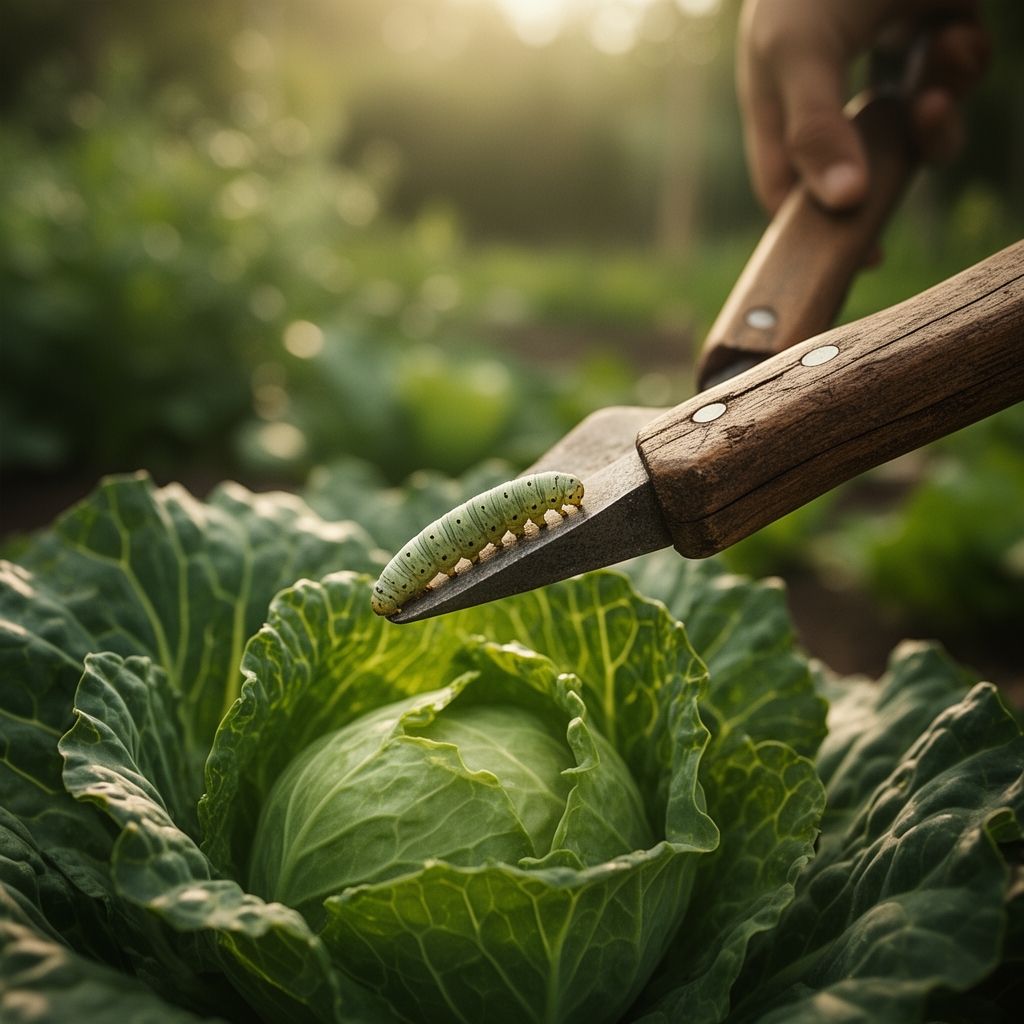
Cabbage worms chew through brassica leaves with surgical precision, leaving behind lace-like foliage and dark frass pellets that signal an active infestation. These larvae of imported cabbageworm butterflies and cabbage loopers cause significant damage to cole crops during their two to three-week feeding cycle. Implementing targeted steps to treat cabbage worms requires understanding their life cycle and deploying both cultural and biological controls before resorting to chemical intervention. The goal is complete eradication while preserving beneficial insect populations and soil microbiology.
Materials
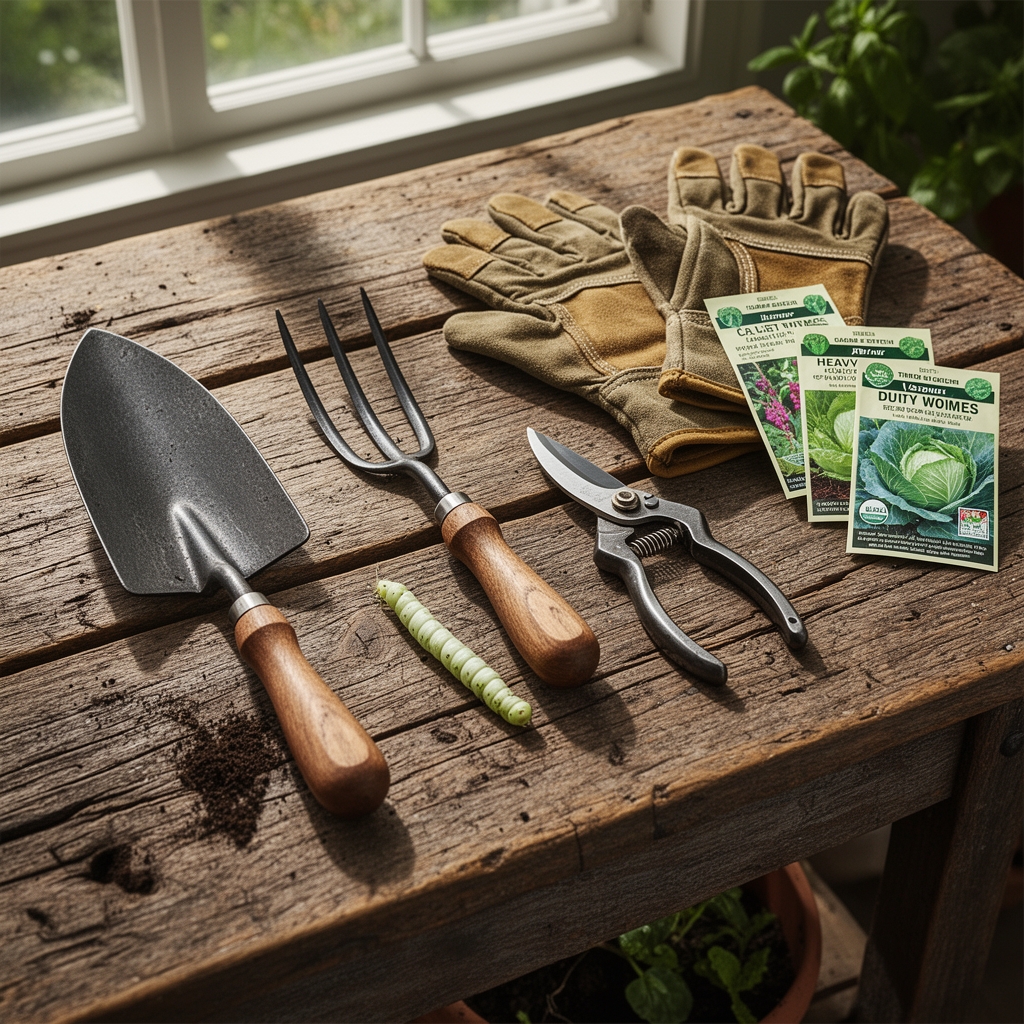
Bacillus thuringiensis var. kurstaki (Btk): This bacterial insecticide targets lepidopteran larvae exclusively. Apply at 1 tablespoon per gallon of water. The pH-neutral solution does not alter soil chemistry.
Spinosad: Derived from Saccharopolyspora spinosa bacteria. Mix at 4 tablespoons per gallon. This organic option requires a 24-hour withholding period before harvest.
Neem oil: Cold-pressed neem at 2 tablespoons per gallon acts as both feeding deterrent and insect growth regulator. Adjust soil pH to 6.0-6.8 for optimal brassica nutrient uptake during treatment period.
Row cover fabric: 0.55-ounce floating row cover excludes adult butterflies. Secure edges with soil or landscape staples.
Diatomaceous earth: Food-grade silica powder with sharp microscopic edges. Apply 2 tablespoons per plant after dew dries.
Balanced organic fertilizer (5-5-5 NPK): Maintain plant vigor during pest pressure. Apply 1/4 cup per square foot monthly. The balanced NPK ratio supports leaf regeneration without excessive nitrogen that attracts additional pests.
Timing
In Zones 3-6, begin monitoring for cabbage worms two weeks after the last spring frost when white butterflies first appear. This typically occurs when soil temperatures reach 50°F at 2-inch depth. Spring plantings of broccoli, cabbage, and kale face peak pressure from May through June.
In Zones 7-9, fall crops experience the heaviest infestations. Begin inspections in late August when temperatures drop below 85°F and second-generation butterflies emerge. The cooling trend triggers increased egg-laying activity on fall brassicas.
Zone 10-11 gardeners face year-round pressure. Implement preventive measures at transplant time for every brassica succession. Monitor plants every three days throughout the growing season.
Phases

Step 1: Manual Inspection: Check leaf undersides at dawn when caterpillars feed most actively. Look for tiny yellow eggs clustered near leaf veins. Remove eggs by crushing them between fingers or stripping affected leaf sections.
Step 2: Handpicking: Remove visible larvae during daily inspections. Drop worms into soapy water (1 tablespoon dish soap per quart). This method works best for small plantings under 20 plants.
Step 3: Row Cover Installation: Place fabric barriers immediately after transplanting. Seal all edges to prevent butterfly access. Remove covers only during manual inspections or when daytime temperatures exceed 80°F for more than three consecutive days.
Pro-Tip: Install covers at a 6-inch height above plant canopy using wire hoops. This creates airflow while maintaining complete pest exclusion.
Step 4: Btk Application: Spray Bacillus thuringiensis solution on all leaf surfaces at first sign of feeding damage. Apply in early evening when larvae emerge to feed. Reapply every 5-7 days or immediately after rain events exceeding 0.5 inches.
Step 5: Companion Planting: Interplant brassicas with aromatic herbs. Position thyme, oregano, or sage at 12-inch intervals between cabbage plants. Volatile compounds confuse host-plant location for adult butterflies.
Pro-Tip: Plant nasturtiums as trap crops 3 feet upwind from main brassica beds. The high glucosinolate content attracts egg-laying females away from crop plants.
Step 6: Beneficial Insect Release: Introduce Trichogramma wasps at 5,000 eggs per 5,000 square feet. These parasitoids attack cabbage worm eggs before larvae hatch. Release weekly for three consecutive weeks when butterfly activity is observed.
Step 7: Spinosad Treatment: Apply this fermentation-derived insecticide when populations exceed 2 larvae per plant despite Btk applications. Spray at dusk to protect pollinators. The compound degrades in sunlight within 24-48 hours.
Step 8: Neem Oil Spray: Use as systemic treatment every 14 days. The azadirachtin compound disrupts molting hormones. Spray entire plant including growing points where new larvae congregate.
Step 9: Diatomaceous Earth Dusting: Apply powder to leaf surfaces after morning dew evaporates. Reapply after each rain. The abrasive particles damage larval cuticles causing dehydration.
Pro-Tip: Mix diatomaceous earth with kaolin clay at 1:1 ratio. This creates a more adhesive barrier that persists through light irrigation.
Step 10: Post-Harvest Sanitation: Remove all brassica plant debris within 24 hours of final harvest. Chop stems into 2-inch pieces and hot-compost at 140°F minimum to kill pupae. Till soil to 6-inch depth to expose overwintering pupae to predators and freezing temperatures.
Troubleshooting
Symptom: Small irregular holes in leaves but no visible larvae.
Solution: Cabbage loopers feed nocturnally. Inspect plants after dark with flashlight. These larvae are pale green with white stripes and move in characteristic looping motion.
Symptom: Btk applications show no reduction in feeding damage after one week.
Solution: Larvae may have reached fourth or fifth instar when Btk effectiveness decreases. Switch to spinosad immediately. Ensure spray coverage reaches leaf undersides where older larvae hide.
Symptom: Yellow stippling on leaves with webbing present.
Solution: This indicates spider mite secondary infestation, not cabbage worms. Mites proliferate when beneficial predators are eliminated by broad-spectrum treatments. Apply insecticidal soap at 5 tablespoons per gallon every 3 days for 2 weeks.
Symptom: Wilting despite adequate moisture and no visible root damage.
Solution: Check for cabbage root maggot damage below soil line. This co-occurring pest attacks stressed plants. Apply beneficial nematodes (Steinernema feltiae) at 5 million per 1,600 square feet to soil drench.
Symptom: New damage appears after successful treatment cessation.
Solution: Second generation butterflies emerged from pupae in surrounding areas. Reinstate monitoring schedule and row covers immediately. Adult butterflies live 2-3 weeks and lay up to 300 eggs each.
Maintenance
Water brassicas with 1 inch per week delivered through drip irrigation at soil level. Overhead watering washes off Btk applications and encourages foliar disease. Apply water in early morning to allow leaf surfaces to dry before evening.
Side-dress plants with 1/4 cup of 5-5-5 organic fertilizer per plant every 4 weeks. Rake into top 2 inches of soil and water thoroughly. This steady nutrient supply maintains auxin distribution for rapid leaf replacement after caterpillar damage.
Maintain soil pH between 6.0-6.8 using dolomitic limestone. Test monthly during active growing season. Adequate calcium from lime improves cell wall integrity, making leaves more resistant to chewing damage.
Apply 2-inch layer of straw mulch around plant base. Keep mulch 3 inches away from stems to prevent moisture accumulation. Mulch suppresses weed competition and maintains consistent soil moisture that supports mycorrhizal fungi colonization. Enhanced cation exchange capacity from fungal networks improves nutrient availability during recovery from pest damage.
Remove yellowing lower leaves weekly. These senescing tissues attract egg-laying butterflies and harbor early-instar larvae. Compost only disease-free foliage in active piles maintaining 140°F.
FAQ
How quickly do cabbage worms cause serious damage?
A single larva consumes 40-50 square inches of leaf tissue during its 2-3 week development. In optimal conditions (70-80°F), populations can defoliate small plants within 5-7 days. Begin treatment at first sign of feeding holes.
Can I use Btk on all brassica crops?
Yes. Bacillus thuringiensis var. kurstaki is approved for organic production and safe for broccoli, cauliflower, kale, collards, and cabbage. Apply up to day of harvest. The bacteria require alkaline gut pH found only in lepidopteran larvae.
Why do cabbage worms return after treatment?
Adult butterflies continuously migrate into gardens throughout the growing season. Row covers provide the only permanent exclusion. Reapply biological controls every 5-7 days during peak butterfly activity from spring through first fall frost.
Do cabbage worms affect harvest quality?
Larvae bore into developing heads of cabbage and broccoli, leaving frass that promotes bacterial soft rot. Even light infestations reduce marketability. In cauliflower, feeding damage on curds causes permanent brown scarring that cannot be trimmed away.
Are natural predators effective for control?
Paper wasps, yellow jackets, and ground beetles consume significant numbers of larvae. Preserve these populations by avoiding broad-spectrum insecticides. Plant 10% of garden space with nectar-rich flowers like alyssum and buckwheat to maintain predator populations throughout the season.