10 Pro Tips How to Start an Aquaponic Fish Tank
The sharp scent of ammonia signifies a system in flux; the goal is the earthy, neutral aroma of a balanced rhizosphere. Success in this closed-loop environment depends on the turgor pressure of the foliage, which indicates the hydraulic efficiency between the fish tank and the grow bed. To learn how to start an aquaponic fish tank, one must master the nitrogen cycle. This process converts toxic fish waste into bioavailable nitrates through bacterial action. You are not just keeping fish; you are managing a living chemical reactor where water chemistry dictates the health of both fauna and flora. Precision in the initial setup prevents the systemic collapse of the nitrifying bacteria colonies.
Materials:
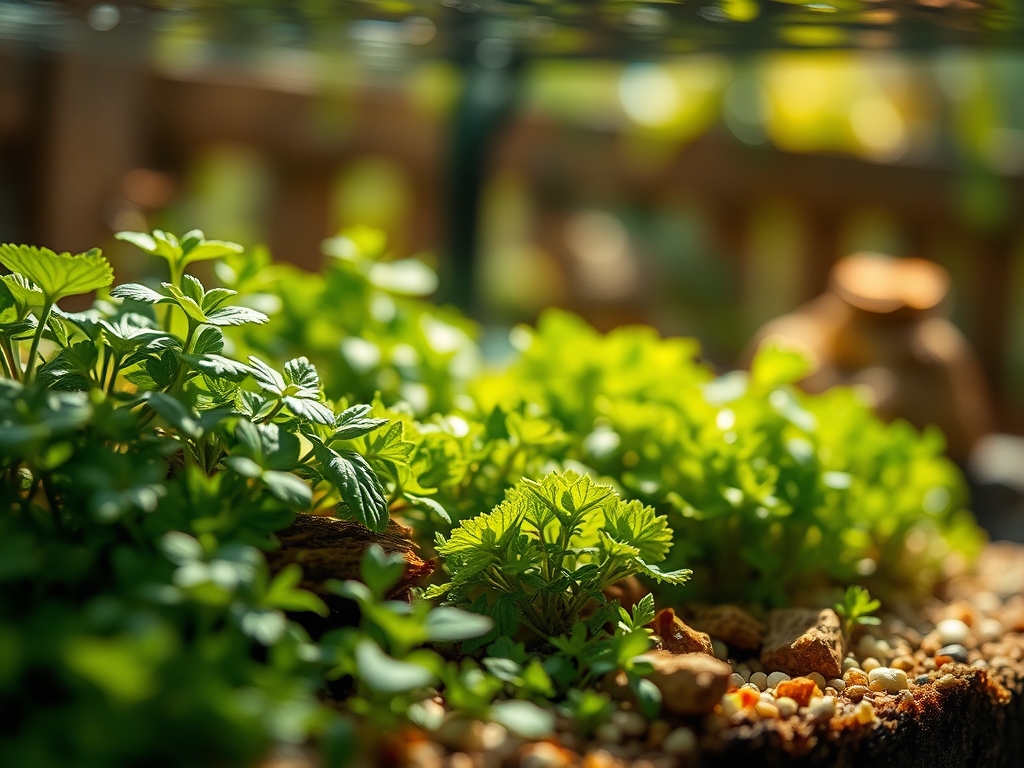
The substrate in the grow bed serves as the mechanical filter and the biological housing for microbes. Use expanded clay pebbles or shale with a neutral **pH of 7.0**. Avoid limestone or crushed shells that leach carbonates and spike alkalinity. The ideal substrate must be physically stable and porous to maximize surface area for bacterial colonization. While traditional soil uses Cation Exchange Capacity (CEC) to hold nutrients, aquaponics relies on the constant flow of nutrient-rich water. The NPK ratio of the resulting effluent typically hovers around **5-1-3**, though this fluctuates based on fish density and feed protein content. You will need a high-quality fish feed with at least **35 percent protein** to ensure adequate nitrogen levels for leafy greens.
Timing:
Aquaponics allows for year-round production regardless of Hardiness Zones if the system is housed in a climate-controlled environment. However, if using natural light, you must account for the photoperiod. Most fruiting crops require 12 to 14 hours of light to transition from the vegetative stage to the reproductive stage. The biological clock of the system starts with "cycling," a process that takes 4 to 6 weeks at water temperatures between 75 and 82 degrees Fahrenheit. Do not introduce a full load of fish until the ammonia and nitrite levels have spiked and then dropped to near zero, signaling that the Nitrosomonas and Nitrobacter bacteria are established.
Phases:
Sowing and Germination
Start seeds in inert rockwool cubes or coco coir plugs. Maintain a temperature of 70 degrees Fahrenheit to ensure rapid germination. Once the first true leaves appear, the seedlings are ready for the system.
Pro-Tip: Keep the substrate moist but not saturated to prevent "damping off." This occurs when fungal pathogens thrive in anaerobic conditions, attacking the stem at the soil line and cutting off the plant's vascular system.
Transplanting
Transfer the seedlings into the clay pebbles once the roots emerge from the bottom of the starter plug. Position them so the base of the stem is just above the high-water mark of the ebb-and-flow cycle.
Pro-Tip: Practice apical dominance management. By pinching off the terminal bud of certain herbs, you suppress auxin flow down the stem, which encourages lateral branching and a higher yield per square foot.
Establishing the System
Monitor the fish behavior and plant color daily. The first three months are the most volatile as the biofilter matures. Maintain a dissolved oxygen (DO) level of at least 5.0 mg/L to support both root respiration and fish metabolism.
Pro-Tip: Use a soil moisture meter or a water test kit to verify that the water is cycling through the media every 15 to 20 minutes. This ensures the roots do not experience hypoxia, which leads to root rot and nutrient lockout.
The Clinic:
Physiological disorders in aquaponics often stem from water chemistry imbalances rather than pathogens.
- Symptom: Interveinal chlorosis (yellowing) on new growth.
Solution: This indicates an Iron (Fe) deficiency. Because aquaponic water is often slightly alkaline, iron becomes insoluble. Add chelated iron (Fe-EDDHA) to maintain a concentration of 2.0 mg/L. - Symptom: Tip burn on lettuce or blossom end rot on tomatoes.
Solution: This is a Calcium (Ca) deficiency. Even if calcium is present, low transpiration rates can prevent it from reaching the plant tips. Increase airflow with fans to boost transpiration and nutrient uptake. - Symptom: Purple tinting on the underside of leaves.
Solution: This is a Phosphorus (P) deficiency. Check the water temperature; if it drops below 60 degrees Fahrenheit, phosphorus uptake slows significantly. Supplement with small amounts of rock phosphate or adjust the heater.
Fix-It: For general Nitrogen chlorosis (yellowing of older leaves), increase the fish feeding frequency by 10 percent or add more fish to the tank to increase the nitrate output.
Maintenance:
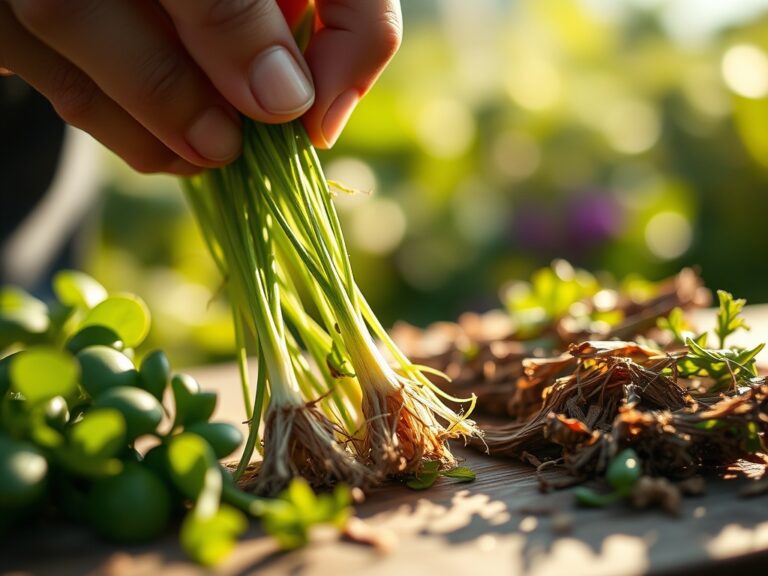
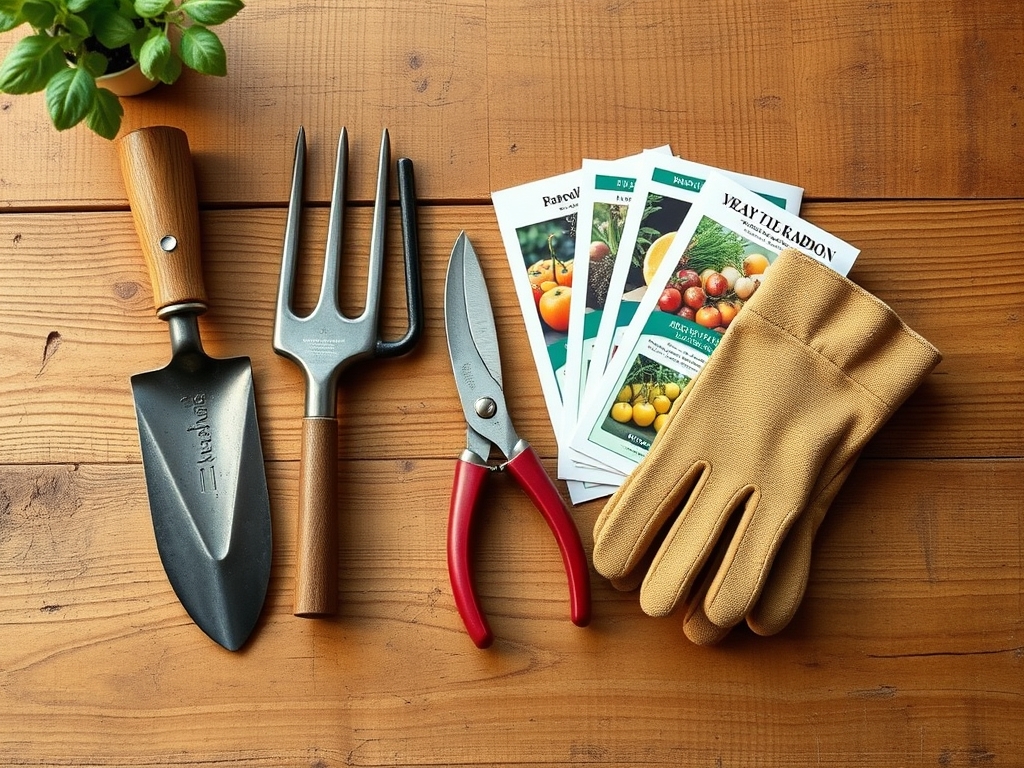
Precision is the hallmark of a professional system. Use a digital pH pen to check levels daily; the target range for a mixed system is 6.4 to 6.8. Use a hori-hori knife to prune dead roots from the grow bed to prevent "clogging" and anaerobic pockets. Prune excess foliage with bypass pruners to ensure light reaches the lower canopy. Water loss through evaporation and transpiration should be replaced with dechlorinated water. Expect to add approximately 1 to 2 percent of the total system volume daily. Check the mechanical pre-filter every 48 hours to remove solid waste before it enters the grow bed, as excessive solids will coat the roots and prevent nutrient absorption.
The Yield:
Harvesting in an aquaponic system requires clean technique to prevent contamination. For leafy greens, harvest the entire head once it reaches the desired diameter, typically 30 to 45 days after transplanting. Use a sharp blade to cut the base of the plant, leaving the root mass in the media if you intend to let it decompose or removing it to prevent oxygen depletion. For fruiting crops like peppers, harvest when the fruit reaches full color. Post-harvest, immediately submerge the base of the greens in 40-degree Fahrenheit water to maintain turgidity. This rapid cooling halts the process of senescence and preserves the crispness of the cell walls for "day-one" freshness.
FAQ:
What is the best fish for a beginner aquaponic system?
Tilapia are the industry standard due to their high tolerance for fluctuating water quality and rapid growth rates. They thrive in temperatures between 72 and 84 degrees Fahrenheit and are resistant to common aquatic diseases.
How many fish do I need per gallon of water?
A conservative ratio for beginners is one pound of fish for every 5 to 10 gallons of water. This ensures the biofilter can process the ammonia without overwhelming the plants or risking fish mortality from oxygen depletion.
Why is my water turning green?
Green water is caused by an algae bloom fueled by excess nitrates and sunlight. Shade the fish tank and grow beds to block UV light. Algae compete with plants for nutrients and can crash the oxygen levels at night.
Do I need to add fertilizer to an aquaponic tank?
Most nutrients come from fish waste, but certain micronutrients like Iron, Potassium, and Calcium often need supplementation. Use "aquaponic-safe" supplements to avoid harming the fish or disrupting the delicate bacterial colonies in the biofilter.