10 Pro Tips How to Start Indoor Plant Propagation
The scent of rooting hormone on damp perlite marks the beginning of something repeatable and precise. Learning how to start indoor plant propagation transforms a single pothos or philodendron into dozens of specimens, each with the genetic blueprint of its parent. The process demands clean tools, controlled humidity, and an understanding of when stem cells differentiate into root primordia. Mastering how to start indoor plant propagation means recognizing that every cutting is a biological experiment in auxin distribution and carbohydrate reserves.
Materials
Select a propagation medium with a pH between 5.5 and 6.5 for most tropical houseplants. A blend of 50% perlite and 50% peat moss provides adequate aeration and moisture retention without waterlogging. For cacti and succulents, shift to 70% coarse sand and 30% coco coir to prevent rot. Rooting hormone in powder form, containing 0.1% to 0.3% indole-3-butyric acid (IBA), accelerates root initiation in semi-hardwood cuttings.
Fertilizer should remain minimal during rooting. A diluted 2-1-2 NPK solution at one-quarter strength, applied weekly after roots emerge, supports new growth without burning tender tissues. Organic options like fish emulsion at 5-1-1 or kelp extract provide trace minerals and cytokinins that enhance cell division. Avoid high-nitrogen formulas above 10-5-5 until plants establish in their final containers.
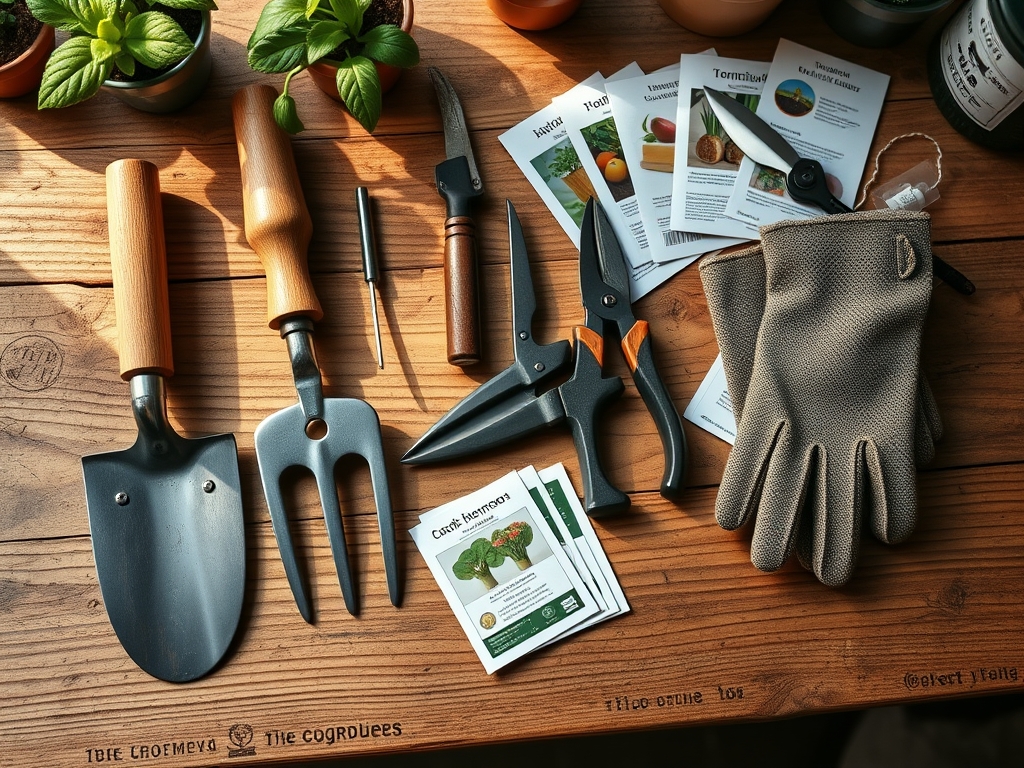
Sterilize pruning shears with a 10% bleach solution between cuts to prevent transmission of bacterial wilt or fungal pathogens. Use clear plastic containers or humidity domes to maintain 70% to 80% relative humidity around cuttings. A heat mat set to 72°F to 75°F warms the rooting zone and accelerates metabolic activity in stem tissues.
Timing
Indoor propagation sidesteps outdoor hardiness zones, but seasonal light cycles still influence success rates. Begin propagation in late spring or early summer when daylight extends beyond 14 hours. Longer photoperiods increase photosynthetic output, providing cuttings with the carbohydrates needed to form adventitious roots.
Avoid propagation during winter months unless supplemental grow lights deliver at least 200 foot-candles for 14 to 16 hours daily. Many tropical species enter semi-dormancy when daylight drops below 12 hours, slowing cambium activity and reducing rooting percentages. If propagating in autumn, expect rooting times to double compared to spring starts.
For gardeners coordinating indoor propagation with outdoor transplant schedules, calculate backward from the last frost date in your USDA zone. Start cuttings 8 to 10 weeks before the frost-free date to allow roots to develop and plants to harden off under indoor conditions before moving outside.
Phases

Sowing and Cutting
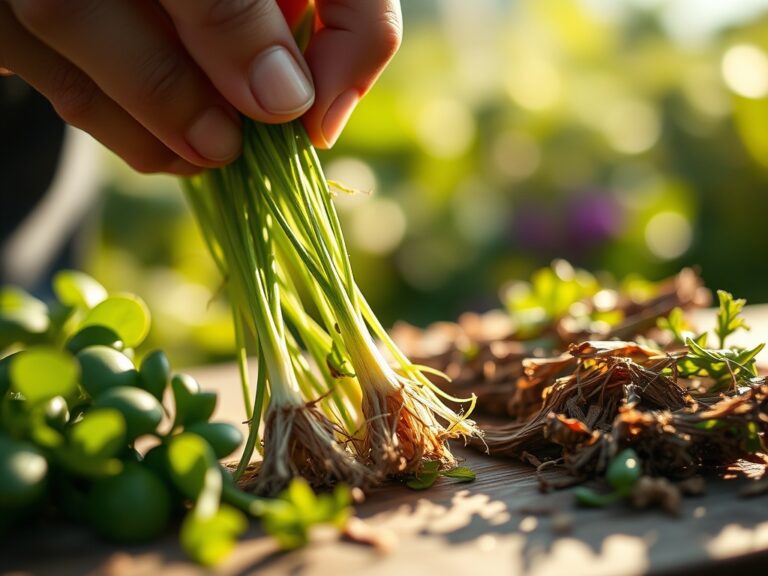
Select stem sections 4 to 6 inches long with at least two nodes. Make cuts at a 45-degree angle just below a node, where auxin concentrations are highest. Remove lower leaves to prevent contact with the rooting medium, which can trigger bacterial rot. Dip the cut end in rooting hormone, tapping off excess powder to avoid phytotoxicity.
Insert cuttings 1 to 2 inches deep into pre-moistened medium. Firm the substrate around the stem to eliminate air pockets that desiccate emerging root hairs. Space cuttings 2 inches apart to allow airflow and reduce fungal pressure.
Pro-Tip: Wound the lower inch of woody or semi-hardwood cuttings with a sterile blade to expose cambium tissue. This increases the surface area for root initiation and can improve rooting rates by 30% to 40%.
Transplanting
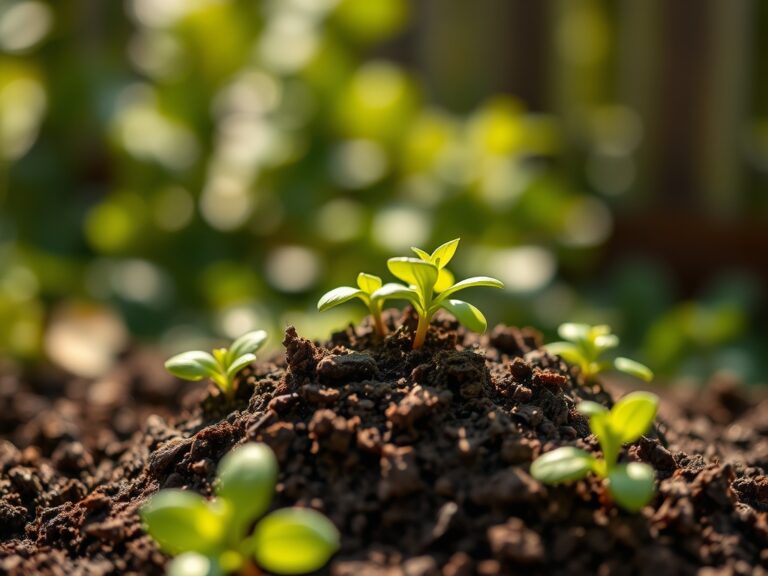
Roots become visible through container walls or emerge from drainage holes after 3 to 6 weeks. Transplant when the root system measures 1 to 2 inches long. Longer roots tangle and break during transplanting, stressing the plant.
Prepare 4-inch pots with a standard potting mix: 60% peat or coco coir, 30% perlite, and 10% compost. Avoid garden soil, which compacts in containers and restricts oxygen to roots. Water transplants with a starter solution of 1-2-1 NPK at half strength to ease transplant shock.
Pro-Tip: Inoculate the root zone with mycorrhizal fungi at transplanting. Apply granular inoculant directly to roots before backfilling. These fungi extend the root's effective surface area by 100 to 1,000 times, improving phosphorus uptake and drought tolerance.
Establishing
Acclimate new plants to lower humidity over 7 to 10 days by gradually opening vents on humidity domes. This hardens leaf cuticles and reduces transpiration stress. Place plants in bright, indirect light with intensities between 400 and 800 foot-candles.
Begin a regular fertilization schedule 4 weeks after transplanting. Apply a balanced 5-5-5 or 10-10-10 formula every 2 weeks during active growth. Monitor new leaves for deep green coloration and sturdy petioles, indicating adequate nitrogen and potassium.
Pro-Tip: Pinch the apical meristem once plants reach 6 inches in height. This redirects auxin to lateral buds, promoting bushier growth and increasing the number of future propagation sites.
Troubleshooting
Symptom: Black, mushy stem bases.
Solution: Stem rot caused by Pythium or Rhizoctonia fungi. Remove affected cuttings immediately. Reduce watering frequency and increase ventilation. Drench remaining cuttings with a fungicide containing thiophanate-methyl at labeled rates.
Symptom: Yellowing leaves with green veins.
Solution: Interveinal chlorosis indicates iron deficiency, often triggered by pH above 7.0. Test medium pH and adjust to 6.0 with sulfur or aluminum sulfate. Apply chelated iron as a foliar spray at 1 teaspoon per gallon.
Symptom: Wilting despite moist medium.
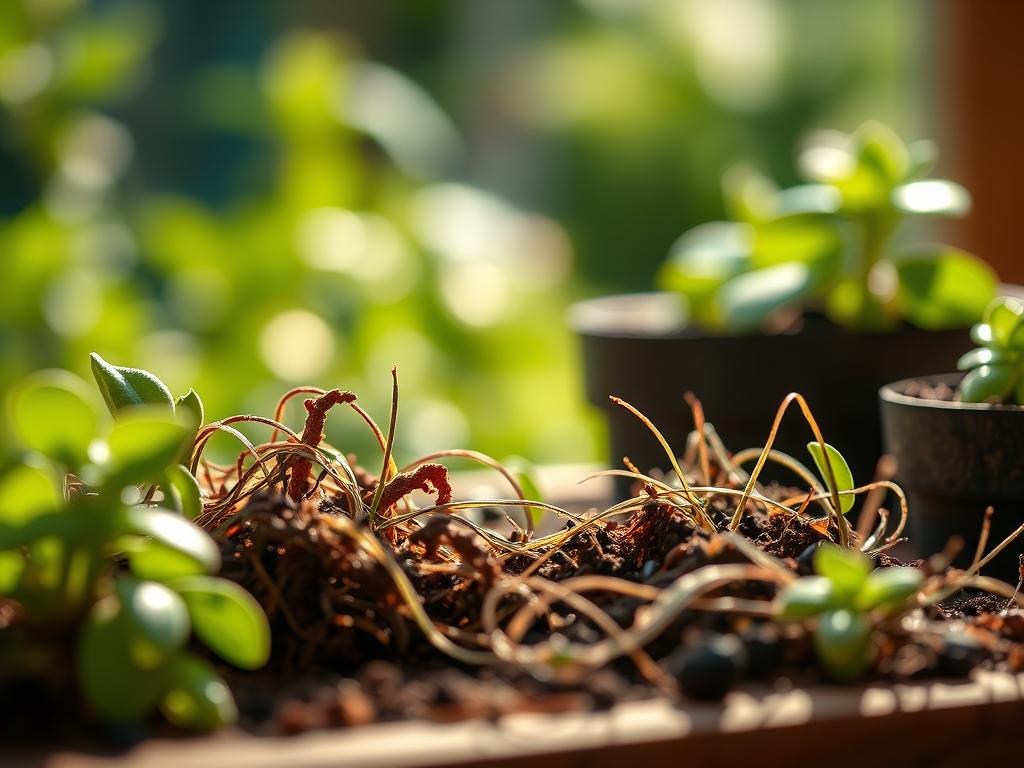
Solution: Root rot from overwatering or poor drainage. Check for brown, slimy roots. Unpot the plant, trim dead roots with sterile shears, and repot in fresh, well-draining medium. Water only when the top inch feels dry.
Symptom: White cottony masses on stems.
Solution: Mealybugs (Pseudococcidae family). Dab insects with a cotton swab soaked in 70% isopropyl alcohol. Spray plants with insecticidal soap or neem oil at 2 tablespoons per gallon, repeating every 7 days for 3 weeks.
Symptom: Slow or absent root formation after 6 weeks.
Solution: Insufficient auxin or low temperatures. Verify heat mat maintains 72°F to 75°F. Re-cut stems, apply fresh rooting hormone, and ensure cuttings receive 14 hours of light daily.
Maintenance
Water cuttings when the medium surface feels dry to the touch, typically every 3 to 4 days. Apply 2 to 3 ounces of water per 4-inch container, ensuring drainage holes release excess. Overwatering suffocates roots and promotes anaerobic bacteria.
Maintain humidity between 70% and 80% during the first 2 weeks. Mist cuttings twice daily if humidity domes are unavailable, or group containers to create a microclimate. As roots develop, reduce misting to once daily.
Fertilize established plants every 14 days with a complete fertilizer at 1 tablespoon per gallon for liquid concentrates. Flush containers monthly with plain water to prevent salt accumulation, which manifests as white crust on the medium surface.
Prune dead or yellowing leaves immediately to redirect resources to healthy tissues. Monitor for pests weekly, inspecting undersides of leaves and nodes where insects congregate.
FAQ
How long does indoor plant propagation take?
Most herbaceous cuttings root in 3 to 4 weeks under optimal conditions. Woody or succulent species may require 6 to 8 weeks. Temperature, humidity, and light intensity directly affect rooting speed.
Can I propagate plants in water instead of soil?
Yes, but water-rooted plants experience transplant shock when moved to soil. Roots grown in water develop fewer root hairs and adapt poorly to soil's higher oxygen demand. Transition water-rooted cuttings to a perlite-peat mix before final potting.
Do I need grow lights for propagation?
Natural light works if windows provide 6 to 8 hours of bright, indirect sun. South or west-facing windows are ideal. Grow lights become necessary in winter or low-light homes. Use full-spectrum LEDs with output between 2,000 and 4,000 lumens.
What temperature is best for rooting cuttings?
Maintain air temperature between 68°F and 72°F with root-zone temperatures at 72°F to 75°F. Bottom heat from heat mats accelerates rooting by 20% to 30%. Temperatures below 60°F slow cell division and increase fungal risk.
Which plants propagate easiest indoors?
Pothos (Epipremnum aureum), spider plants (Chlorophytum comosum), and philodendrons root readily in 2 to 3 weeks. Succulents like jade (Crassula ovata) and snake plants (Sansevieria trifasciata) tolerate neglect but root slowly over 6 to 8 weeks.