6 Basic Steps to Goldfish Plant Systems
Turgor pressure within the thick, waxy cuticle of a Columnea gloriosa leaf indicates a plant at its physiological peak. When you press the foliage between your thumb and forefinger, it should feel rigid and cool; a sign that the xylem is efficiently transporting moisture from the rhizosphere to the distal tips. Mastering the steps to goldfish plant systems requires a transition from casual observation to rigorous botanical management. You are not merely keeping a houseplant alive; you are managing a complex epiphytic system that demands precise atmospheric and substrate calibrations. These plants, native to the neotropical regions of Central and South America, thrive in high-humidity environments where the air is thick with moisture and the light is filtered through a dense canopy. Success depends on replicating these specific ecological niches within a controlled indoor environment. By focusing on the structural integrity of the root system and the chemical balance of the growing medium, you ensure the plant transitions successfully from vegetative growth to its characteristic orange-red zygomorphic flowering stage.
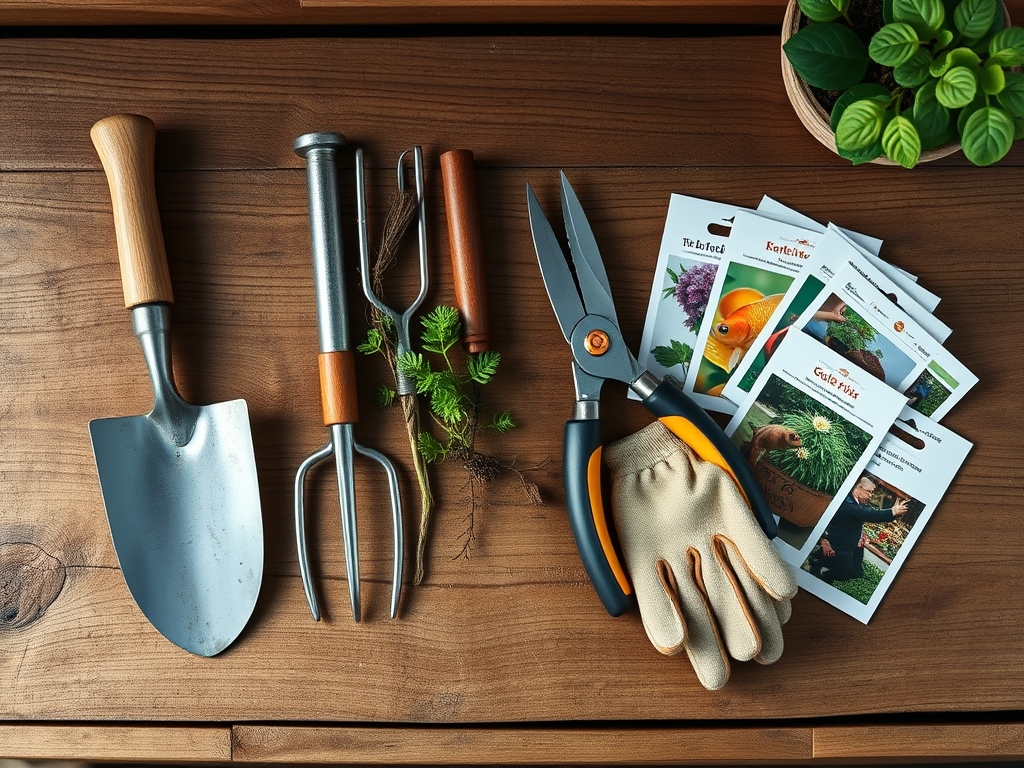
Materials:
The substrate must be a **friable loam** that mimics the organic debris found in tree crotches. Goldfish plants are epiphytic by nature, meaning their roots require high oxygen availability and low compaction. Aim for a soil pH between **5.5 and 6.5**. A standard potting mix is insufficient; you must engineer a medium consisting of **one part long-fiber sphagnum moss, one part perlite, and one part chopped fir bark**. This configuration ensures a high Cation Exchange Capacity (CEC) while maintaining rapid drainage.
Regarding nutrition, utilize a water-soluble fertilizer with an NPK ratio of 10-30-10 during the active growing season. The high phosphorus content is essential for stimulating the reproductive phase and ensuring the development of the "goldfish" shaped corolla. Avoid heavy nitrogen applications, as an NPK of 20-10-10 will result in excessive foliar elongation at the expense of floral density. Use a soil moisture meter to verify that the root zone remains hydrated but never anaerobic.
Timing:
Goldfish plants are typically indoor specimens in most climates, but they are hardy in USDA Zones 10b through 11. For those in temperate regions, the "Biological Clock" of the plant is dictated by light intensity and ambient temperature. The transition from the vegetative stage to the reproductive stage occurs when the plant experiences a slight drop in nighttime temperatures, ideally reaching 60 to 65 degrees Fahrenheit.
The primary growth window begins in early spring as the photoperiod extends beyond 12 hours. You should initiate propagation or repotting in late March or early April to capitalize on the surge of auxins that occurs during the spring equinox. Avoid any major structural disturbances after September, as the plant enters a period of slower metabolic activity where the risk of root rot increases due to decreased transpiration rates.
Phases:

Sowing and Propagation
While seeds are an option, most systems begin with 4-inch terminal stem cuttings. Select a healthy, non-flowering shoot and cut just below a node using sterilized bypass pruners. Remove the lower leaves to expose the nodes where undifferentiated cells will begin the process of adventitious root formation.
Pro-Tip: Dip the cut end in a rooting hormone containing Indole-3-butyric acid (IBA). This suppresses lateral bud growth and redirects energy to the base, accelerating the establishment of the rhizosphere through auxin-driven cell division.
Transplanting
Once the cuttings have developed a root mass of at least two inches, move them into a permanent hanging vessel. Use a container with a diameter no larger than 6 inches to start; goldfish plants prefer to be slightly "pot-bound." This constriction limits the volume of saturated soil, reducing the likelihood of Pythium or other fungal pathogens.
Pro-Tip: Ensure the new container has at least four drainage holes. Epiphytes are susceptible to osmotic shock if salts from fertilizers accumulate in the bottom of a poorly drained pot.
Establishing
During the first six weeks post-transplant, maintain a consistent ambient humidity of 50% to 60%. The plant is establishing its hydraulic system. Monitor for phototropism, where the stems lean excessively toward the light source. Rotate the vessel 90 degrees every week to ensure even distribution of photosynthetic energy across the entire canopy.
Pro-Tip: Do not mist the leaves directly. Instead, use a pebble tray or humidifier. Water droplets on the foliage can act as lenses, causing localized leaf scorch, or provide a breeding ground for Botrytis cinerea.
The Clinic:
Physiological disorders in goldfish plants are often the result of environmental stressors rather than pathogens.
- Symptom: Leaf Abscission (Sudden leaf drop).
- Solution: Check for temperature fluctuations. Exposure to drafts or air conditioning vents causes the plant to enter a defensive state, shedding leaves to conserve internal moisture. Maintain a steady 70 to 75 degrees Fahrenheit.
- Symptom: Interveinal Chlorosis (Yellowing between leaf veins).
- Solution: This indicates a Magnesium or Iron deficiency. Apply a chelated micronutrient spray or adjust the pH. If the pH is above 7.0, the plant cannot uptake these minerals regardless of their presence in the soil.
- Symptom: Leggy Stems (Increased internodal spacing).
- Solution: Increase light intensity. The plant is stretching to find a higher Photosynthetic Photon Flux Density (PPFD). Move the plant to a southern or western exposure with filtered light.
Fix-It: For Nitrogen chlorosis (general paling of older leaves), apply a half-strength 10-10-10 liquid fertilizer. Nitrogen is a mobile nutrient; the plant will pull it from older tissue to support new growth if the soil is depleted.
Maintenance:
Precision is the hallmark of a professional goldfish plant system. Supply 1.0 to 1.5 inches of water per week, ensuring the liquid reaches the entire root ball. Use a soil moisture meter to confirm the top inch of the medium is dry before re-watering. Over-saturation leads to a loss of root hair function, causing the plant to wilt even when the soil is wet.
Pruning is essential for maintaining a compact, floriferous habit. Use a hori-hori knife or sharp snips to pinch back the tips of the stems after the flowering cycle has concluded. This removes the apical dominance, forcing the plant to activate dormant lateral buds. This results in a bushier specimen with more potential flowering sites for the following season. Every two years, refresh the top two inches of substrate to counteract the natural breakdown of organic matter and the compaction of the fir bark.
The Yield:
The "yield" of a goldfish plant is measured by the duration and density of its floral display. To maximize the lifespan of the blooms, reduce the ambient temperature by 5 degrees once the buds begin to show color. This slows the plant's metabolism and delays senescence, the biological aging process of the flower.
When the flowers eventually fade, remove them immediately at the base of the pedicel. This prevents the plant from diverting energy into seed production, a process that is metabolically expensive. By deadheading, you signal the plant to remain in a vegetative or secondary flowering state rather than shifting into its final reproductive dormancy.
FAQ:
How much light do goldfish plants need?
Goldfish plants require 12 to 14 hours of bright, indirect light. Avoid direct midday sun, which exceeds the plant's light compensation point and causes cellular damage. A north or east-facing window provides the ideal PPFD levels for consistent growth.
Why is my goldfish plant not blooming?
Lack of blooms is usually due to insufficient light or improper NPK ratios. Ensure the plant receives high-phosphorus fertilizer and a "cool period" of 60 to 65 degrees Fahrenheit at night during the winter to trigger flower bud initiation.
What is the best way to water these plants?
Water when the top one inch of substrate feels dry. Use room-temperature water to avoid thermic shock to the roots. Ensure the water drains freely from the vessel to prevent root zone hypoxia and salt buildup in the rhizosphere.
How often should I repot my goldfish plant?
Repot every two to three years or when roots emerge from the drainage holes. Goldfish plants thrive when slightly pot-bound, so only increase the container size by one inch in diameter to maintain the proper soil-to-root ratio.