6 Simple Steps to Install a Bee Hotel
Crushed granite grit under your boots and the sharp scent of pine resin signify a functional workspace. Success in the garden depends on the turgor pressure within cellular walls; if a plant lacks internal hydraulic support, the entire system collapses. Providing habitat for solitary pollinators is a technical necessity for fruit set and seed production. Following the correct steps to install a bee hotel ensures these insects survive the winter to provide essential ecosystem services.
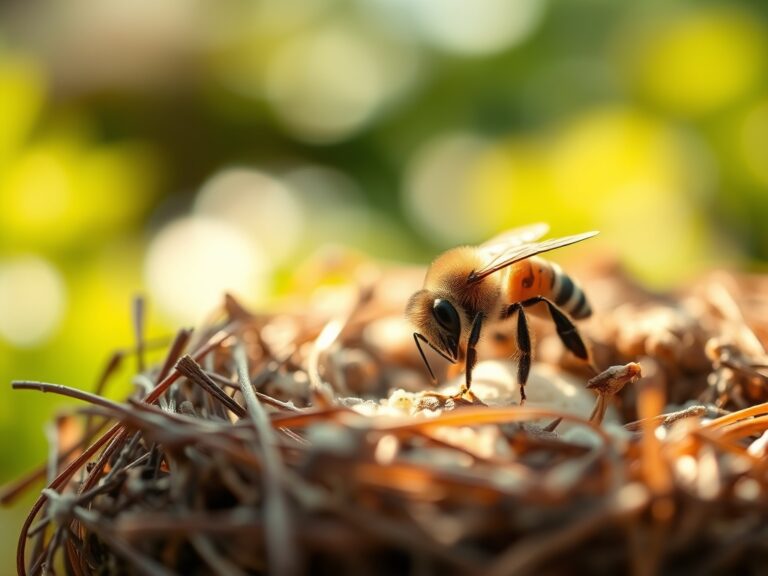
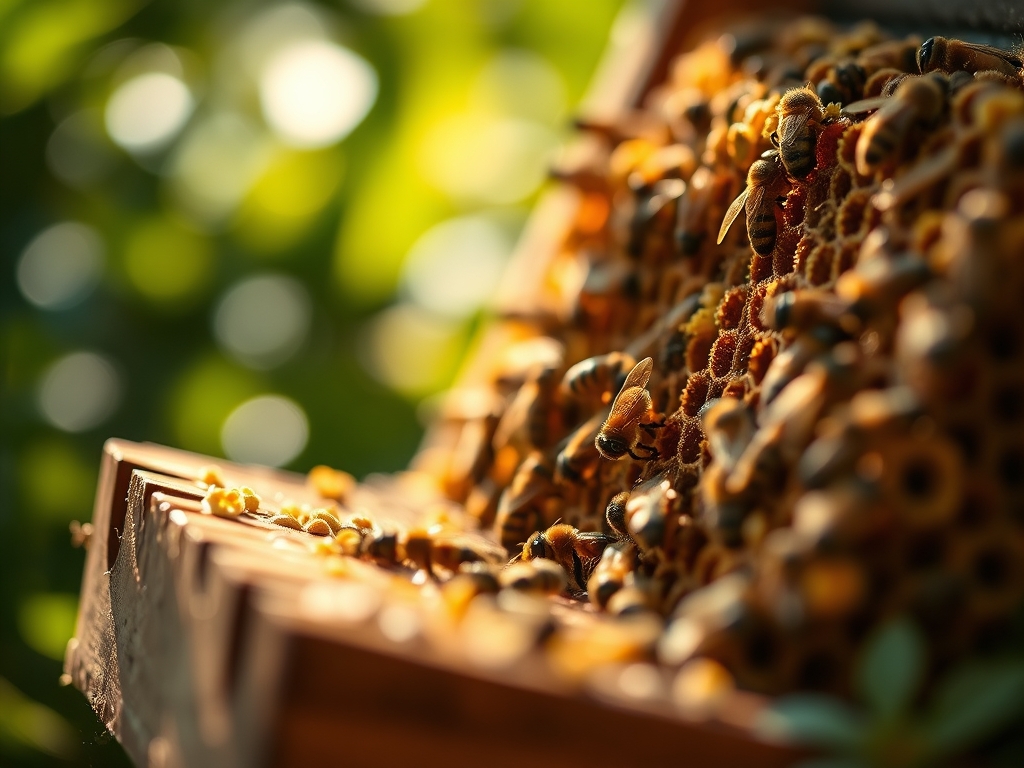
Solitary bees, such as the Osmia and Megachile genera, do not live in hives. They require specific cavities for egg deposition. Without these structures, pollination rates for pome fruits and legumes drop significantly. A well placed hotel acts as a biological infrastructure project. You must align the installation with the local phenology to ensure the structure is occupied during the peak foraging window. This requires a firm understanding of solar orientation, thermal mass, and local floral resources. Precision in placement determines whether the hotel becomes a productive nursery or a stagnant block of rotting timber.
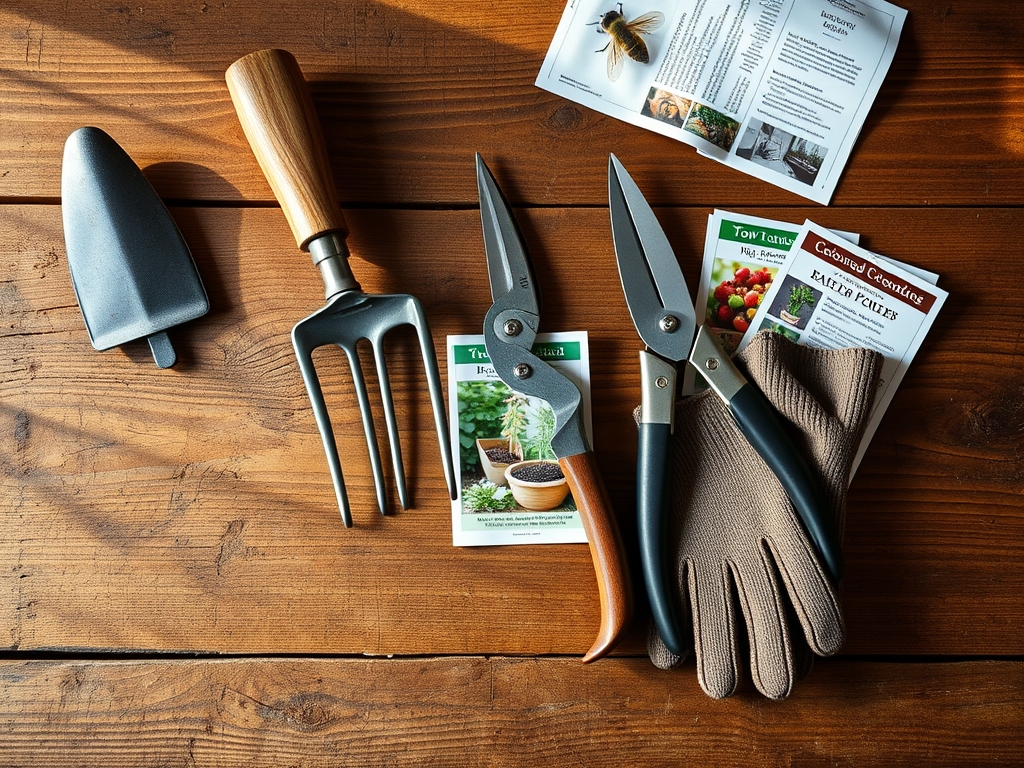
Materials:
The foundation of any horticultural installation begins with the substrate. While the bee hotel itself is wood and reed, the surrounding soil must support a nectar rich environment. Aim for a friable loam with a pH between 6.2 and 6.8. This range optimizes the Cation Exchange Capacity (CEC), allowing plants to access essential cations like Magnesium (Mg2+) and Calcium (Ca2+).
For the surrounding forage plants, utilize a balanced NPK ratio of 5-10-10. High phosphorus levels encourage robust anthesis (flowering) rather than excessive vegetative growth. The physical texture of the soil should be loose enough to allow for rapid root penetration but dense enough to retain moisture through capillary action. Avoid heavy clays that restrict gas exchange in the rhizosphere. The hotel itself should be constructed from untreated cedar or larch to resist fungal decay without introducing synthetic toxins into the environment.
Timing:
Hardiness Zones 4 through 9 represent the primary theater for these installations. You must install the hotel at least three weeks before the last predicted frost date. In Zone 7, this typically occurs in late March. The biological clock of the bee is synchronized with the emergence of early season blooms like Salix (willow) or Cercis (redbud).
The transition from the vegetative stage to the reproductive stage in local flora triggers the emergence of dormant larvae. If the hotel is installed too late, the bees will seek nesting sites in less optimal locations, such as deadwood or hollow stems prone to saturation. Monitor the soil temperature; once it consistently reaches 55 degrees Fahrenheit at a depth of 4 inches, the local ecosystem is ready for the installation.
Phases:
Sowing the Surroundings
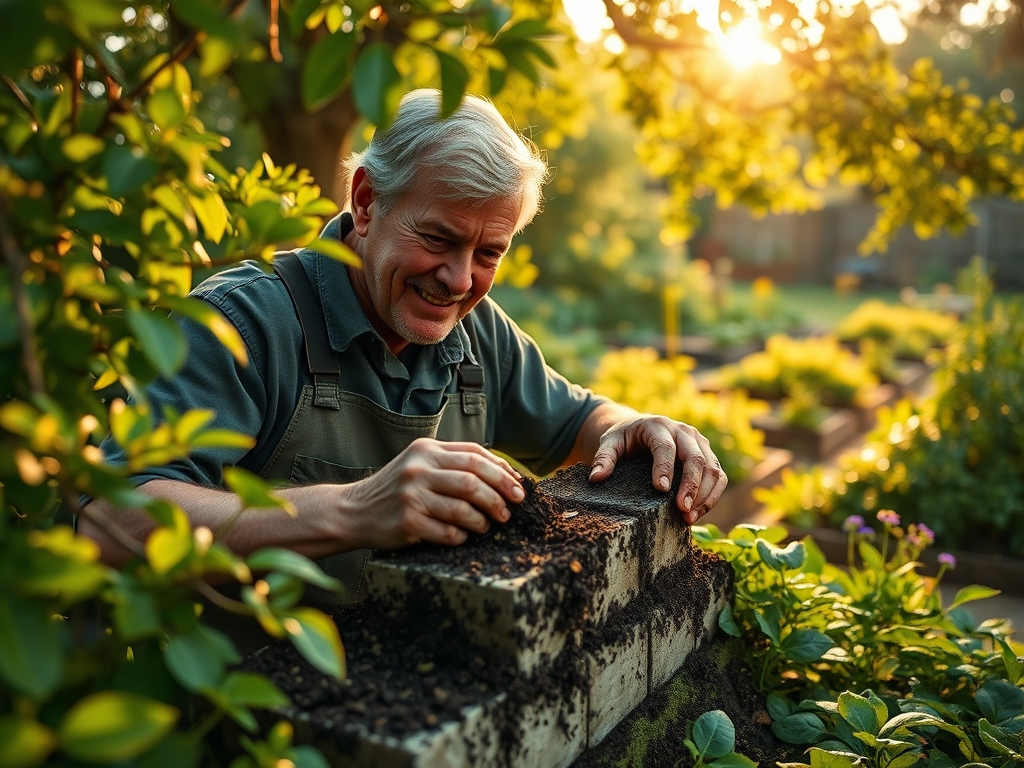
Clear a 5 foot radius around the installation site using a hori-hori knife to remove invasive rhizomes. Broadcast seeds of native wildflowers that provide high quality pollen. Ensure the seeds have contact with the soil to facilitate imbibition.
Pro-Tip: Proper seed to soil contact is vital because it initiates the hormonal shift within the seed coat, specifically increasing gibberellic acid levels to overcome dormancy.
Transplanting Support Flora
If using nursery stock, ensure the root ball is not pot bound. Dig a hole twice the width of the root system. Backfill with the native friable loam, avoiding the use of high nitrogen fertilizers which can lead to weak, succulent growth susceptible to aphids.
Pro-Tip: Spread the roots outward to prevent girdling. This encourages mycorrhizal symbiosis, a fungal relationship that extends the root system's reach for phosphorus and water.
Establishing the Structure
Mount the hotel on a fixed post or wall. It must be immobile. Swaying in the wind discourages female bees from entering the tubes. The height should be 3 to 5 feet above the ground to avoid splash back from rain, which can introduce soil borne pathogens into the nesting cavities.
Pro-Tip: Orient the hotel toward the South or Southeast. This maximizes phototropism in nearby plants and provides early morning solar gain, which increases the metabolic rate of the bees, allowing them to forage earlier in the day.
The Clinic:
Observe the hotel and surrounding plants for physiological disorders. Diagnosis requires a systematic approach to symptoms.
- Symptom: Yellowing of lower leaves while veins remain green (Interveinal Chlorosis).
- Solution: This indicates a Magnesium deficiency. Apply a foliar spray of Epsom salts (magnesium sulfate) at a rate of 1 tablespoon per gallon of water.
- Symptom: Stunted growth and pale green foliage across the entire plant.
- Solution: This is Nitrogen chlorosis. Side dress the plants with organic blood meal to provide a slow release of nitrogen without burning the roots.
- Symptom: Nesting tubes showing dark, fuzzy growth or "weeping" fluid.
- Solution: This is a fungal infection caused by excessive humidity. Increase airflow by thinning surrounding vegetation and ensure the hotel roof has a 2 inch overhang to shed water.
- Symptom: Leaves of surrounding forage plants curling and turning purple.
- Solution: This suggests a Phosphorus deficiency, often caused by cold soil temperatures limiting uptake. Mulch the base of the plants to stabilize soil heat.
Maintenance:
Consistency is the hallmark of a professional horticulturist. Use a soil moisture meter to ensure the forage area receives 1.5 inches of water per week. Apply this water at the drip line rather than the base of the stem to encourage lateral root expansion.
Pruning is required to maintain the "flight path" to the hotel. Use bypass pruners to remove any branches that obstruct the entrance. Perform this maintenance in the late evening when bee activity is minimal. Every autumn, inspect the nesting tubes. If they are capped with mud or leaf pulp, they contain larvae. Do not disturb these until the following spring. If tubes remain empty and show signs of mold, remove and replace them with fresh bamboo or paper inserts to prevent the buildup of mites and pathogens.
The Yield:
While a bee hotel does not yield a traditional harvest, the "yield" is measured in the fruit and seed production of the surrounding garden. You will observe increased fruit set in species like Malus (apples) and Vaccinium (blueberries).
To maximize this biological yield, ensure a continuous bloom cycle. A gap in nectar availability will cause the bees to abandon the hotel in search of better resources. Post-season, the "harvest" involves moving the hotel to an unheated garage or shed if winter temperatures drop below minus 10 degrees Fahrenheit for extended periods. This prevents the larvae from desiccating or freezing during extreme polar vortex events.
FAQ:
What is the best height for a bee hotel?
Install the hotel 3 to 5 feet above the ground. This height protects the larvae from ground level moisture and predators while remaining accessible for maintenance. Ensure it is mounted to a solid, non-swaying surface like a fence or post.
Which direction should the bee hotel face?
The hotel must face South or Southeast. This orientation captures the morning sun, which warms the bees' flight muscles. Without this thermal energy, bees remain lethargic and are less effective at foraging and pollinating your garden.
How do I clean the nesting tubes?
Do not clean tubes containing active larvae. In late autumn, identify empty or moldy tubes. Remove them and replace with fresh 6 inch long breathable straws or bamboo. This prevents the spread of pollen mites and fungal spores between generations.
What plants should I grow near the hotel?
Focus on native species with high nectar and pollen rewards. Plants like Aster, Solidago (goldenrod), and Monarda (bee balm) are ideal. Ensure the soil has a pH of 6.5 to optimize nutrient uptake for these floral resources.