7 Best Rooting Hormone Powders for Yield
The smell of damp, pasteurized peat moss signals the start of the propagation cycle. A successful cutting depends on maintaining high turgor pressure within the vascular tissue before the xylem is severed from the parent plant. To maximize success rates, professional growers rely on the best rooting hormone powders to stimulate undifferentiated cells into forming a robust root system. These powders typically utilize Indole-3-butyric acid (IBA) or 1-Naphthaleneacetic acid (NAA) to trigger cellular division at the nodes. When a cutting is dipped into these synthetic auxins, the plant undergoes a rapid physiological shift. The localized concentration of hormones overrides the natural apical dominance, forcing the plant to prioritize subterranean growth over foliage expansion. In a controlled environment with 85 percent humidity and a constant substrate temperature of 72 degrees Fahrenheit, the application of a high quality rooting powder can reduce the callusing period by half. This efficiency is critical for commercial yields where bench space and time are the primary constraints on profitability.
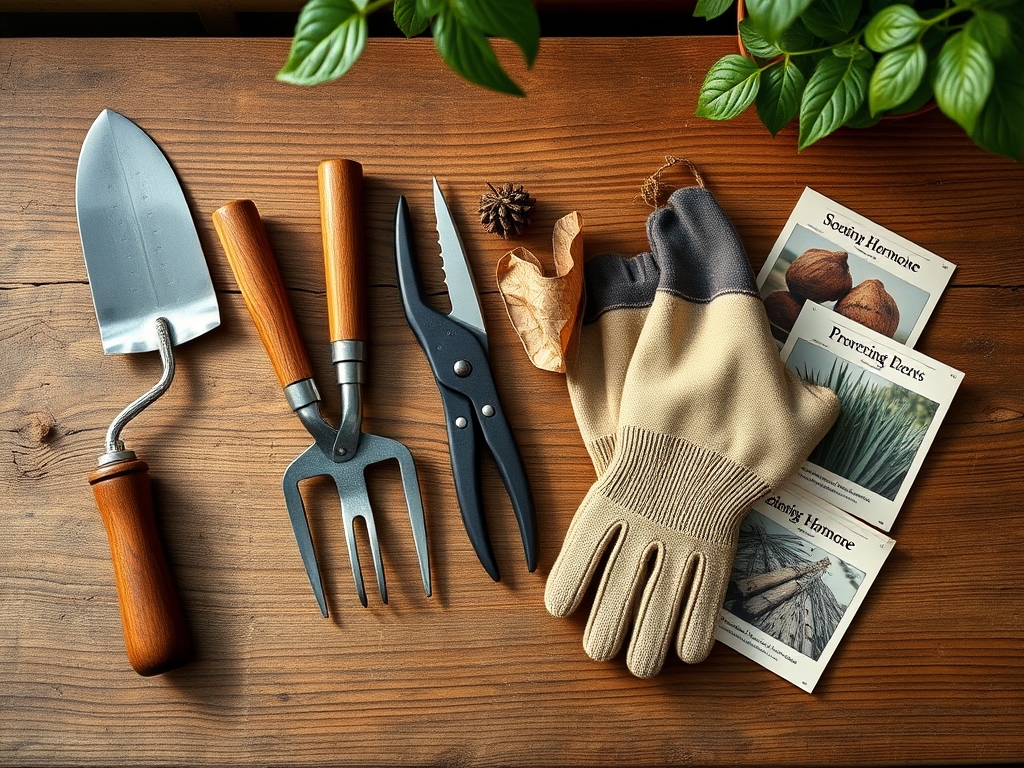
Materials:
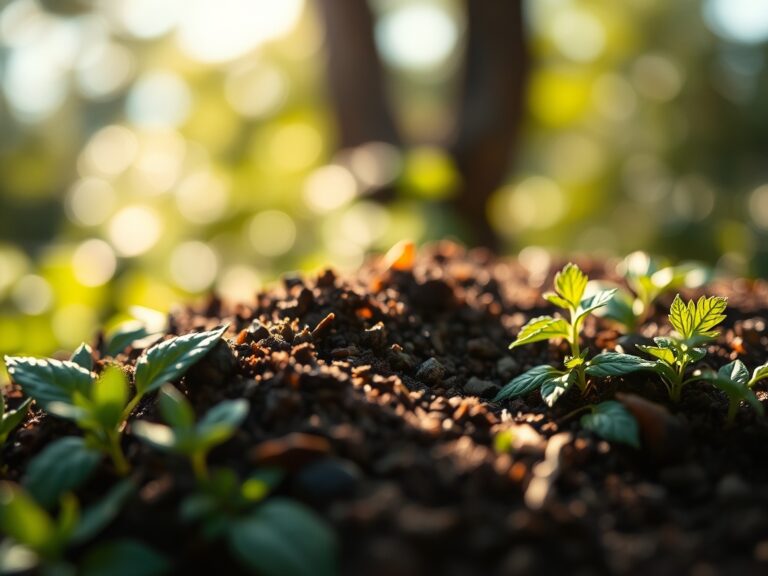
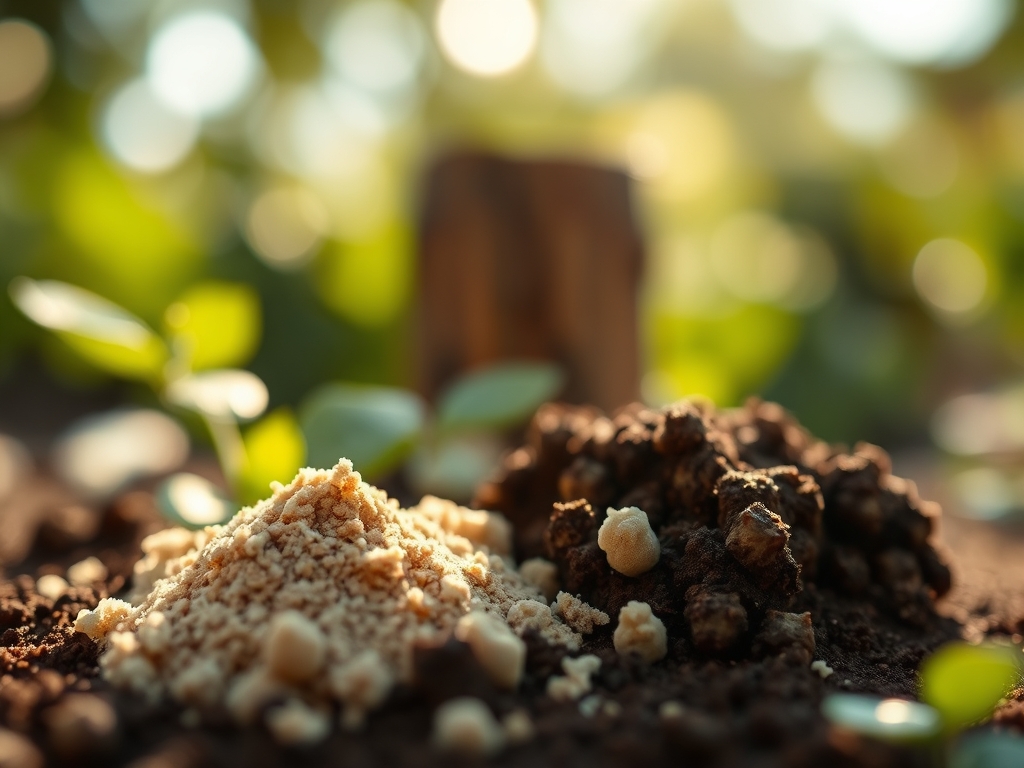
Selecting the right substrate is as vital as the hormone itself. The ideal medium is a friable loam or a sterile mix of perlite and vermiculite with a **pH range of 5.5 to 6.5**. This acidity level ensures maximum bioavailability of micronutrients during the initial rooting phase. The Cation Exchange Capacity (CEC) of the medium should be moderate to high, allowing the substrate to hold onto essential ions like calcium and magnesium without leaching.
For the best results, use a starter fertilizer with an NPK ratio of 10-52-10. The high phosphorus content is specifically formulated to support ATP production and nucleic acid synthesis during root development. Avoid high nitrogen levels during this stage; an excess of nitrogen can lead to succulent growth that is highly susceptible to fungal pathogens like Pythium. The physical texture of the substrate must allow for adequate aeration; a 30 percent air filled porosity is the standard for preventing anaerobic conditions in the rhizosphere.
Timing:
Hardiness Zones 4 through 8 require precise timing for taking cuttings. Softwood cuttings should be harvested in late spring or early summer, specifically when the plant is in its vegetative stage before the photoperiod shifts to trigger flowering. For Zone 9 and above, the window extends into late autumn for semi-hardwood species.
The biological clock of the plant dictates that cuttings must be taken in the early morning when cellular turgidity is at its peak. As the sun rises, transpiration increases, and the plant loses water through its stomata. Taking a cutting at 2:00 PM results in a 40 percent higher failure rate due to moisture stress. Monitor the transition from vegetative to reproductive stages; once a plant initiates senescence or flower budding, the internal auxin levels drop, and the success rate of the best rooting hormone powders diminishes significantly.
Phases:

Sowing and Dipping
The first phase involves the precise application of the hormone. Cut a 4 to 6 inch stem at a 45 degree angle using a sterilized bypass pruner. This angle increases the surface area of the cambium layer exposed to the powder. Dip the bottom 1 inch of the stem into the powder, tapping off any excess to prevent hormonal burn.
Pro-Tip: Auxin suppression is the goal here. By applying synthetic IBA, you are artificially suppressing the plant's natural hormonal balance to force adventitious root growth from non-root tissue.
Transplanting
Once the roots have reached a length of 2 inches, the plant is ready for its first transplant. Move the clones into a 4 inch pot filled with a well-draining potting soil. Ensure the transition happens in a shaded area to prevent transplant shock. Maintain a consistent soil moisture level using a soil moisture meter to ensure the reading stays between 4 and 6 on a 10 point scale.
Pro-Tip: Mycorrhizal symbiosis can be encouraged at this stage by dusting the root ball with beneficial fungi. This relationship increases the effective surface area of the roots by up to 1,000 times, enhancing nutrient uptake.
Establishing
Establishing the plant requires a gradual hardening off process. Over a period of 7 to 10 days, increase the exposure to direct sunlight and lower the humidity. The goal is to strengthen the waxy cuticle on the leaves to prevent desiccation. Use a hori-hori knife to check for soil compaction around the base of the plant, ensuring the roots have room to breathe.
Pro-Tip: Phototropism must be managed by rotating the pots 90 degrees every two days. This ensures even distribution of growth hormones throughout the stem, preventing the plant from leaning and becoming structurally weak.
The Clinic:
Physiological disorders often mimic nutrient deficiencies. Accurate diagnosis is the only way to save a crop.
Symptom: Interveinal chlorosis on young leaves.
Solution: This is likely an Iron deficiency, often caused by a pH above 7.0. Lower the pH of the irrigation water to 6.0 using phosphoric acid.
Fix-It: Apply a chelated iron foliar spray for immediate uptake while adjusting the substrate chemistry.
Symptom: Leaf margins turning brown and curling (necrosis).
Solution: Potassium deficiency or salt buildup. Flush the medium with three times the volume of the container with distilled water.
Fix-It: Transition to a balanced 20-20-20 NPK water soluble fertilizer at half strength.
Symptom: Stunted growth and dark purple undersides of leaves.
Solution: Phosphorus deficiency, often exacerbated by soil temperatures below 55 degrees Fahrenheit.
Fix-It: Increase the root zone temperature using a heating mat set to 75 degrees Fahrenheit.
Maintenance:
Precision maintenance is the difference between a surviving plant and a thriving one. Deliver 1.5 inches of water per week directly at the drip line to encourage the roots to spread outward rather than circling the base. Use bypass pruners to remove any dead or decaying matter, which prevents the harbor of pathogens.
Check the soil moisture every 48 hours using a soil moisture meter. If the top 2 inches of soil are dry, it is time to irrigate. For outdoor plants, mulch with organic matter to maintain a consistent soil temperature and protect the delicate rhizosphere from extreme fluctuations.
The Yield:
For edible crops, harvest timing is determined by the Brix level or visual cues of maturity. Use a sharp knife to harvest in the cool of the morning. To maintain day-one freshness, immediately submerge the cut ends in 40 degree Fahrenheit water to slow down the metabolic rate and prevent the breakdown of sugars. This process, known as hydro-cooling, preserves the cellular structure and flavor profile of the harvest.
FAQ:
What is the best concentration of IBA for softwood cuttings?
For most softwood species, a concentration of 0.1% to 0.3% IBA is ideal. This provides enough stimulus for root initiation without causing chemical burns to the sensitive cambium tissue of the young cutting.
Can I use rooting powder on established plants?
No. Rooting powders are designed for undifferentiated tissue at the site of a wound. Applying powder to the base of an established plant provides no benefit and can disrupt the existing hormonal balance of the root system.
How long does rooting powder stay active?
Most synthetic auxins have a shelf life of two years if stored in a cool, dark, and dry location. Moisture contamination in the container will cause the powder to clump and lose its chemical efficacy rapidly.
Does rooting powder prevent damping off?
While some powders contain fungicides, their primary purpose is hormonal. To prevent damping off, you must use a sterile substrate and maintain a soil temperature of 70-75 degrees Fahrenheit to ensure rapid growth that outpaces fungal development.