7 Easy Ways How to Protect Summer Heat
Summer heat can destroy a garden in hours. Wilting leaves, sunscalded fruit, and desiccated soil signal that plants are losing the battle against extreme temperatures. Understanding how to protect summer heat damage requires both preventive infrastructure and responsive intervention. Every degree above 90°F accelerates transpiration, depletes soil moisture reserves, and stresses photosynthetic pathways. The seven methods outlined here combine microclimate modification, strategic irrigation timing, and cultivar selection to preserve yields and plant health through the harshest months.
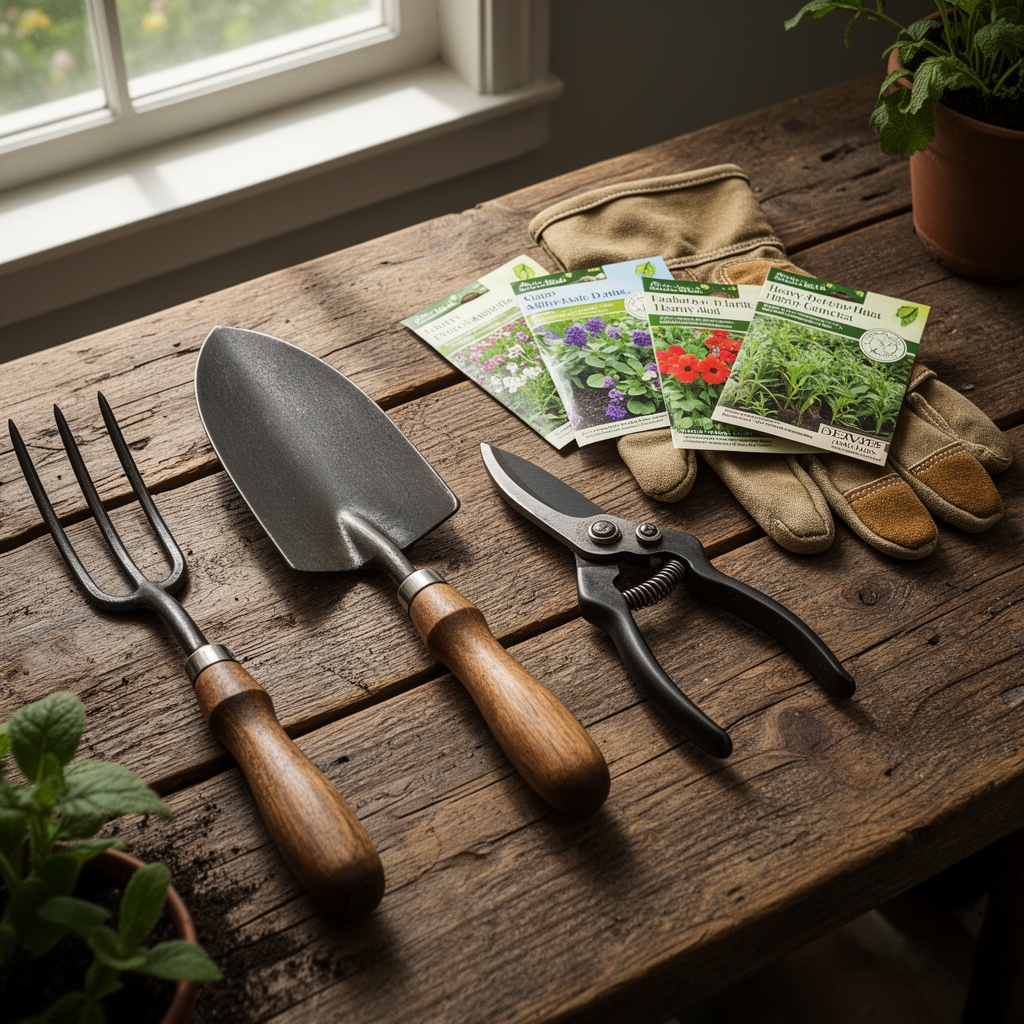
Materials
Effective heat protection begins with assembling the right supplies before temperatures peak. Shade cloth comes in graduated densities: 30% reduction for heat-tolerant crops like tomatoes and peppers, 50% for lettuce and leafy greens, and 70% for shade-preferring ornamentals. Choose knitted rather than woven fabric to allow better air circulation and reduce fungal pressure.
Organic mulch serves dual purposes in heat mitigation. Pine straw, aged hardwood chips, or straw applied at 3 to 4 inches depth moderates soil temperature swings by 10 to 15°F. Mulch preserves soil structure and feeds decomposer communities that improve cation exchange capacity. For nutrient support during heat stress, select a balanced organic fertilizer rated 4-4-4 or 5-5-5. High nitrogen formulas (10-5-5) push vegetative growth that increases transpiration demand when plants need to conserve water.
Soil amendments that increase water-holding capacity prove invaluable. Compost incorporated at a 2:1 ratio (2 parts native soil to 1 part compost) raises organic matter content and buffers pH fluctuations. Zeolite or biochar additions at 5% by volume enhance moisture retention without waterlogging root zones. For container plants, peat-based mixes dry too quickly; substitute coco coir blended with perlite at a 70:30 ratio.
Drip irrigation or soaker hoses deliver water directly to root zones with minimal evaporative loss. Overhead sprinklers waste 30 to 50% of water to evaporation during midday heat. Install a timer with twice-daily cycles rather than a single long session to maintain consistent soil moisture without anaerobic conditions.
Timing
Heat protection strategies align with USDA Hardiness Zones and local climate patterns. Zones 7 through 9 experience sustained temperatures above 90°F from June through August. Gardeners in these regions should install shade structures by mid-May, two weeks before average last frost. Zones 10 and 11 face heat stress year-round but intensify protection from March through October.
Spring transplants moved outdoors after soil reaches 60°F establish stronger root systems before summer peaks. Early plantings in April (Zones 7-8) or March (Zones 9-11) give crops like tomatoes, squash, and peppers 8 to 10 weeks of moderate temperatures to develop deep taproots. These roots access subsoil moisture when surface layers bake dry.
Fall garden preparation begins in late July for Zone 7, early August for Zone 8, and mid-August for Zones 9-10. Succession plantings of heat-tolerant varieties like 'Jericho' lettuce or 'Everglades' tomato bridge the gap until cooler weather arrives.
Phases

Sowing Phase
Direct seeding during heat requires moisture management and temperature reduction. Sow seeds 1/4 inch deeper than spring recommendations to reach cooler, damper soil layers. Water seed rows twice daily, early morning and late evening, until germination completes. Cover seed beds with burlap or row cover weighted at edges. The shade reduces soil surface temperature by 8 to 12°F while maintaining humidity for germination.
Pro-Tip: Inoculate seed furrows with mycorrhizal fungi at sowing. Glomus intraradices and Glomus aggregatum species colonize roots within 10 days, extending effective root surface area by 100 to 1,000 times. Enhanced phosphorus uptake strengthens plants against heat stress.
Transplanting Phase
Move seedlings to permanent locations during evening hours when temperatures drop below 80°F. Afternoon transplanting shocks plants; they lose water faster than roots can absorb it. Dig holes twice the root ball width and amend backfill with 1 cup of compost per planting hole. Water transplants with a kelp solution (1 tablespoon per gallon) to deliver cytokinins that stimulate root branching.
Create temporary shade for new transplants using inverted cardboard boxes with ventilation holes or bamboo stakes draped with shade cloth. Maintain this protection for 7 to 10 days while roots establish.
Pro-Tip: Prune transplants at a 45-degree angle just above the second true leaf node. This cut angle maximizes auxin distribution to lateral buds, promoting bushier growth and more fruiting sites.
Establishing Phase
Once transplants show new vegetative growth, typically 14 days after planting, shift focus to moisture consistency and nutrient access. Apply 2 inches of mulch around plant bases, keeping material 2 inches away from stems to prevent crown rot. Foliar feed with fish emulsion diluted to half strength (1 tablespoon per 2 gallons) every 10 days. Foliar uptake bypasses heat-stressed root systems.
Monitor leaf margins for early drought signs: slight curling, gray-green color shift, or crisp texture. These symptoms appear 24 to 48 hours before permanent wilting.
Pro-Tip: Install reflective mulches like aluminum-coated plastic around heat-sensitive crops. Reflected light increases lower-leaf photosynthesis by 15% while deterring aphids and whiteflies that vector viral diseases.
Troubleshooting
Symptom: Blossom end rot on tomatoes, peppers, squash
Solution: Calcium deficiency triggered by inconsistent watering. Apply calcium chloride foliar spray (1 tablespoon per gallon) every 5 days for 3 applications. Maintain soil moisture at 60 to 70% field capacity with daily deep watering (1 to 1.5 inches). Avoid high-nitrogen fertilizers that block calcium uptake.
Symptom: Leaf scorch with brown, papery margins
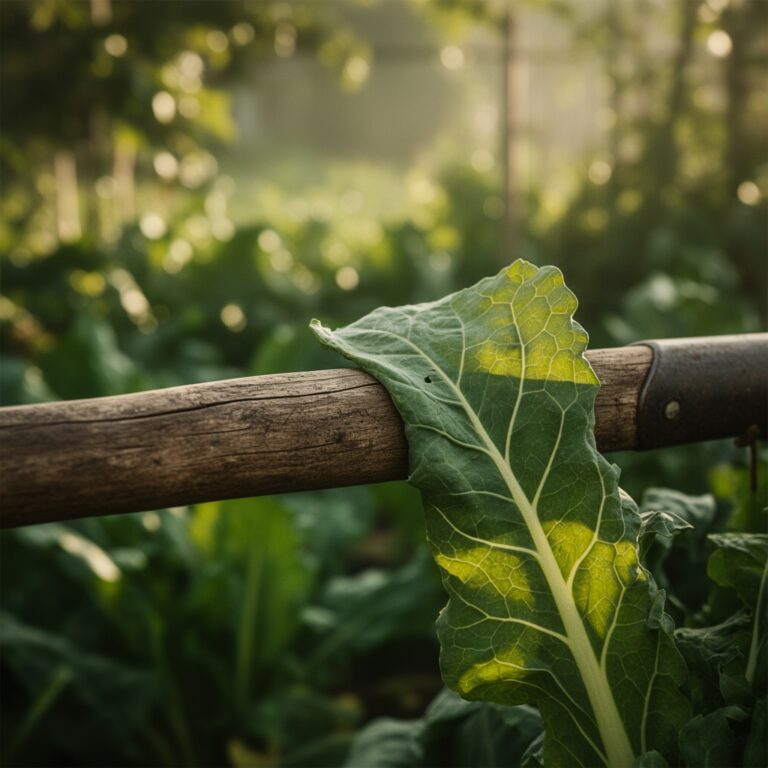
Solution: Excess transpiration overwhelming water uptake. Increase shade cloth coverage to 50%. Apply anti-transpirant sprays containing pinolene or vapor gard every 2 weeks to coat leaf surfaces and reduce moisture loss by 20 to 30%. Water deeply at dawn to maximize root absorption before heat peaks.
Symptom: Stunted growth, purplish leaves
Solution: Phosphorus lockout caused by soil temperatures above 95°F. Lower root zone temperature with 4 inches of organic mulch. Side-dress with bone meal (3-15-0) at 1/2 cup per plant to provide immediately available phosphorus. Restore soil microbial activity by drenching root zones with compost tea (5-gallon batch brewed 24 hours).
Symptom: Premature bolting in lettuce, spinach, cilantro
Solution: Heat triggering reproductive phase. Harvest immediately even if undersized; flavor deteriorates within 48 hours of bolt initiation. For future plantings, select bolt-resistant varieties like 'Nevada' or 'Defender' rated for temperatures up to 85°F. Provide afternoon shade and maintain soil at 65 to 70°F with mulch and frequent light irrigation.
Symptom: Fruit sunscald with white, blistered patches
Solution: Direct UV exposure on developing fruit. Train tomato and pepper plants to denser foliage by pinching terminal growth tips. This stimulates lateral branches that shade fruit. Apply kaolin clay spray (2 tablespoons per quart) to create a protective white coating that reflects 95% of UV radiation. Reapply after rain or irrigation.
Maintenance
Water management dictates summer survival. Apply 1 to 1.5 inches of water per week through drip systems, split into two 30-minute sessions at 6:00 AM and 7:00 PM. Morning watering prepares plants for daytime heat; evening sessions replenish moisture lost to transpiration. Avoid midday watering; 40% evaporates before reaching roots.
Check soil moisture at 4 to 6 inches depth with a moisture meter or the finger test. Soil should feel like a wrung-out sponge. Sandy soils require daily watering; clay soils need irrigation every 3 days but in larger volumes (2 inches per session).
Fertilize every 3 weeks with liquid organic blends at half package strength. Heat stress reduces nutrient uptake efficiency; full-strength applications burn roots. Apply 1/4 cup per plant of granular 5-5-5 fertilizer in a 6-inch band around the drip line, watered in immediately.
Prune damaged foliage weekly to improve air circulation and reduce disease pressure. Remove yellowed or scorched leaves with clean shears sterilized in 10% bleach solution between cuts. Limit pruning to no more than 20% of total foliage per session; excessive removal reduces photosynthetic capacity.
Inspect plants every 3 days for spider mite webbing, aphid colonies, or whitefly clouds. Heat-stressed plants emit volatile compounds that attract pests. Spray infestations with insecticidal soap (2 tablespoons per quart) in early morning or late evening when temperatures drop below 85°F. Applications during peak heat damage leaf cuticles.
FAQ
What temperature kills most vegetable plants?
Sustained exposure above 95°F for 6 hours causes protein denaturation and photosystem collapse in cool-season crops. Warm-season vegetables tolerate up to 100°F for short periods but cease fruiting above that threshold. Night temperatures above 75°F prevent pollen viability in tomatoes and peppers.
How quickly should I water during a heat wave?
Increase watering frequency to twice daily, delivering 0.75 inches per session. Check soil moisture at root depth (6 inches) rather than surface. Wilting visible by 10:00 AM indicates insufficient water; adjust volume upward by 25%.
Can I use plastic mulch in summer?
Black plastic raises soil temperature 8 to 12°F, worsening heat stress. Switch to reflective silver or white plastic that lowers soil temperature by 5°F. Organic mulches provide superior cooling and moisture retention.
Do shade cloths reduce yields?
Moderate shading (30 to 50%) maintains photosynthesis while preventing heat damage. Studies show 30% shade increases tomato yields by 15% during heat waves by preventing flower drop. Excessive shade (70%+) on fruiting crops reduces sugar development and delays ripening.
Which crops handle heat best?
Okra, Armenian cucumber, yard-long beans, and Malabar spinach thrive above 90°F. Southern peas, sweet potato greens, and amaranth tolerate extreme heat. Select varieties bred for hot climates: 'Phoenix' tomato, 'Olympia' spinach, and 'Summer Crisp' lettuce maintain quality at 85 to 90°F.