8 Best Ebb and Flow Systems for Home
The scent of damp expanded clay pebbles and the sharp, metallic tang of a nutrient reservoir define the modern indoor garden. When a pump engages, the sound of rushing water signals the restoration of turgor pressure within the plant vascular system. Selecting the best ebb and flow systems requires an understanding of fluid dynamics and oxygenation at the root zone. These sub-irrigation setups rely on the periodic flooding of a grow tray followed by a slow, gravity-fed drain. This cycle flushes stale air out of the substrate and pulls fresh oxygen into the rhizosphere. Success in this medium is not about luck; it is about the precise control of flooding frequency and the chemical composition of the solution. A high-performing system prevents the stagnation that leads to anaerobic pathogens while ensuring that the cellular walls of the foliage remain rigid and upright. Proper implementation results in accelerated metabolic rates and a significant increase in biomass compared to traditional soil-based methods.
Materials:
The substrate in an ebb and flow system must be chemically inert and physically stable. Hydroton (expanded clay) or coarse perlite are preferred for their high porosity and neutral impact on **soil pH**, which should be maintained between **5.5 and 6.3**. Unlike a friable loam used in traditional plots, these media have a low Cation Exchange Capacity (CEC). This means the gardener has total control over nutrient delivery.
During the vegetative stage, utilize a water-soluble fertilizer with an NPK ratio of 3-1-2. This high nitrogen concentration supports chlorophyll production and leaf expansion. As the plant transitions to the reproductive phase, shift the ratio to 1-3-2 or 0-5-4. This increase in phosphorus and potassium facilitates flower development and root hardening. The water must be de-chlorinated and kept at a temperature between 65 and 72 degrees Fahrenheit to maximize dissolved oxygen levels.
Timing:
While ebb and flow systems are typically utilized indoors, they must still align with the biological clock of the species. Most indoor crops are managed across Hardiness Zones 1 through 13 via climate control. The transition from the vegetative stage to the reproductive stage is governed by the photoperiod. For short-day plants, a shift from 18 hours of light to 12 hours triggers the hormonal change required for flowering.
The flood cycle timing is critical. In a standard environment with 40% to 60% humidity, a flood frequency of four to six times per day is standard. Each flood should last approximately 10 to 15 minutes. If the substrate remains saturated for too long, the roots will suffer from hypoxia. Conversely, if the interval between floods is too great, the root hairs will desiccate and die. Monitor the "Biological Clock" by observing the plant for signs of senescence, such as the yellowing of older fan leaves as mobile nutrients are redirected to new growth.
Phases:
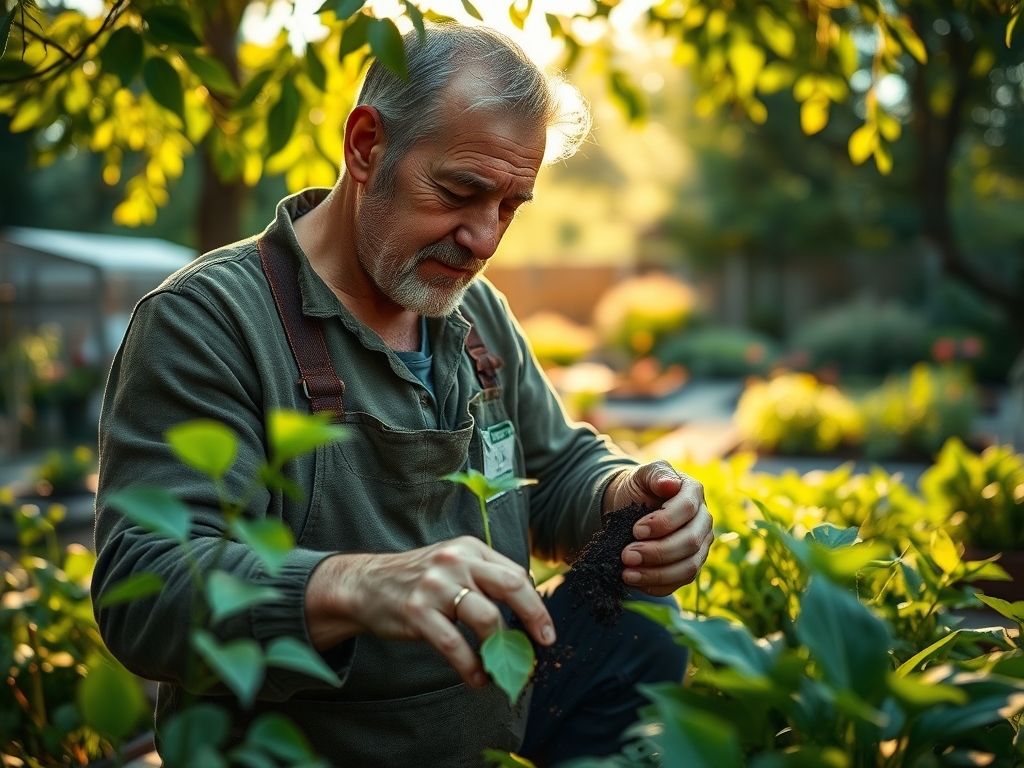
Sowing
Begin seeds in rockwool cubes or rapid rooter plugs. Ensure the medium is pre-soaked in a light nutrient solution with a Total Dissolved Solids (TDS) reading of 200-300 ppm. Keep the ambient temperature at 75 degrees Fahrenheit to encourage rapid germination.
Pro-Tip: Maintaining high humidity during germination prevents the seed coat from hardening. This supports the emergence of the radicle by reducing the physical resistance the seedling must overcome.
Transplanting
Move the seedlings into the main ebb and flow tray once the secondary roots emerge from the starter plug. Space the plants according to their mature width to ensure adequate airflow. Adjust the overflow pipe to a height that reaches the bottom one-third of the root mass.
Pro-Tip: Proper spacing prevents the "edge effect" where peripheral plants receive more CO2 and light than central ones. This ensures a uniform canopy and prevents the suppression of lower auxiliary buds by auxin dominance in the apical meristem.
Establishing
During the first 14 days after transplanting, monitor the root development closely. The roots should appear bright white and fuzzy with microscopic root hairs. If they appear tan or slimy, reduce the flood frequency immediately.
Pro-Tip: Roots exhibit hydrotropism, growing toward the moisture source. By keeping the top layer of the substrate dry, you force the root system to expand downward and outward, creating a more robust foundation for the plant.
The Clinic:
Physiological disorders in hydroponics often manifest rapidly due to the high metabolic rate of the plants.
- Symptom: Interveinal chlorosis on young leaves.
- Solution: This indicates an Iron (Fe) deficiency, often caused by a pH spike above 7.0. Adjust the reservoir pH to 5.8 using phosphoric acid.
- Symptom: Leaf tip burn and "clawing" of dark green leaves.
- Solution: This is Nitrogen toxicity. Flush the system with pure, pH-balanced water for 24 hours, then resume feeding at 50% strength.
- Symptom: Soft, brown, necrotic spots on fruit or flower ends.
- Solution: Calcium deficiency, often linked to low transpiration. Increase airflow with fans and add a Cal-Mag supplement to reach a TDS of 800-1000 ppm.
Fix-It: For Nitrogen chlorosis (yellowing of lower leaves), increase the nitrate concentration in your NPK mix. Nitrogen is a mobile nutrient; the plant will pull it from old growth to support new terminals if the supply is insufficient.
Maintenance:
Precision is the hallmark of a master horticulturist. Use a soil moisture meter or a digital tensiometer to verify the saturation levels of the substrate between cycles. The reservoir must be completely drained and scrubbed every 7 to 14 days to prevent the buildup of mineral salts and biofilm.
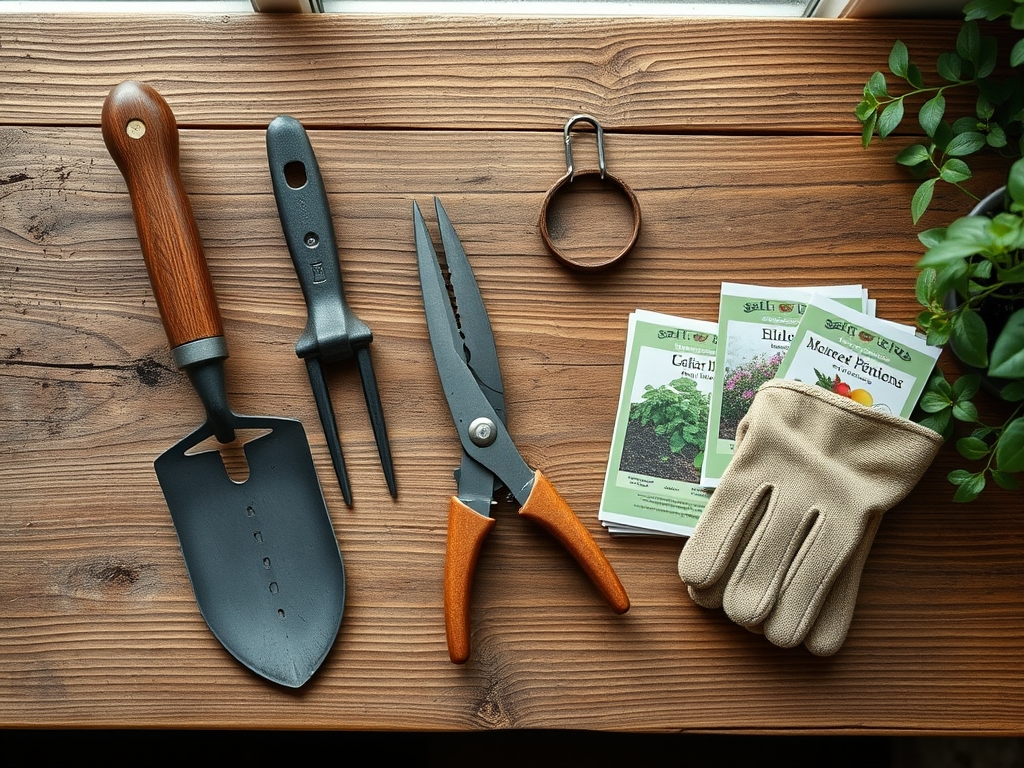
When pruning, use sterilized bypass pruners to make clean cuts at a 45-degree angle. This minimizes the surface area of the wound and prevents water from pooling on the cut, which can lead to fungal infections. For smaller tasks or checking root health, a hori-hori knife can be used to gently probe the expanded clay without damaging the primary taproot. Maintain a water level that provides at least 20 gallons of volume per ten small plants to ensure pH stability.
The Yield:
Harvesting should occur when the plant reaches peak secondary metabolite production. For leafy greens, harvest in the early morning when turgor pressure is at its highest. For fruiting or flowering plants, look for the transition of trichomes from clear to milky white or amber.
Use a sharp blade to sever the main stem. To maintain "day-one" freshness, immediately plunge the base of the harvested material into chilled, pH-balanced water. This "cold-shock" slows down the rate of respiration and prevents the rapid breakdown of sugars and volatile oils. Store the harvest in a dark environment at 55 degrees Fahrenheit with 60% humidity to cure or preserve the cellular integrity.
FAQ:
How often should I flood my ebb and flow system?
Flood the system 4 to 6 times daily during light hours. Frequency depends on the water retention of your media. Clay pebbles require more frequent flooding than rockwool. Ensure the substrate dries slightly between cycles to provide oxygen to the roots.
What is the ideal pH for a hydroponic reservoir?
Maintain a pH range between 5.5 and 6.3. This range ensures that essential macro and micronutrients remain chemically available for root uptake. Use a calibrated digital meter to check levels daily, as evaporation can cause pH fluctuations.
Can I use organic fertilizers in an ebb and flow system?
Organic nutrients often contain suspended solids that clog pumps and emitters. Use highly refined, mineral-based liquid nutrients for best results. If using organics, ensure they are fully "digested" and filtered to prevent anaerobic bacterial growth in the reservoir.
Why are my plants wilting even though the tray is flooding?
Wilting during a flood cycle usually indicates root rot or "damping off." Pathogens like Pythium thrive in warm, stagnant water. Check for brown, slimy roots and ensure your reservoir temperature stays below 72 degrees Fahrenheit to maintain high dissolved oxygen.