8 Best Soil Propagation Tips for Success
The smell of warm, friable soil in early spring signals the beginning of propagation season. When your fingers can press into the top two inches of prepared bed without meeting frozen layers, conditions align for successful plant multiplication. The best soil propagation tips emerge from understanding substrate structure, microbial activity, and the precise moment when root initials transition from callus tissue to functional absorptive organs. These eight techniques transform casual gardening into systematic plant production.
Materials
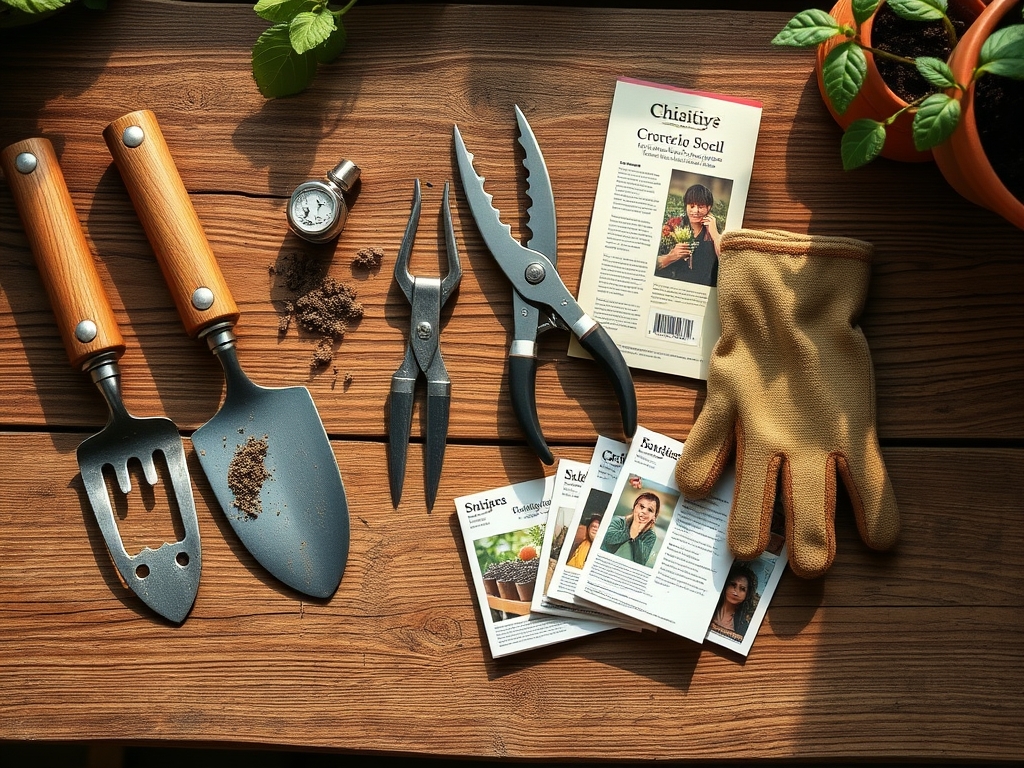
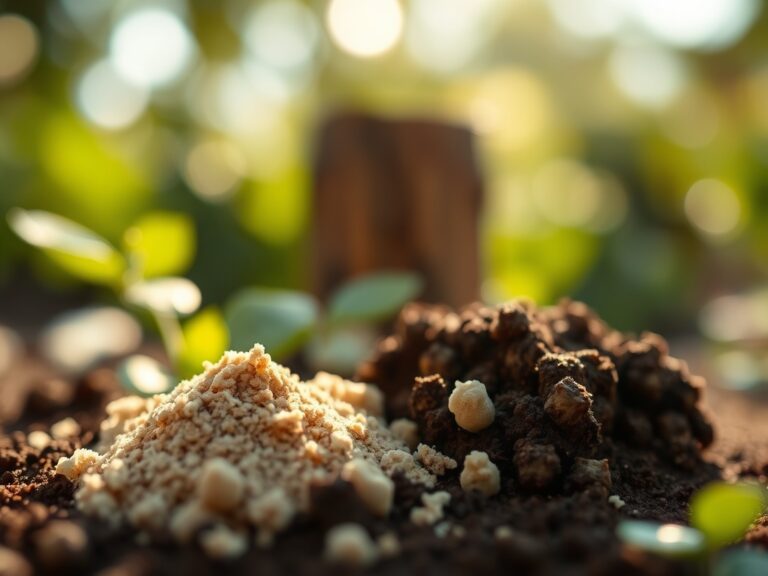
Select propagation media based on target pH and nutrient profile. For acid-loving species like blueberries and azaleas, blend two parts Canadian sphagnum peat (pH 3.5-4.5) with one part perlite and one part composted pine bark. Maintain substrate pH between 4.8 and 5.5.
For general propagation, use equal parts coconut coir (pH 5.5-6.8), perlite, and vermiculite. This combination provides cation exchange capacity of 40-60 meq/100g while ensuring adequate aeration. Add a 4-4-4 organic fertilizer blend at 2 tablespoons per gallon of substrate. The balanced NPK ratio supplies nitrogen for foliage development, phosphorus for root initiation, and potassium for cellular function without promoting excessive vegetative growth that depletes carbohydrate reserves.
Sterilize all containers and tools with 10% bleach solution for ten minutes. Rinse thoroughly. Residual salts from chlorine compounds inhibit mycorrhizal colonization in the root zone.
Timing
Match propagation windows to USDA Hardiness Zones and species dormancy patterns. In Zones 5-7, softwood cuttings root most reliably between May 15 and June 30 when auxin concentrations peak in actively growing shoot tips. Semi-hardwood cuttings succeed from July through August as lignification progresses but tissues retain flexibility.
For Zone 8-10 gardeners, extend the calendar. Begin softwood propagation in late March and continue semi-hardwood efforts through October. Root development requires soil temperatures between 65-75°F at a depth of 3 inches.
Hardwood cuttings demand winter dormancy. Collect material between November and February when carbohydrate storage reaches maximum levels in woody stems. Store cuttings at 35-40°F for 4-8 weeks before sticking into propagation beds.
Count backward from your last expected frost date. Seedlings require 6-12 weeks of growth before transplant, depending on species. Tomatoes need 8 weeks, peppers demand 10, and slow-germinating celery requires 12 full weeks indoors.
Phases

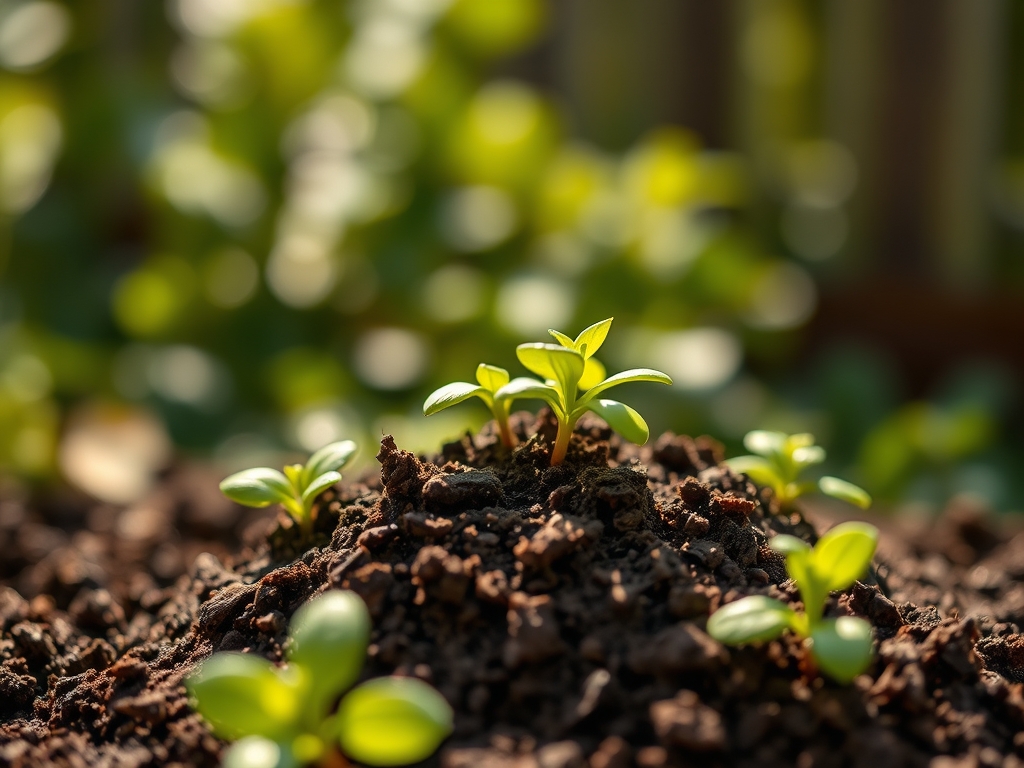
Sowing: Fill propagation trays to 1/4 inch below the rim with pre-moistened substrate. Firm gently to eliminate air pockets that cause uneven moisture distribution. Plant seeds at depth equal to twice their diameter. Press fine seeds like petunia onto the surface without covering. Maintain substrate temperature at 70-75°F using bottom heat mats.
Pro-Tip: Inoculate substrate with Trichoderma harzianum at 1 gram per gallon of medium. This beneficial fungus colonizes root surfaces and suppresses damping-off pathogens including Pythium and Rhizoctonia species.
Transplanting: Move seedlings when true leaves fully expand and root systems fill cell volumes without circling. Water thoroughly one hour before transplant to reduce mechanical stress. Handle only by leaves, never by stems. Plant at identical depth to prevent crown rot or root exposure.
Pro-Tip: Prune taproots of seedlings at a 45-degree angle using sterilized shears. This angular cut increases surface area and stimulates lateral root branching by disrupting apical dominance in the root meristem.
Establishing: Reduce watering frequency by 30% after the first week in final containers. Allow the top inch of soil to dry between irrigations. This mild moisture stress forces roots to explore deeper soil layers and establishes drought tolerance. Apply liquid kelp fertilizer (0-0-1 NPK plus trace minerals) at 1 tablespoon per gallon every 14 days.
Pro-Tip: Introduce endomycorrhizal fungi (Glomus species) by dusting roots with 1/4 teaspoon of inoculant powder at transplant. Fungal hyphae extend root absorption capacity by 10-1000 times, improving phosphorus uptake in particular.
Troubleshooting
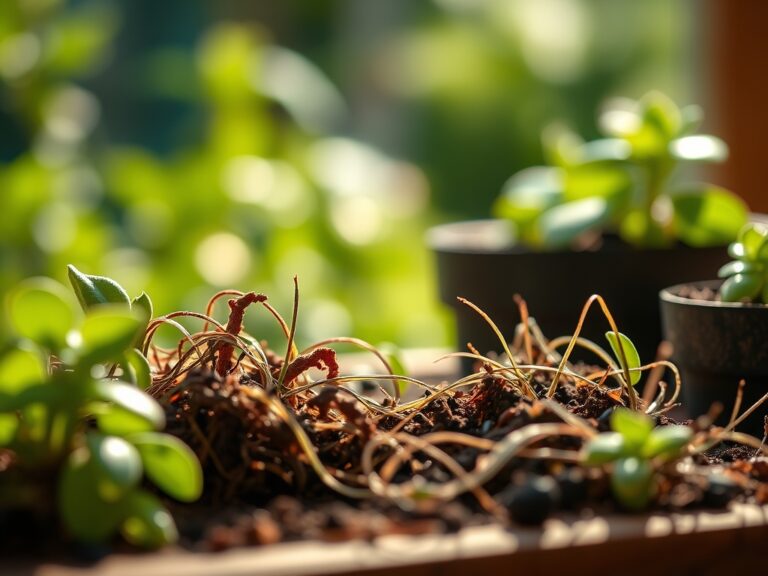
Symptom: Seedlings collapse at soil line with water-soaked stems.
Solution: Damping-off disease from excessive moisture. Increase air circulation with a fan running 12 hours daily. Reduce watering to once per day maximum. Apply Bacillus subtilis drench at label rates.
Symptom: Yellow lower leaves with green veins, purple stem coloration.
Solution: Phosphorus deficiency from cold soil temperatures below 60°F. Move containers to warmer location or add heat mats. Spray foliage with 0-50-30 fertilizer diluted to 1/4 strength every 5 days until symptoms resolve.
Symptom: Elongated, pale stems reaching toward light sources.
Solution: Insufficient photosynthetic photon flux density. Position grow lights 2-4 inches above plant canopy. Provide 14-16 hours of light daily at intensity of 200-400 micromoles per square meter per second for seedlings.
Symptom: Brown, crispy leaf edges with slowed growth.
Solution: Excessive soluble salts from over-fertilization. Leach containers with volume of water equal to three times the pot size. Allow complete drainage. Resume fertilization at half strength.
Symptom: White, cottony growth on substrate surface.
Solution: Saprophytic mold from organic matter decomposition. Harmless but indicates excess moisture. Scrape away surface layer. Top-dress with 1/4 inch of coarse sand to improve evaporation.
Maintenance
Water propagation containers when substrate weight decreases by 30-40% from saturation. For a standard 4-inch pot, this translates to approximately 1/4 cup every 2-3 days depending on ambient humidity. Deep watering encourages vertical root growth into lower substrate layers.
Monitor electrical conductivity of leachate monthly. Optimal range sits between 1.0-2.5 mS/cm for most species. Values above 3.0 indicate salt accumulation requiring leaching. Test with an inexpensive EC meter calibrated to 1413 microsiemens.
Maintain relative humidity between 70-80% during root initiation. Reduce gradually to 50-60% as roots establish to harden tissues against transplant shock. Use humidity domes for the first 7-10 days only.
FAQ
How deep should cuttings be inserted into propagation medium?
Insert cuttings 1-2 inches deep, ensuring at least one node sits below the substrate surface. Adventitious roots emerge from nodal tissue where auxin concentrations naturally accumulate.
What ratio of perlite to vermiculite works best?
Use 1:1 for moisture-loving species, 2:1 perlite-to-vermiculite for succulents and Mediterranean herbs requiring sharp drainage. Perlite improves aeration while vermiculite enhances water retention.
When should rooting hormone be applied?
Dip cut ends in 0.1-0.3% IBA (indolebutyric acid) powder immediately after making cuts. Tap off excess. Hormone efficacy decreases 50% after 30 minutes of air exposure.
How long does root development take?
Softwood cuttings root in 2-4 weeks, semi-hardwood in 4-8 weeks, and hardwood cuttings require 8-16 weeks. Gently tug stems after minimum time periods. Resistance indicates root formation.
Can propagation substrate be reused?
No. Spent medium harbors pathogens and depleted nutrient reserves. Compost used substrate for 6 months before reintroducing to garden beds, never to propagation systems.