8 Simple Ways How to Build Bumble Bee Habitats
The steady hum of bumble bees across a garden signals a complex relationship between native pollinators and purposeful habitat design. Learning how to build bumble bee habitats requires understanding their nesting preferences, foraging patterns, and seasonal cycles. These robust pollinators need undisturbed soil cavities, continuous bloom sequences, and overwintering sites. The task becomes straightforward when approached through the lens of soil structure, plant selection based on NPK requirements, and spatial arrangement that mimics natural meadow edges.
Materials
Successful bumble bee habitat construction relies on materials that support both the insects and their forage plants. Begin with native perennial seed mixes weighted toward Asteraceae and Lamiaceae families. A balanced 4-4-4 organic fertilizer provides slow-release nitrogen, phosphorus, and potassium without stimulating excessive vegetative growth that reduces nectar production. Compost aged 12 months contributes to cation exchange capacity, improving nutrient retention in sandy soils.
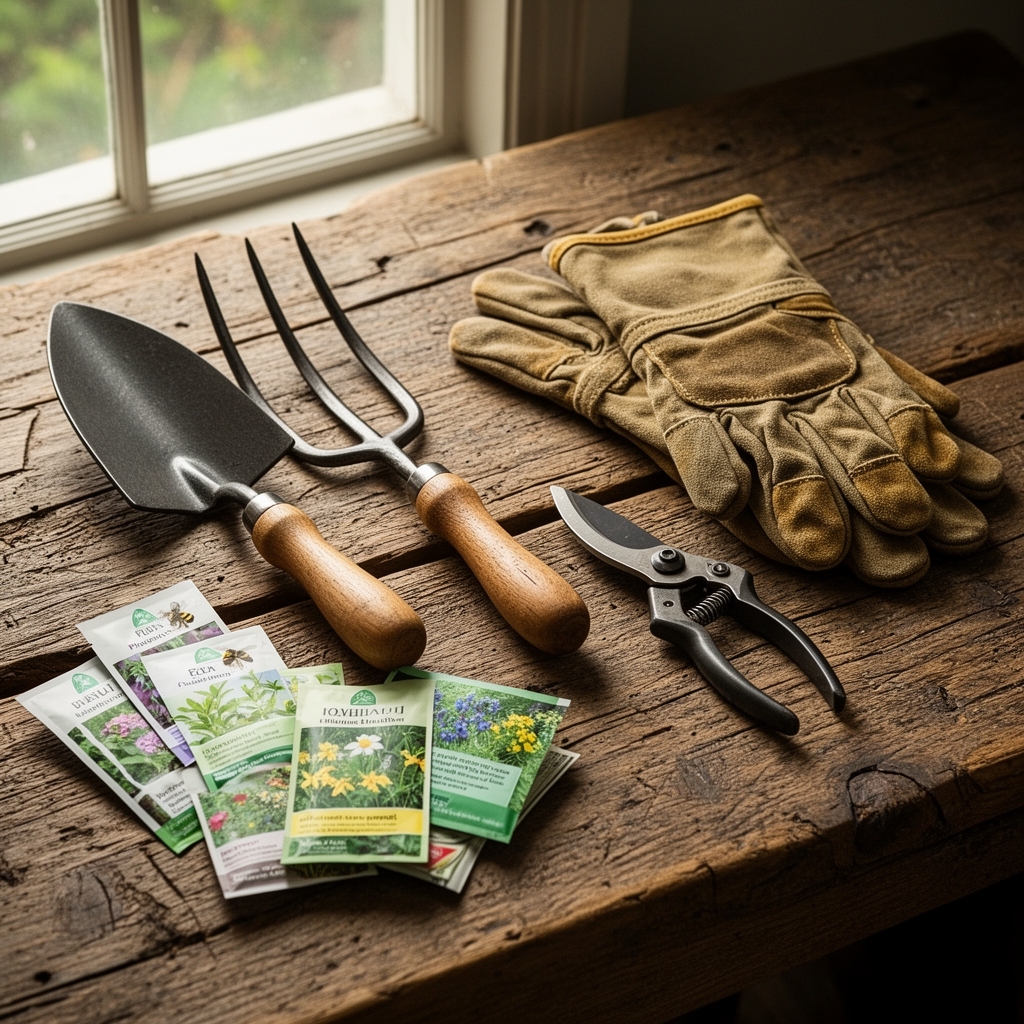
For nest-box construction, untreated cedar or pine lumber resists decay while remaining safe for brood development. Drill entrance holes 0.5 to 0.75 inches in diameter. Line interior chambers with dried grass clippings or shredded aspen bedding. Avoid pressure-treated wood and synthetic insulation. Both leach compounds toxic to larvae.
Soil amendments should target pH between 6.0 and 7.0 for most bee-forage species. Sulfur lowers pH at a rate of 1 pound per 100 square feet to drop one full point. Dolomitic limestone raises pH and adds magnesium, critical for chlorophyll synthesis in high-nectar flowers like Monarda and Echinacea. Test soil every two years to track cation exchange capacity and micronutrient availability.
Mycorrhizal fungi inoculants establish symbiotic relationships with 80 percent of flowering plants. Apply granular inoculant at 1 tablespoon per transplant hole. This increases phosphorus uptake, strengthening root systems that stabilize loose nesting substrates.
Timing
Hardiness zones dictate when to initiate how to build bumble bee habitats projects. In zones 5 through 7, begin site preparation four weeks before the last expected frost. Queens emerge when soil temperatures reach 50 degrees Fahrenheit at a depth of 2 inches. Native perennial plugs transplant best when daytime highs stabilize between 55 and 65 degrees.
Zones 8 and 9 allow fall planting from late September through October. Root establishment occurs through winter, yielding vigorous spring growth synchronized with queen foraging. Zones 3 and 4 require waiting until two weeks past last frost to avoid heaving damage to young root systems.
Seed direct-sown forbs 6 weeks before last frost for cold stratification. Species like Penstemon and Asclepias require 30 days of temperatures below 40 degrees to break dormancy. Mark sowing dates on a garden calendar indexed to your USDA zone's average frost windows.
Phases
Sowing
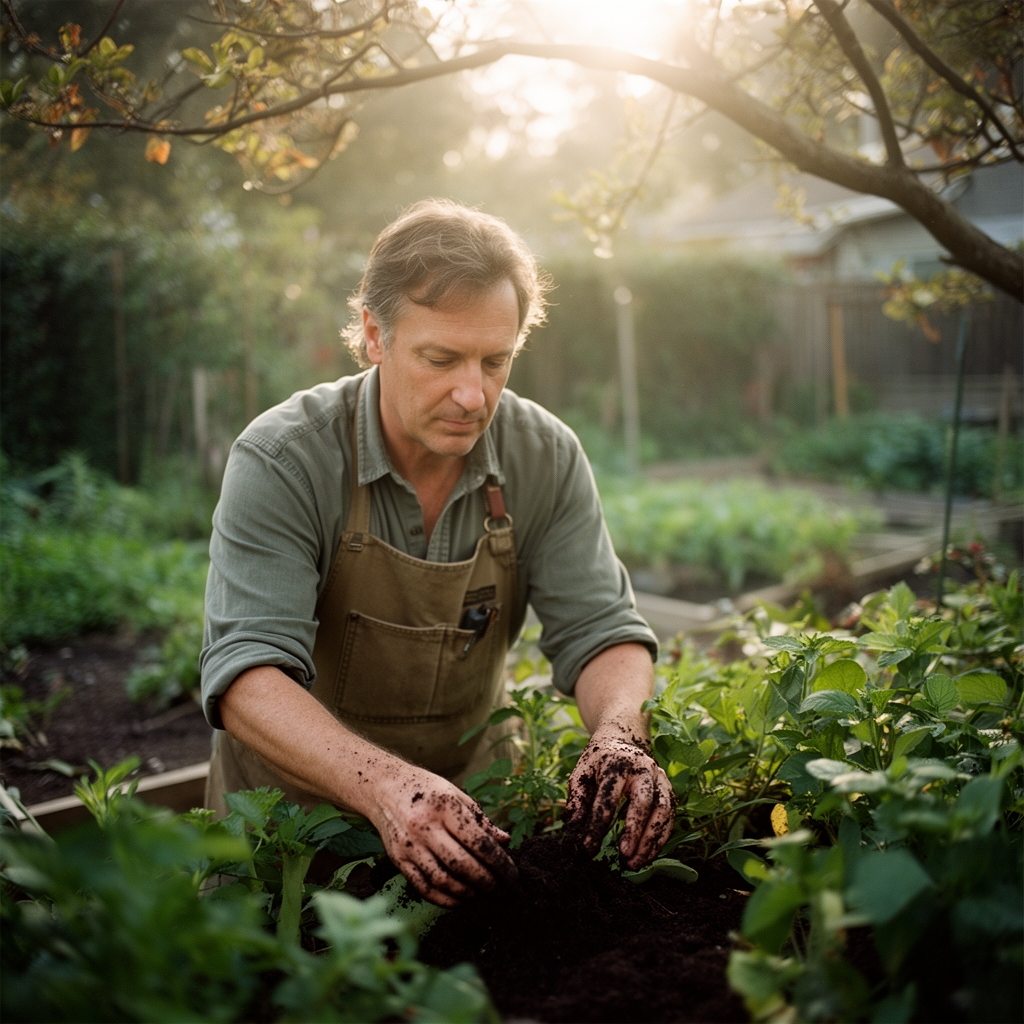
Prepare beds by removing turf to a depth of 4 inches. Till to 8 inches, incorporating compost at 2 cubic yards per 100 square feet. Rake smooth and water to settle. Broadcast seed at rates specified per species, typically 15 to 20 seeds per square foot for forb mixes. Press seed into soil contact using a lawn roller or by walking systematically across beds. Do not bury seed deeper than twice its diameter.
Pro-Tip: Mix seed with dry sand at a 1:4 ratio to achieve even distribution across large areas. The sand's pale color reveals coverage gaps immediately.
Transplanting
Space perennial plugs 12 to 18 inches apart depending on mature spread. Dig holes twice the root ball width. Place plugs so the crown sits level with surrounding soil. Backfill with native soil mixed 50:50 with compost. Water immediately with 1 quart per plant to eliminate air pockets and initiate auxin distribution for root growth.
Pro-Tip: Transplant on overcast days or after 4 PM to reduce transplant shock. Stomatal closure during cooler hours conserves moisture while roots acclimate.
Establishing
Maintain consistent soil moisture for the first 8 weeks, providing 1 inch of water weekly if rainfall totals less than that amount. Mulch with 2 inches of shredded hardwood bark around plants, keeping mulch 3 inches away from crowns to prevent rot. This layer moderates soil temperature and suppresses annual weeds that compete for resources.
Install nest boxes at ground level or buried with only entrance holes exposed. Position in partial shade under shrubs or along unmowed fence lines. Bumble bee queens prefer sites with 40 to 60 percent canopy cover that moderate internal temperatures.
Pro-Tip: Inoculate nest box bedding with a handful of soil from established colonies if available. Native microbes reduce pathogen loads in developing brood.
Troubleshooting
Symptom: Queens inspect but abandon provided nest boxes.
Solution: Boxes may lack adequate insulation or have entrance holes exceeding 0.75 inches. Replace with properly sized entrances and add extra bedding to fill 75 percent of interior volume.
Symptom: Forage plants show yellowing lower leaves while upper foliage remains green.
Solution: Nitrogen deficiency. Side-dress with blood meal at 1 pound per 100 square feet or apply liquid fish emulsion diluted to 1 tablespoon per gallon weekly for three weeks.
Symptom: Sparse bloom despite healthy vegetative growth.
Solution: Excess nitrogen drives foliage at the expense of flowers. Cease nitrogen applications. Top-dress with bone meal at 2 pounds per 100 square feet to boost phosphorus, which promotes bud formation.
Symptom: Bumble bees absent despite abundant flowers.
Solution: Check bloom timing against local queen emergence. Early springs may cause phenological mismatches. Add earlier-blooming species like Pulmonaria and Helleborus for next season.
Symptom: Wilting plants in moist soil.
Solution: Root rot from poor drainage. Amend heavy clay with coarse sand and compost at 3 inches each, tilled to 12 inches depth. Consider raised beds in persistently wet sites.
Maintenance
Apply 0.5 inches of water weekly during active growth if natural rainfall is insufficient. Deep watering encourages roots to penetrate 8 to 12 inches, accessing stable moisture reserves. Avoid overhead irrigation after 2 PM to reduce foliar disease pressure.
Deadhead spent blooms on Salvia and Agastache to extend flowering periods by 4 weeks. Leave seed heads on Echinacea and Rudbeckia after first frost. These provide winter forage for overwintering queens and beneficial insects.
Cut back perennial stems to 6 inches in late winter, leaving hollow stems as nesting cavities for solitary bees. Remove only 50 percent of stems annually to maintain habitat structure. Compost debris away from nesting areas to avoid disturbing dormant queens.
Refresh mulch annually to maintain 2-inch depth. Replenish compost top-dressing at 0.5 inches each spring. Reapply mycorrhizal inoculant every three years as populations decline in disturbed soils.
FAQ
When do bumble bee queens emerge?
Queens emerge when soil temperatures reach 50 degrees Fahrenheit at 2-inch depth, typically 2 to 4 weeks before last frost in most zones.
What is the best nest box design?
Untreated wood boxes with 0.5 to 0.75-inch entrance holes, filled 75 percent with dry grass bedding, placed at ground level in partial shade.
Which plants provide the longest bloom sequence?
Combine Pulmonaria (early), Monarda (mid), Solidago (late), and Aster (latest) for March through October coverage in zones 5-7.
How much space does a habitat require?
A functional habitat occupies a minimum of 100 square feet with at least 15 different flowering species to support a single colony.
Can habitats function in urban gardens?
Yes. Bumble bees forage within 0.5-mile radii. Rooftop and balcony gardens succeed when they provide nest cavities and continuous blooms in concentrated plantings.