8 Simple Ways How to Grow Year Round
The soil beneath a greenhouse cold frame in January smells the same as garden loam in July: mineral-rich, faintly sweet, alive. This continuity is the foundation of how to grow year round, a practice that treats the calendar as a design constraint rather than a biological limit. Mastering perpetual cultivation requires matching crop physiology to microclimate management, selecting cultivars by their chilling requirements, and engineering soil that remains biologically active when outdoor beds freeze solid.
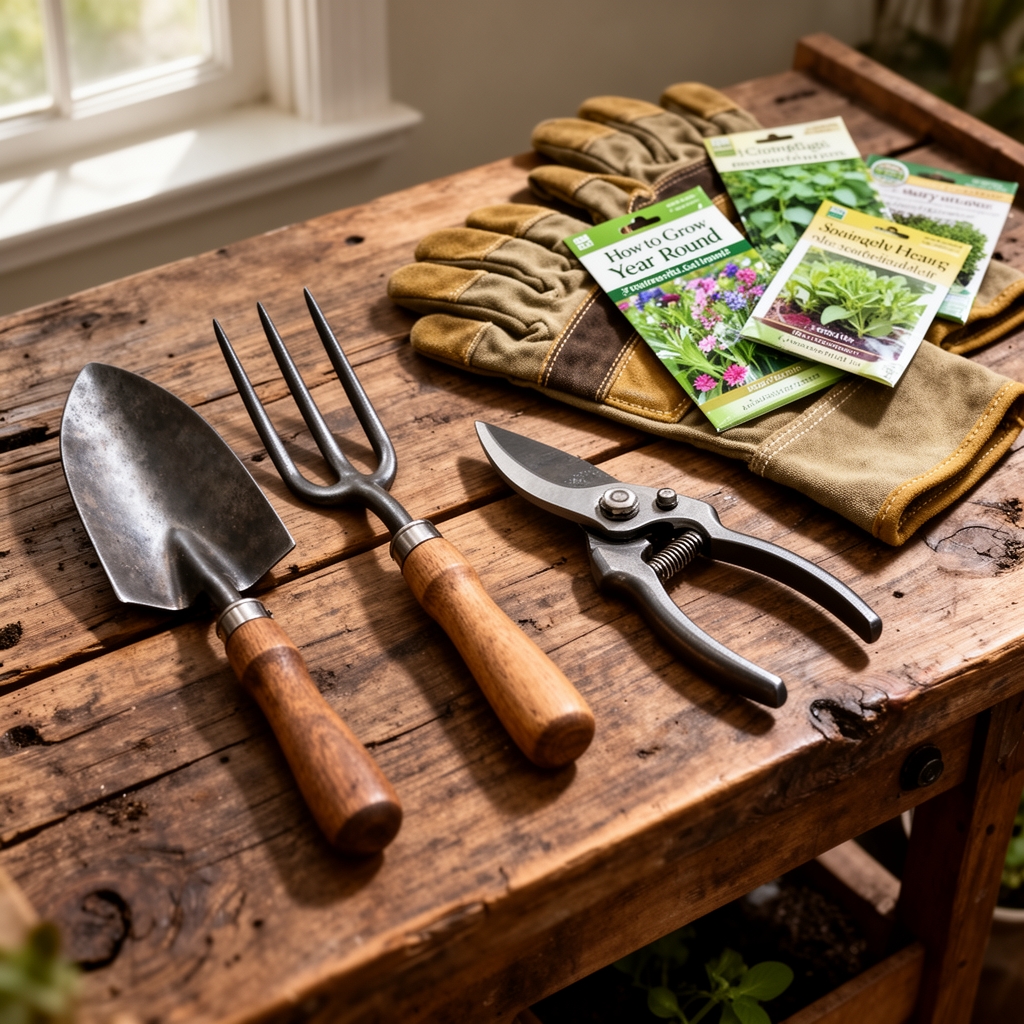
Materials
Growing Medium (pH 6.0–7.0)
Combine 3 parts coir or peat, 2 parts perlite, 1 part vermicompost. Cation exchange capacity should exceed 15 meq/100g to buffer nutrient swings during low-light winter months.
Base Fertilizer
Apply a 4-4-4 organic blend (feather meal, bone meal, kelp) at 2 pounds per 100 square feet before planting. Supplement with 5-10-10 granular during fruiting phases for solanaceous crops.
Inoculants
Endomycorrhizal fungi (Rhizophagus irregularis) at 100 spores per cubic inch of root zone. Apply at transplant to extend effective phosphorus acquisition.
Season Extension Hardware
Low tunnels with 6-mil greenhouse polyethylene, rigid polycarbonate cold frames (R-value 1.7), or insulated raised beds with 2-inch foam board perimeter insulation. Row cover in 0.55-ounce weight adds 2–4 degrees of frost protection.
Supplemental Lighting
Full-spectrum LEDs delivering 400–600 µmol/m²/s PPFD for 12–16 hours during winter. Position 12 inches above canopy for leafy greens, 18 inches for fruiting crops.
Timing
Year-round cultivation aligns sowing dates with photoperiod thresholds and thermal mass availability. In USDA Hardiness Zones 5–7, establish brassicas and alliums by August 15 for harvest through December. Zones 8–10 can direct-sow lettuce and spinach every three weeks from September through March without protection.
Indoor or fully enclosed systems eliminate frost-date dependency. Maintain root-zone temperatures of 55–65°F for cool-season crops, 70–80°F for warm-season. Monitor soil temperature 4 inches deep using a digital probe. Germination of peppers and tomatoes ceases below 60°F regardless of air temperature.
Succession planting every 14–21 days prevents gaps. Track cumulative growing degree days (base 50°F for brassicas, base 60°F for cucurbits) to predict harvest windows. A crop requiring 800 GDD planted on October 1 in Zone 7 will mature in late December if protected structure adds 5–8 GDD per day.
Phases
Sowing
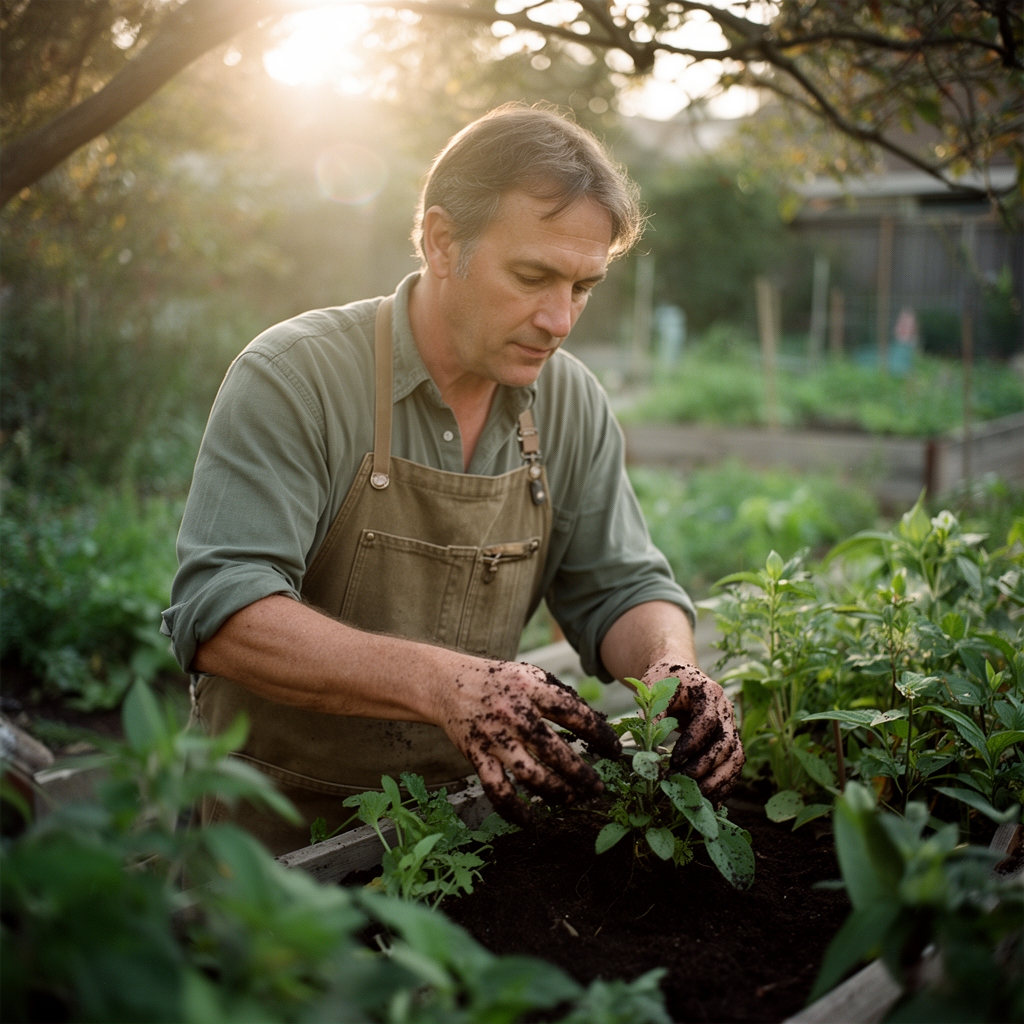
Start seeds in 72-cell trays filled with sterile seed-starting mix (peat and vermiculite, no added fertility). Maintain 70–75°F bottom heat using resistance mats. Emerge brassicas in 4–7 days, solanaceous crops in 7–14 days. Provide light immediately upon cotyledon emergence to prevent etiolation.
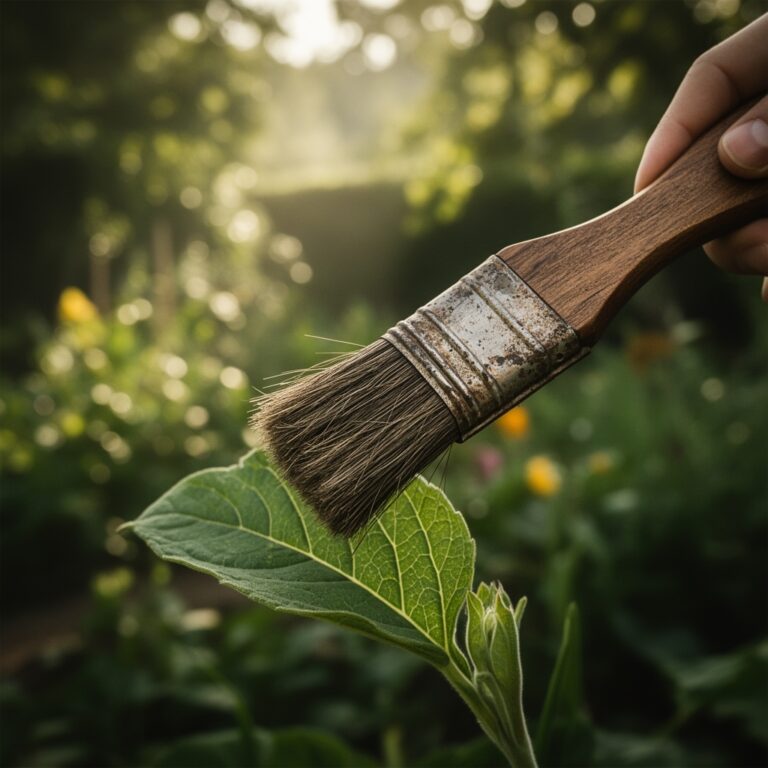
Pro-Tip: Brush seedling tops daily with a rigid card for 30 seconds to stimulate thigmomorphogenesis. This mechanical stress increases stem caliper by 15–20% and reduces transplant shock.
Transplanting
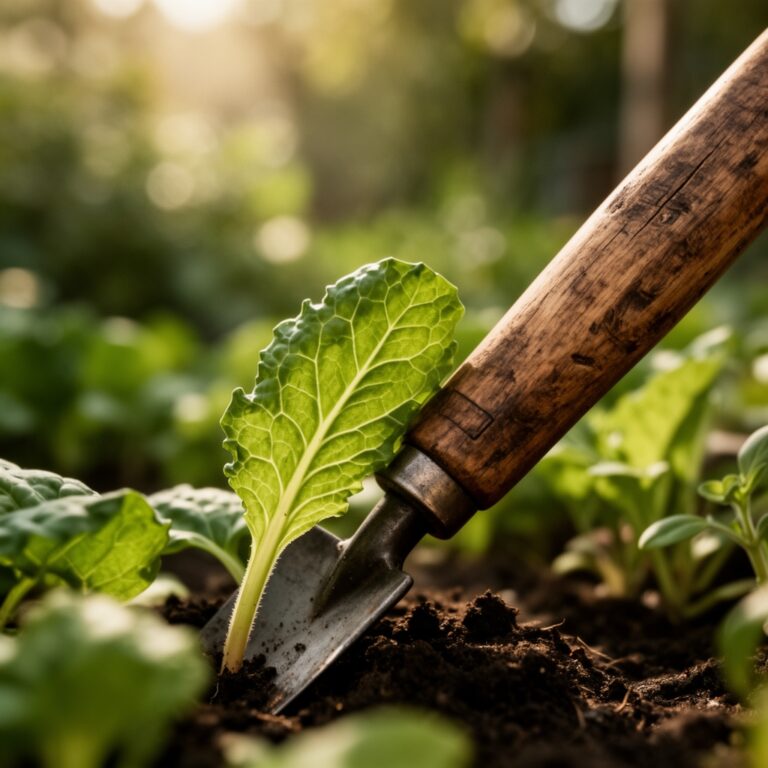
Move seedlings to final containers or beds when true leaves outnumber cotyledons 2:1. Bury tomato and pepper stems to the first true leaf node; adventitious roots form along buried stem tissue, improving nutrient uptake and anchorage. Water in with kelp extract solution (1 tablespoon per gallon) to supply cytokinins and reduce transplant lag.
Pro-Tip: Prune tomato seedlings at a 45-degree angle 1/4 inch above the node during transplant. Angled cuts shed moisture and reduce fungal entry points compared to flat cuts.
Establishing
Monitor auxin distribution by observing apical dominance. Pinch growing tips of basil and other herbaceous perennials at the fourth node to redirect auxin laterally, producing bushier architecture. Maintain soil moisture at 60–70% of field capacity during establishment (soil should form a ball when squeezed but leave no water film on palm).
Mulch perimeter with 1/2 inch of worm castings to suppress damping-off pathogens. Install trellis structures before vining crops exceed 6 inches to avoid root disturbance.
Pro-Tip: Foliar-feed with 1/4-strength fish emulsion (5-1-1) weekly during cloudy winter stretches. Stomatal uptake bypasses sluggish root activity in cold soil.
Troubleshooting
Symptom: Interveinal chlorosis on new growth
Solution: Manganese or iron deficiency. Drench with chelated iron (FeEDDHA) at 1 teaspoon per gallon. Confirm soil pH below 7.0; alkalinity locks out micronutrients.
Symptom: Blossom-end rot on tomatoes, peppers
Solution: Calcium transport failure. Maintain even soil moisture (no wet-dry cycles). Sidedress with gypsum (calcium sulfate) at 1 pound per 10 row-feet.
Symptom: Damping-off at soil line
Solution: Pythium or Rhizoctonia fungi. Increase air circulation to 40 CFM per square foot. Water only in morning. Drench with Bacillus subtilis biocontrol at label rate.
Symptom: Aphid colonies on undersides of leaves
Solution: Release lacewing larvae at 10 per plant or spray insecticidal soap (potassium salts of fatty acids) at 2% concentration. Repeat every 5 days for three applications.
Symptom: Tip burn on lettuce
Solution: Calcium deficiency or excessive transpiration. Lower nighttime temperatures by 5–7°F. Foliar spray calcium chloride at 1 gram per liter weekly.
Maintenance
Irrigate to deliver 1 inch of water per week, adjusted for canopy density and temperature. Use drip tape or soaker hoses to keep foliage dry. In heated structures, run irrigation in early morning to allow evaporation before nightfall.
Fertigate every 14 days with 150–200 ppm nitrogen solution (diluted fish emulsion or calcium nitrate). In hydroponic systems, maintain EC of 1.8–2.2 mS/cm for leafy greens, 2.4–2.8 for fruiting crops.
Prune determinates minimally. Remove suckers on indeterminate tomatoes below the first fruit cluster. Maintain single-stem training for maximum light interception in dense winter plantings.
Scout for pests twice weekly. Yellow sticky traps at canopy height capture whiteflies and fungus gnats. Threshold for intervention: 1 aphid per 10 leaves or 1 whitefly per trap per day.
FAQ
Can I grow tomatoes in winter without supplemental heat?
No. Tomatoes require minimum nighttime temperatures of 55°F for fruit set. Use heating mats or space heaters to maintain root-zone warmth.
What crops tolerate lowest light levels?
Leafy brassicas (kale, chard, mâche) and Asian greens (mizuna, tatsoi) grow adequately at 200–300 µmol/m²/s PPFD. Fruiting crops need 400+ µmol/m²/s.
How do I prevent bolting in winter greens?
Choose slow-bolt cultivars bred for long-day tolerance. Maintain temperatures below 70°F. Bolting is triggered by vernalization (cold exposure) followed by warming, not by daylength alone in most species.
Is daily watering necessary in winter?
No. Winter evapotranspiration rates are 40–60% lower than summer. Check soil moisture 2 inches deep. Water only when dry to the touch.
What is the minimum structure needed for Zone 6 winter growing?
A low tunnel (wire hoops and 6-mil polyethylene) over a south-facing raised bed extends the season 4–6 weeks on each end. Add row cover inside the tunnel for extreme cold events.