10 Basic Steps to Attract Honey Bees
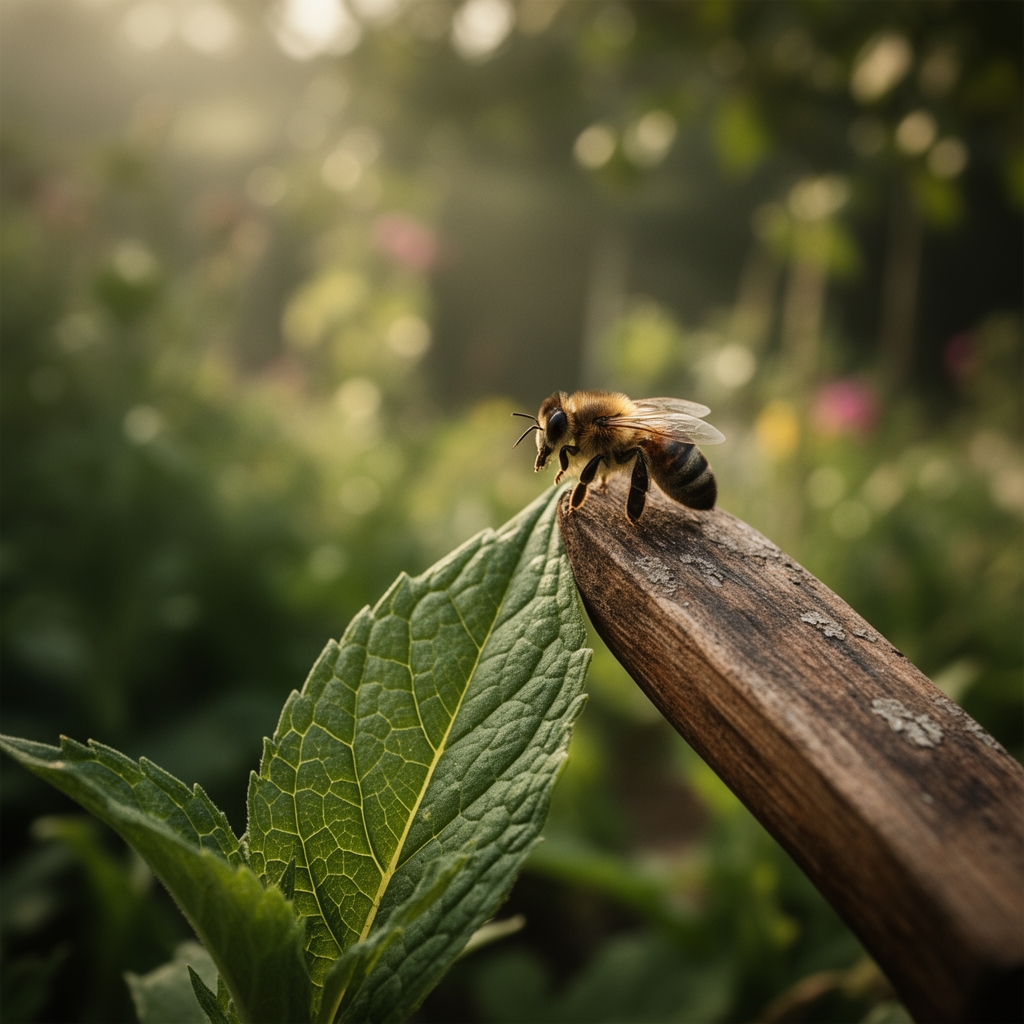
Honey bees navigate three miles from the hive, drawn by ultraviolet nectar guides invisible to human eyes. Every foraging flight depends on caloric profit: a single worker must harvest nectar with at least 30% sugar content to justify energy expenditure. The steps to attract honey bees begin with understanding their sensory biology, then engineering a landscape that satisfies nutritional demand across the entire growing season. Native pollinators and managed Apis mellifera colonies require overlapping bloom windows, accessible pollen morphology, and specific phytochemical signatures. When you master these elements, your garden becomes a forage resource that supports colony health from early spring through hard frost.
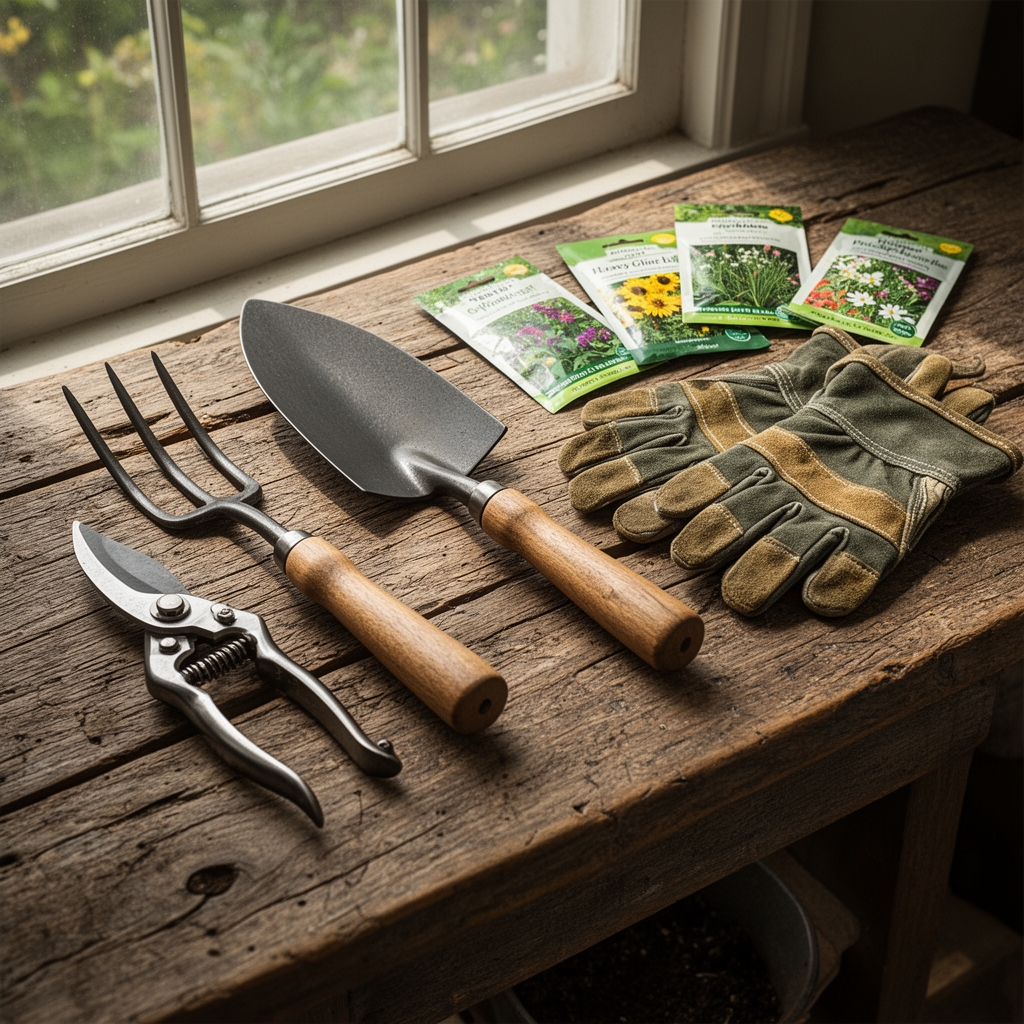
Materials
Plant selection drives success. Choose at least twelve species spanning cool-season and warm-season bloom periods. Early sources include Crocus cultivars (March-April, zones 3-8), Salix species with catkins rich in pollen (March-April), and Pulmonaria officinalis (April-May). Mid-season anchors require Nepeta x faassenii, Lavandula angustifolia, and Echinacea purpurea (June-August). Late forage must include Solidago rugosa, Symphyotrichum novae-angliae, and Helenium autumnale (September-October).
Soil preparation requires pH 6.2-7.0 for most bee-attracting perennials. Amend with compost at 2 cubic feet per 100 square feet to achieve cation exchange capacity above 10 meq/100g. Apply granular organic fertilizer with NPK ratio 4-4-4 or 5-3-3 at 2 pounds per 100 square feet. Avoid high-nitrogen synthetic formulas (e.g., 30-10-10) which promote vegetative growth at the expense of floral density. Incorporate mycorrhizal inoculant (Glomus species) at transplant to enhance phosphorus uptake and drought tolerance.
Water sources matter. Install shallow dishes with pebbles or floating cork pieces. Bees drown easily; landing platforms are non-negotiable. Replace water every 48 hours to prevent mosquito larvae.
Timing
Zone 5 gardeners begin direct-sowing cold-hardy annuals (Phacelia tanacetifolia, Borago officinalis) two weeks before last frost date. Zone 7 schedules move three weeks earlier. Bare-root perennials require fall planting (September 15-October 30 in zones 5-6) to allow root establishment before winter dormancy. Container-grown perennials tolerate spring installation (April 15-May 30) if irrigated consistently through the first growing season.
Succession planting extends forage windows. Sow Phacelia every 14 days from April through June. Plant three Agastache cultivars with staggered bloom peaks: 'Blue Fortune' (July-August), 'Black Adder' (August-September), and late-season 'Bolero' (September-October). This creates unbroken pollen and nectar availability.
Phases
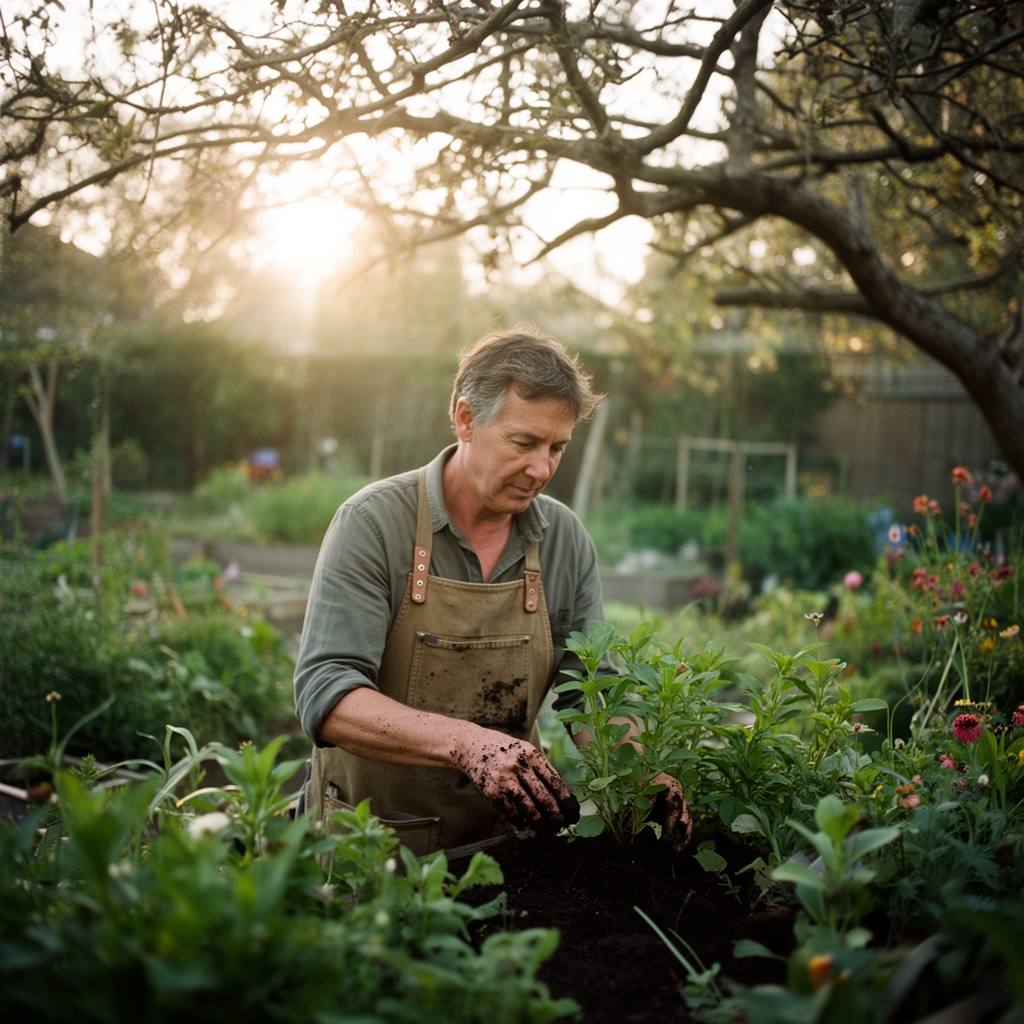
Sowing Phase: Direct-seed annuals in prepared beds raked to 0.25-inch aggregate size. Phacelia requires light for germination; press seeds into soil surface without covering. Borago tolerates 0.5-inch depth. Maintain soil moisture at field capacity (squeeze test: soil forms a ball but does not drip) for 10-14 days. Germination occurs at soil temperatures of 55-65°F.
Pro-Tip: Coat Borago seeds in powdered clay slurry before sowing. This increases seed-to-soil contact and accelerates germination by 3-4 days.
Transplanting Phase: Move container-grown perennials when root systems show white tip growth but before circling begins. Dig holes 1.5 times root ball width. Position crown at grade level; planting too deep disrupts auxin distribution and delays flowering. Backfill with native soil mixed 50:50 with compost. Create a 3-inch-high soil ring 12 inches from crown to direct water into root zone.
Pro-Tip: Prune Nepeta and Agastache stems to 4 inches at transplant. This forces branching at a 45-degree angle, doubling eventual flower spike production.
Establishing Phase: Apply 2-3 inches of shredded hardwood mulch around plants, keeping a 2-inch clearance from stems to prevent crown rot. Water deeply (1.5 inches) immediately after mulching, then reduce to twice weekly until new growth reaches 6 inches. Fertilize six weeks post-transplant with fish emulsion diluted to half-strength (2-2-2 effective NPK).
Pro-Tip: Inoculate root zones with Trichoderma harzianum during establishment. This beneficial fungus colonizes root surfaces, suppressing Pythium and Rhizoctonia while enhancing nutrient uptake.
Troubleshooting
Symptom: Abundant foliage, sparse blooms.
Solution: Excess nitrogen. Withhold fertilizer for 8 weeks. Top-dress with wood ash (potassium source) at 1 pound per 100 square feet to shift NPK balance toward flowering.
Symptom: Powdery white coating on Monarda or Phlox leaves (powdery mildew).
Solution: Increase air circulation by thinning stems to 6-inch spacing. Spray with 0.5% potassium bicarbonate solution weekly for three weeks. Replace susceptible cultivars with resistant selections ('Jacob Cline' Monarda, 'David' Phlox).
Symptom: Bees ignoring blooms.
Solution: Check for neonicotinoid contamination in purchased plants. Residues persist 18-24 months. Source from certified organic nurseries or propagate from seed.
Symptom: Sudden wilting despite adequate moisture (Verticillium wilt).
Solution: No cure exists. Remove affected plants with surrounding soil to 12-inch depth. Solarize area with clear plastic for 6 weeks. Replant with wilt-resistant species (Lavandula, Salvia).
Maintenance
Deadheading extends bloom periods but reduces late-season forage. Leave final flush intact for autumn pollinators. Cut perennials to 4-inch stubs after hard frost (28°F or below for two consecutive hours). Do not remove stems earlier; hollow canes provide overwintering sites for native bees.
Irrigate established plantings with 1 inch of water weekly during bloom. Use drip irrigation or soaker hoses to keep foliage dry, reducing fungal disease pressure. Fertilize perennials annually in early spring with 3 pounds of 5-10-5 per 100 square feet.
Divide Nepeta, Echinacea, and Agastache every 3-4 years when centers become woody. Replant vigorous outer sections with 18-inch spacing.
FAQ
How many plants attract honey bees?
Minimum 3 square feet of bloom per hive within a half-mile radius. Home gardens should provide at least 30 square feet of continuous flowering across nine months.
Do honey bees prefer specific colors?
They detect ultraviolet, blue, and yellow wavelengths. White flowers often display UV nectar guides invisible to humans. Red appears black unless UV-reflective.
Can I attract bees without perennials?
Yes. Annuals like Phacelia, Borago, Cosmos bipinnatus, and Zinnia elegans provide abundant forage in a single season.
Should I avoid hybridized cultivars?
Double-flowered forms often lack accessible pollen and nectar. Select single-flowered cultivars with visible stamens.
When do honey bees stop foraging?
Activity ceases below 50°F ambient temperature. Late-blooming Solidago and Symphyotrichum support final pollen collection before winter clustering.