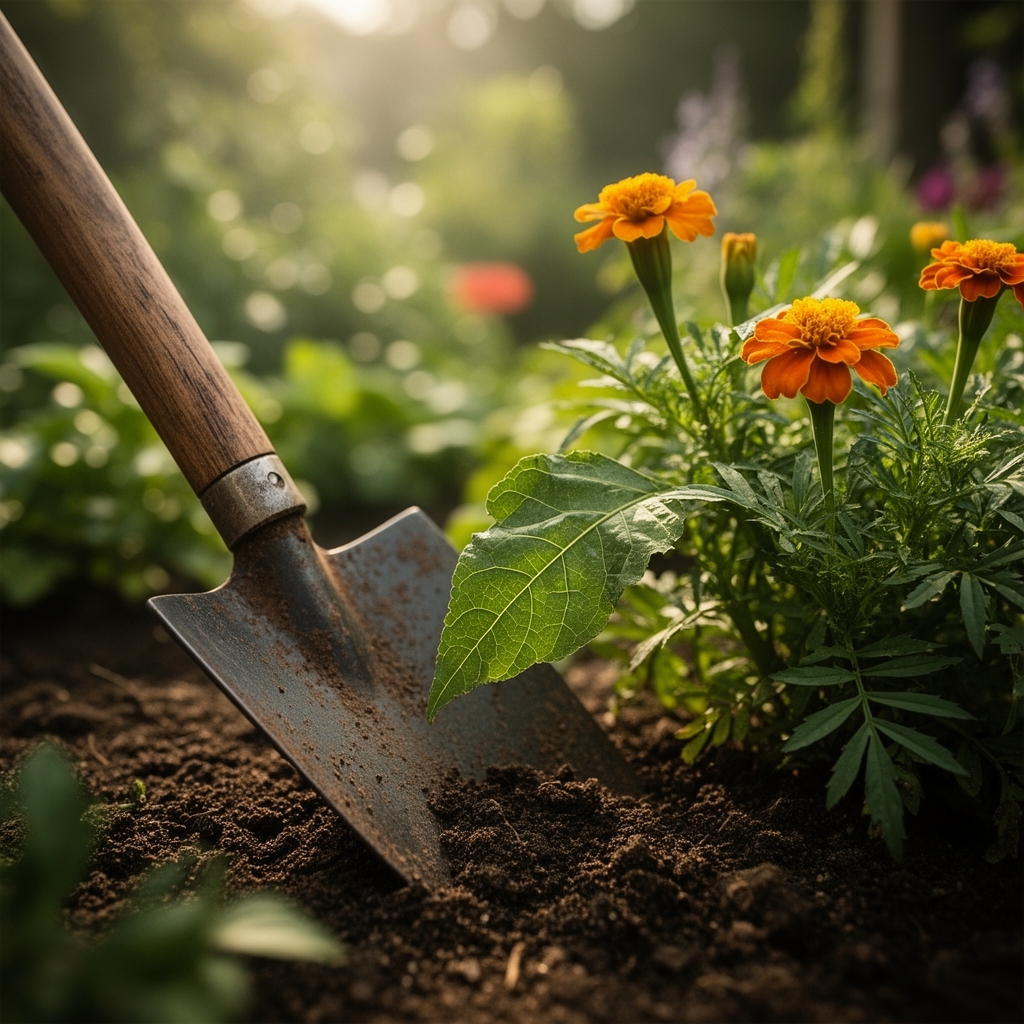
10 Basic Steps to Plant Marigolds
Marigolds carry the scent of sun-warmed leaves and pepper, a smell that clings to your fingers and announces summer before the garden gate clicks shut. Following clear steps to plant marigolds guarantees blooms from June until hard frost, transforming beds, borders, and containers into repeating waves of gold, orange, and mahogany. These plants, Tagetes patula and Tagetes erecta, descend from Aztec ceremonial gardens and tolerate heat, poor soil, and neglect better than most ornamentals. When you master the steps to plant marigolds, you secure a crop that suppresses root-knot nematodes, attracts hoverflies for aphid control, and demands minimal intervention once established.
Materials
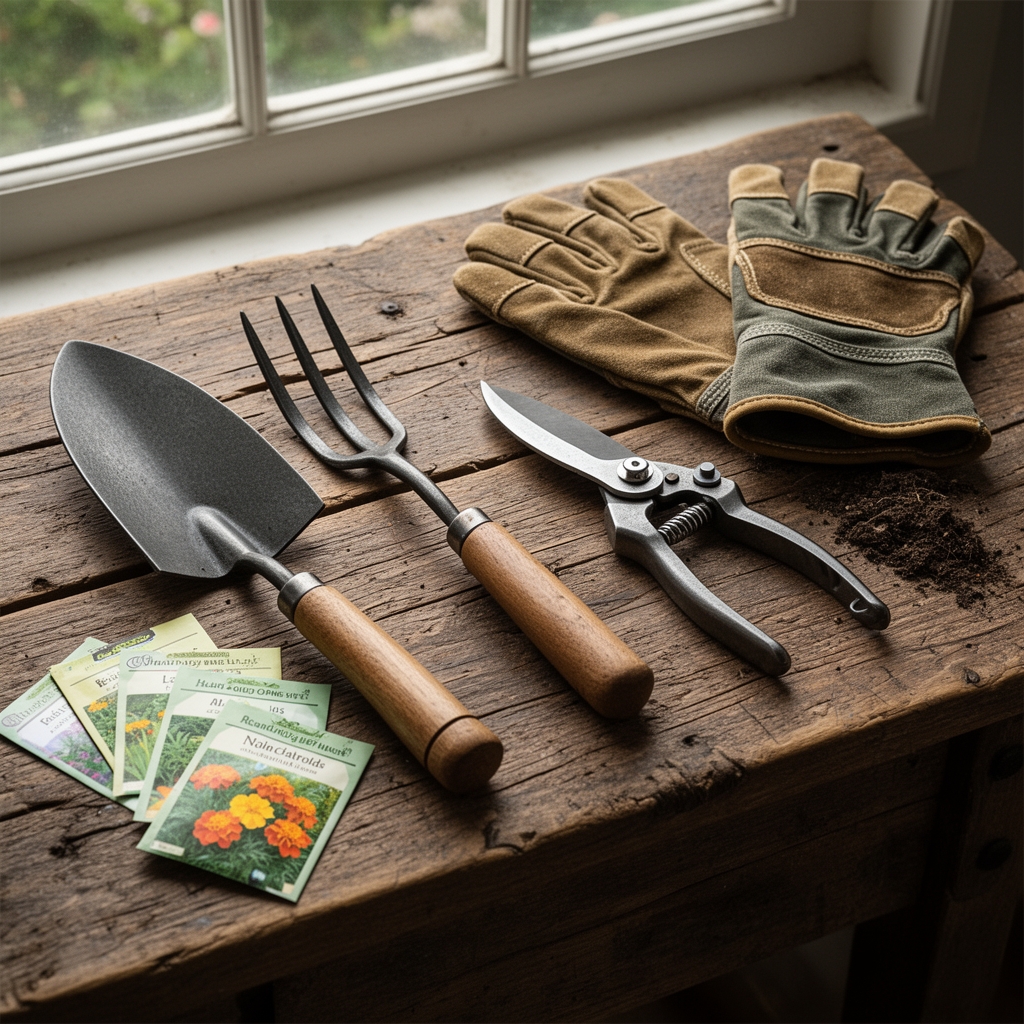
Marigolds thrive in soil with a pH between 6.0 and 7.0. Test your soil before amending. If pH drops below 5.8, incorporate dolomitic lime at 5 pounds per 100 square feet. If it climbs above 7.2, work in elemental sulfur at 1 pound per 100 square feet.
Choose a balanced organic fertilizer with an NPK ratio near 4-4-4 or 5-5-5. Alfalfa meal, composted poultry manure, and bone meal blends supply nitrogen without promoting excessive foliage at the expense of flowers. Synthetic fertilizers with higher nitrogen ratios, such as 10-5-5, encourage leggy growth and delay blooming.
Collect these additional materials: seed-starting mix with vermiculite for moisture retention, 2-inch or 4-inch biodegradable pots, a soil thermometer, and mycorrhizal inoculant powder. The inoculant colonizes roots and increases phosphorus uptake by 30 to 40 percent, shortening transplant shock from seven days to three.
Timing
Marigolds germinate when soil temperatures reach 70 degrees Fahrenheit. In Zones 3 through 5, direct-sow seeds two weeks after the last spring frost, typically mid-May. Start seeds indoors six weeks before transplanting outdoors.
In Zones 6 and 7, direct-sow in late April or early May. Transplant nursery starts or indoor seedlings after soil warms to 65 degrees.
In Zones 8 through 10, sow seeds in March for spring bloom or in September for fall and winter color. Marigolds tolerate light frost but stop setting buds when night temperatures fall below 40 degrees consistently.
For succession planting, sow new seeds every three weeks through midsummer. This strategy extends flowering until October in northern zones and December in southern regions.
Phases

Sowing: Prepare the seedbed by loosening soil to a depth of 8 inches. Rake the surface smooth. Scatter seeds 1 inch apart and cover with 1/4 inch of fine soil. Tamp lightly to ensure contact. Water with a mist setting to avoid displacing seeds. Germination occurs in 4 to 7 days when soil remains at 70 to 75 degrees.
Pro-Tip: Dust seeds with mycorrhizal inoculant before sowing. The fungi form symbiotic relationships with root hairs, increasing cation exchange capacity and nutrient availability in soils with low organic matter.
Transplanting: Transplant seedlings when they develop two sets of true leaves, usually 14 to 21 days after germination. Dig holes 8 to 12 inches apart for French marigolds (Tagetes patula) and 12 to 18 inches apart for African marigolds (Tagetes erecta). Place the root ball level with the surrounding soil. Backfill and firm gently. Water immediately with 1 cup per plant to settle roots and eliminate air pockets.
Pro-Tip: Pinch the terminal bud at transplant time. This removes apical dominance, redirecting auxin distribution to lateral buds and producing bushier plants with 20 to 30 percent more flowers.
Establishing: Mulch around plants with 2 inches of shredded bark or straw, keeping mulch 2 inches away from stems to prevent rot. Monitor soil moisture daily for the first week. Once new growth appears, typically 5 to 7 days post-transplant, reduce watering frequency. Marigolds develop taproots that reach 10 to 14 inches deep, accessing moisture unavailable to shallow-rooted annuals.
Pro-Tip: Apply foliar seaweed extract at 1 tablespoon per gallon during establishment. Cytokinins in the extract stimulate cell division, accelerating root regeneration and reducing transplant lag by 40 percent.
Troubleshooting
Symptom: Yellowing lower leaves with green veins. Solution: Iron deficiency caused by alkaline soil. Drench with chelated iron at 1 tablespoon per gallon. Lower pH long-term with sulfur.
Symptom: Powdery white coating on leaves. Solution: Powdery mildew from poor air circulation. Space plants wider. Spray with 1 tablespoon baking soda per quart of water weekly.
Symptom: Stippled, bronze leaves with fine webbing. Solution: Spider mites. Spray undersides of leaves with insecticidal soap at label rates every 5 days for three applications.
Symptom: Stunted plants with galls on roots. Solution: Root-knot nematodes. Remove infested plants. Rotate with grasses or brassicas next season. Ironically, marigold roots suppress these pests after decomposition.
Symptom: Flowers fail to open; buds turn brown. Solution: Botrytis blight from high humidity. Remove affected buds. Water at soil level, not overhead. Improve drainage.
Maintenance
Water established marigolds with 1 inch per week during dry spells. Use a rain gauge to measure. Overwatering promotes root rot and reduces flowering.
Deadhead spent blooms by pinching below the flower head. This prevents seed set and extends the blooming period by 4 to 6 weeks. Leave the last flush of flowers in autumn to self-sow for next season.
Fertilize every 4 weeks with liquid fish emulsion at half-strength (1 tablespoon per gallon). Full-strength feeds encourage foliage over blooms.
FAQ
Can I start marigolds from cuttings? No. Marigolds are annuals grown from seed. Cuttings lack the vigor and structure to produce flowering plants.
Do marigolds repel mosquitoes? The plant itself does not. Crushed leaves release limonene and tagetone, which deter some insects, but intact plants in beds offer no mosquito control.
How long do marigolds bloom? From first flower to frost, typically 12 to 16 weeks. Succession planting and deadheading maximize this window.
Are marigolds toxic to pets? Mild gastrointestinal upset may occur if ingested in large quantities. Keep pets from chewing foliage.
Can I save marigold seeds? Yes. Allow seed heads to dry on the plant. Harvest when brown and crisp. Store in paper envelopes in a cool, dry location for up to 3 years.