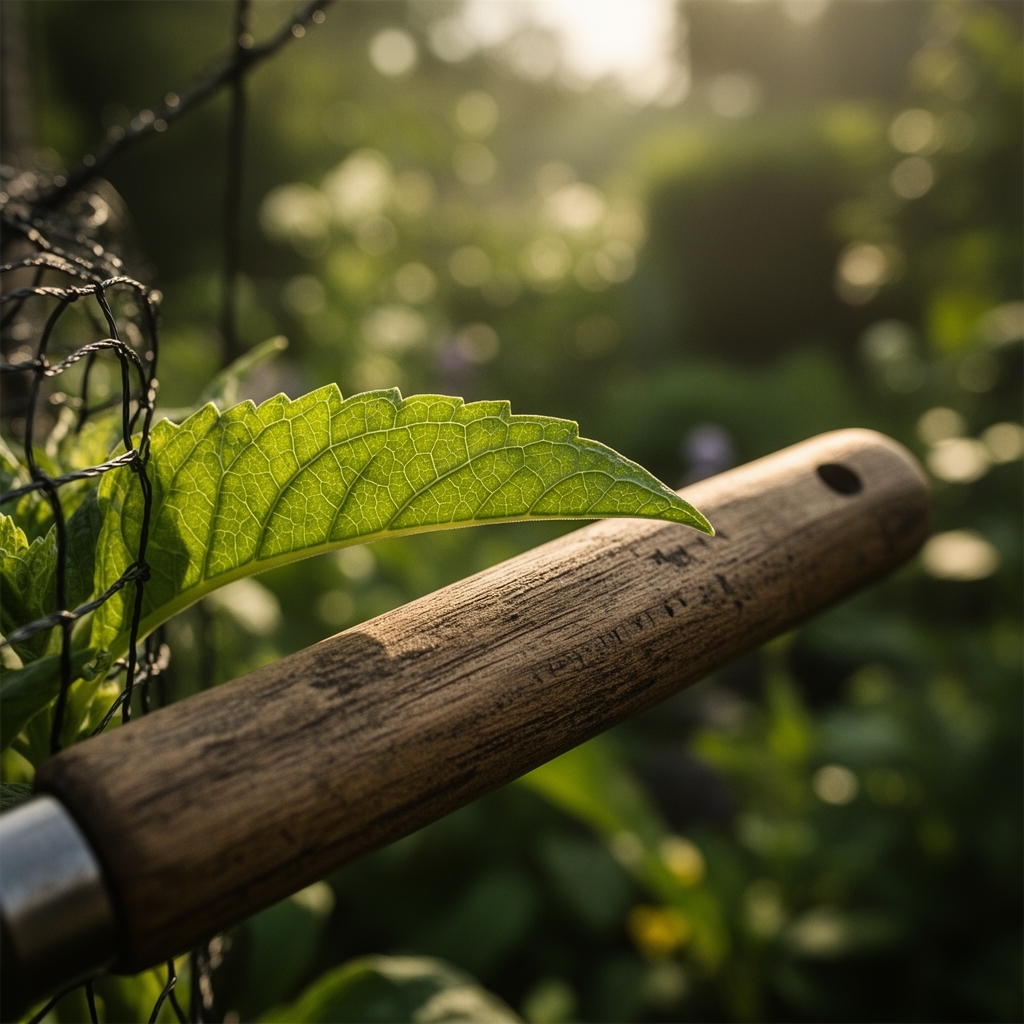
8 Simple Ways How to Use Barrier Netting
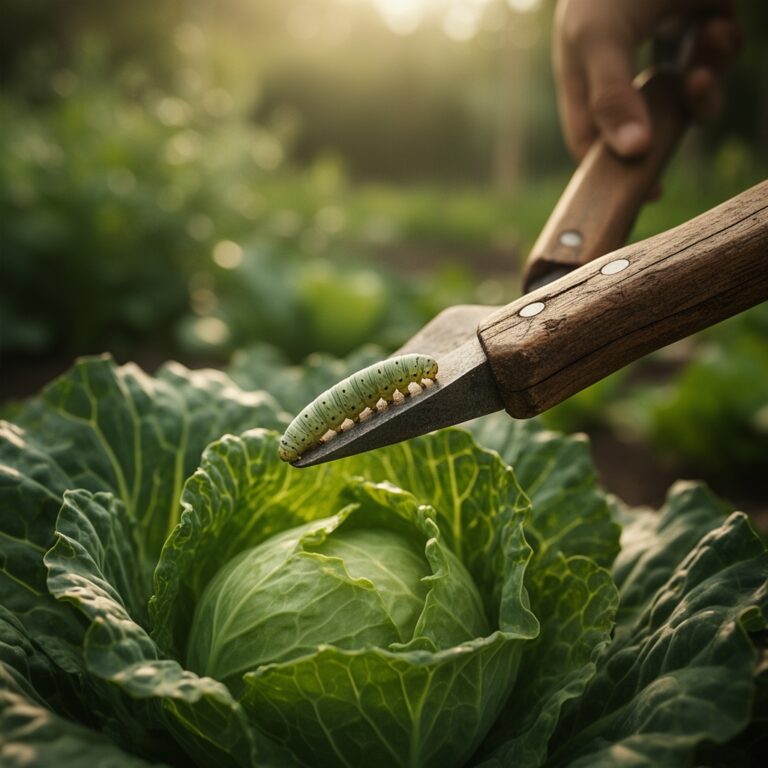
Barrier netting transforms a vulnerable garden into a fortress against pests, wind, and birds. Knowing how to use barrier netting correctly means the difference between perforated leaves and pristine harvests. This lightweight polymer mesh acts as a physical barrier, reducing insect pressure by up to 95% without chemical intervention. The mesh allows air circulation and light penetration while blocking thrips, aphids, flea beetles, and cabbage moths from accessing your crops. Commercial growers have documented yield increases of 23% in brassica plots when netting is installed within 48 hours of transplanting.
Materials
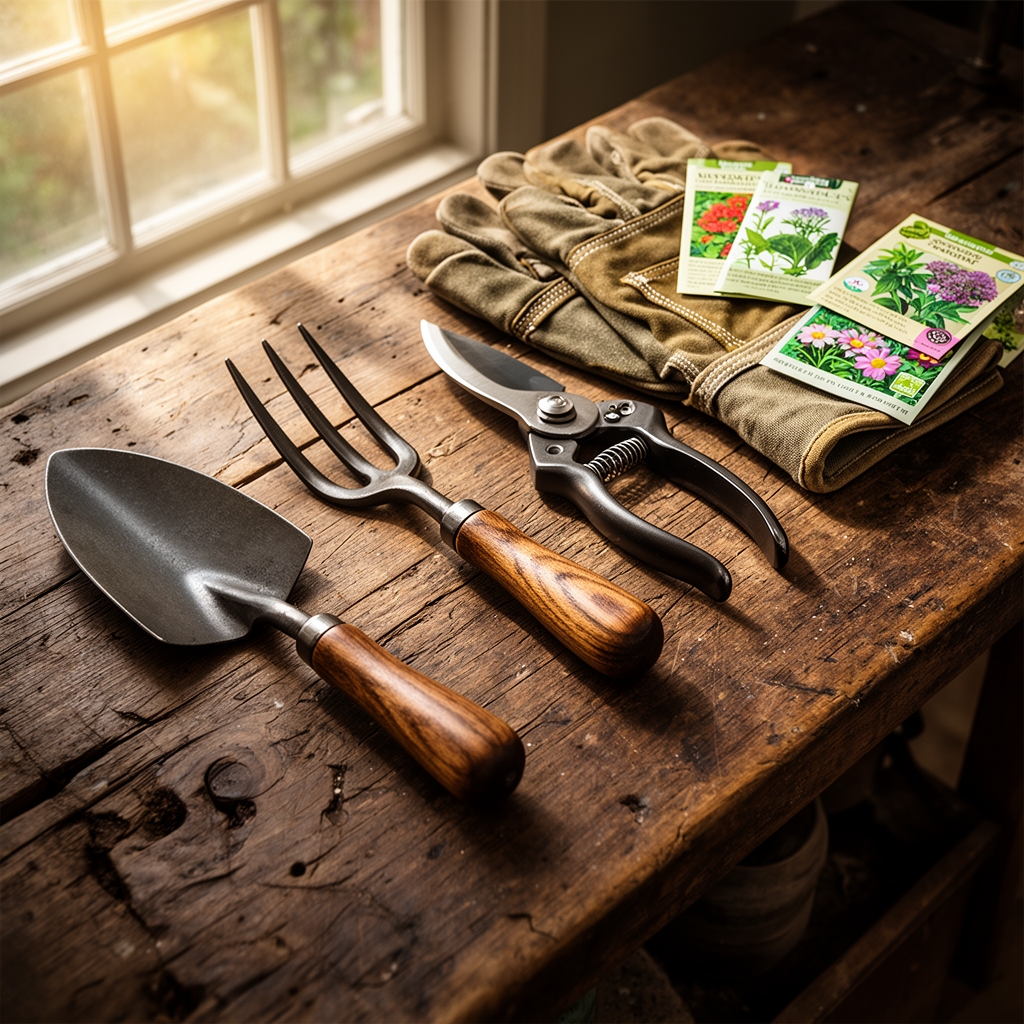
Select mesh size according to target pests. For aphids and thrips, use 0.6mm aperture insect netting. For bird exclusion, 12mm square mesh suffices. Butterfly and moth exclusion requires 1.3mm mesh.
Prepare soil to pH 6.2-6.8 before installation. Amend with a balanced 4-4-4 organic blend at 2 pounds per 100 square feet. Incorporate aged compost at 1 cubic yard per 200 square feet to improve cation exchange capacity and moisture retention. The organic matter feeds mycorrhizal fungi networks that enhance nutrient uptake through root symbiosis.
Anchor materials include 6-inch ground staples, bamboo hoops spaced 4 feet apart, or PVC conduit bent into arches. For permanent installations, use UV-stabilized netting rated for 5-year outdoor exposure. Budget options degrade within 18 months under full sun.
Purchase netting 2 feet wider and longer than your bed dimensions. Overlap edges by 12 inches minimum to prevent pest infiltration at seams. White netting reflects 15% more light than green varieties, beneficial in Zone 3-5 growing seasons where photosynthetically active radiation limits growth.
Timing
Install barrier netting according to hardiness zone and pest emergence patterns. In Zones 7-9, erect netting in late February for spring brassicas, three weeks before average last frost. Carrot rust fly populations peak in late April across coastal Zone 8, requiring installation by April 1.
For summer crops in Zones 4-6, install netting immediately after transplanting tomatoes, typically May 15-June 1. Hornworm moths begin laying eggs when soil temperatures reach 60°F at 4-inch depth.
Autumn installations protect late-season greens. In Zone 6, cover lettuce and spinach by September 10 to exclude imported cabbageworm butterflies completing their third generation.
Monitor degree days for precision timing. Onion thrips emerge at 400 accumulated degree days (base 50°F). Flea beetles activate at 200 degree days. Reference local extension office phenology models for species-specific thresholds.
Phases

Sowing Phase
Direct-seed crops benefit from immediate netting. After broadcasting carrot or radish seed, firm soil with a board to ensure seed-to-soil contact. Irrigate with 0.5 inches of water to activate germination. Install hoops before seeds germinate, preventing root disturbance from later installation.
Stretch netting taut over hoops and anchor every 18 inches using ground staples or soil mounded 6 inches high along edges. Bury the perimeter 3 inches deep to block rodent access. Check for gaps where wind could lift edges.
Pro-Tip: Apply Bacillus thuringiensis var. kurstaki (Btk) at labeled rates two days before netting installation to eliminate any existing larvae populations. Residual activity persists for 5-7 days on foliage surfaces.
Transplanting Phase
Harden off seedlings for 7 days before transplanting under netting. The reduced wind exposure beneath mesh means less mechanical stress on stems, but auxin distribution adapts poorly if plants lack prior wind stimulation.
Transplant in late afternoon or on overcast days to minimize transplant shock. Water each transplant with 8 ounces of starter solution containing 3-1-2 NPK ratio. Install netting within 2 hours of transplanting to prevent early pest colonization.
Space hoops so netting does not touch foliage. Contact points create condensation, promoting Botrytis and downy mildew. Maintain 12 inches of clearance above mature plant height projections.
Pro-Tip: Introduce beneficial insects like parasitic wasps (Trichogramma species) before sealing the netting. Release 5,000 wasps per 1,000 square feet. These biocontrol agents reproduce inside the enclosed space, creating a sustained defense system.
Establishing Phase
Monitor internal temperatures during establishment. Netting can raise ambient temperature by 4-7°F on sunny days. Provide supplemental irrigation when soil moisture drops below 65% field capacity at root depth.
Remove netting for 30 minutes during peak pollinator hours if crops require insect pollination. Cucurbits need bee access from 8-11 AM when pollen viability peaks.
Prune any growth protruding through mesh to prevent restriction damage as stems thicken. Check weekly for binding at attachment points.
Pro-Tip: Foliar feed with kelp extract (0-0-1 analysis) at 1 tablespoon per gallon every 14 days. The cytokinins in kelp promote lateral branching, increasing yield per plant by 18% in confined growing spaces.
Troubleshooting
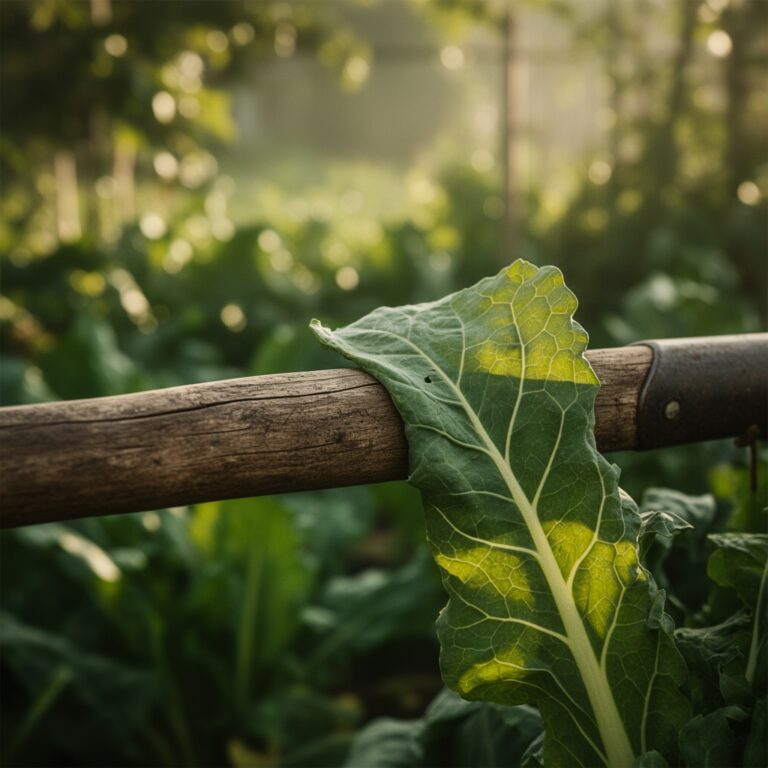
Symptom: Yellowing lower leaves, stunted growth under netting.
Solution: Reduced airflow concentrates CO2 depletion zones. Remove netting every 3 days for 1 hour to refresh air. Increase soil nitrogen with blood meal (12-0-0) at 1 cup per 50 square feet.
Symptom: Fungal spots appearing on leaf margins.
Solution: Excess humidity under mesh. Install ventilation panels using 0.3mm mesh on sidewalls. Water only at soil level using drip irrigation. Reduce watering frequency by 30%.
Symptom: Plants leaning toward light, elongated stems.
Solution: White or light-colored netting reduces this response. Rotate netting 90 degrees weekly to equalize light distribution. Supplement with reflective mulch beneath plants.
Symptom: Slugs proliferating under netting.
Solution: The moisture-retentive environment favors mollusks. Apply diatomaceous earth in 2-inch bands around bed perimeters. Hand-pick at dusk when slugs emerge.
Symptom: Netting sagging onto plants after rain.
Solution: Inadequate hoop support. Add intermediate hoops to reduce span to 3 feet maximum. Use 1/2-inch diameter supports minimum for weight distribution.
Maintenance
Water barrier-netted beds with 1 inch per week through drip lines or soaker hoses. Overhead irrigation weighs down netting and promotes disease. Check soil moisture at 4-inch depth using a probe or moisture meter twice weekly.
Inspect netting for tears every 5 days. Repair holes exceeding 0.25 inches using adhesive mesh patches or thread and needle for agricultural textiles. A single 1-inch tear admits 40-60 moths per night.
Fertilize monthly with side-dressed applications of 5-5-5 granular fertilizer at 0.5 pounds per 25 feet of row. Avoid high-nitrogen formulations exceeding 10-5-5 ratios, which promote excessive vegetative growth and pest-attracting succulent tissue.
Remove netting when pest pressure ends, typically after first frost for most insects. Clean netting with water and 2% bleach solution. Dry completely before storage to prevent mold. Fold without creasing and store in rodent-proof containers away from UV exposure.
FAQ
How long does barrier netting last?
UV-stabilized netting lasts 4-6 seasons with proper care. Budget netting degrades within 2 years under full sun. Store netting indoors during winter to extend lifespan.
Can barrier netting replace pesticides entirely?
For physical pest barriers, yes. It eliminates 90-98% of targeted flying insects. Soil-dwelling pests like cutworms require additional controls such as Bacillus thuringiensis or beneficial nematodes.
Does netting affect pollination?
Yes. Remove netting during morning hours for bee-pollinated crops. Self-pollinating plants like tomatoes and beans require no removal. Wind-pollinated corn needs periodic removal for pollen dispersal.
What mesh size for different pests?
Aphids and thrips require 0.6mm. Flea beetles need 0.8mm. Cabbage moths and butterflies need 1.3mm. Birds need 12mm minimum. Smaller apertures reduce light transmission by 8-15%.
How do I prevent wind damage?
Anchor every 15-18 inches along all edges. Use earth staples or bury perimeter 3-4 inches deep. Add intermediate support hoops every 3-4 feet. Check tension after storms and re-secure loose sections immediately.