5 Quick Steps to Prevent Damping Off
Damping off destroys seedling trays overnight. A healthy flat of tomatoes or basil collapses at soil level, stems blackened and water-soaked by dawn. This fungal disease, caused primarily by Pythium, Rhizoctonia, and Fusarium species, thrives in saturated media with poor air circulation. Understanding the steps to prevent damping off begins with recognizing that prevention must start before sowing. Once symptoms appear, infected seedlings rarely recover. Control relies on five integrated practices that manipulate moisture, temperature, microbial competition, and substrate chemistry.
Materials
Selecting the right components reduces pathogen populations before seeds germinate.
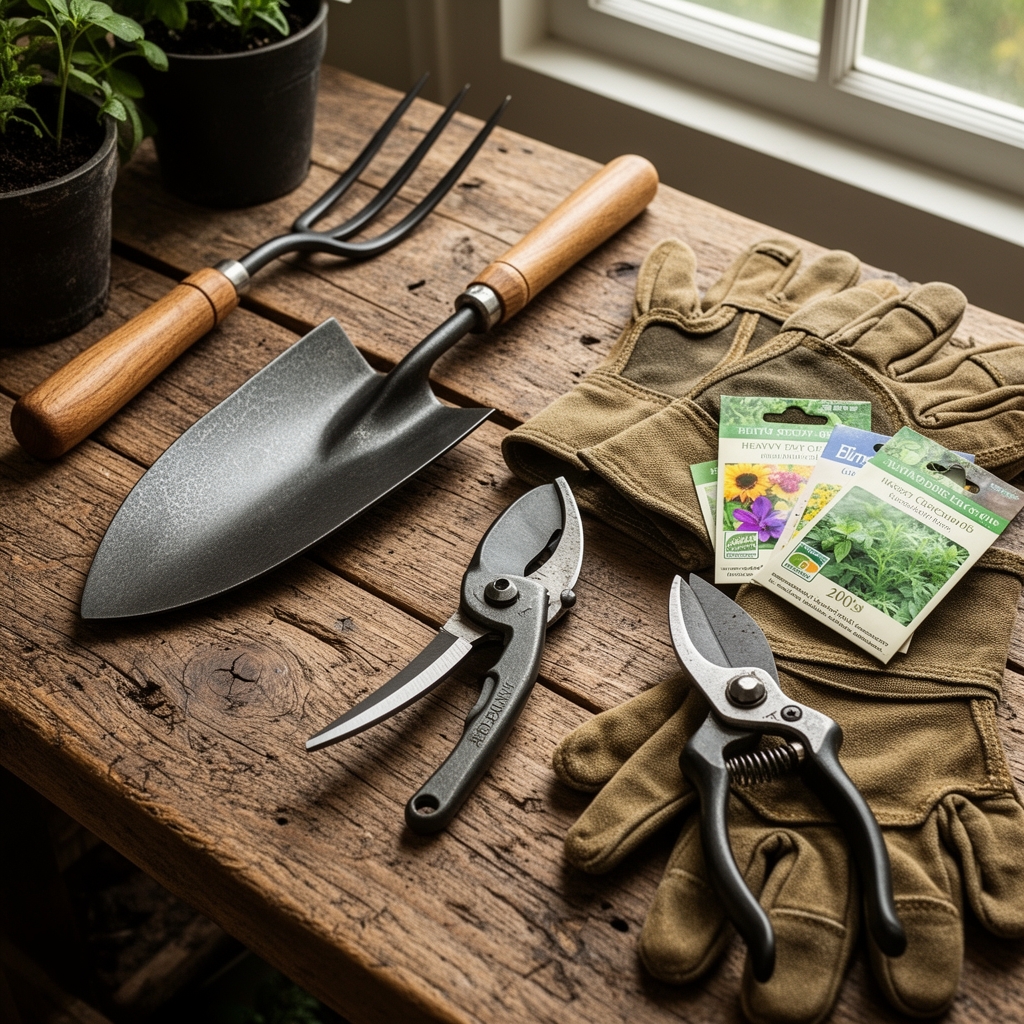
Sterile Seed-Starting Mix: Use peat-based or coir-based blends with perlite at a 2:1 ratio. Target pH between 5.5 and 6.2. Avoid garden soil or unsterilized compost, which harbor dormant fungal spores and nematodes. Commercial mixes labeled for seed starting are pasteurized to eliminate most pathogens.
NPK Fertilizer (Low Nitrogen): Apply a dilute 2-3-2 solution at 50 ppm nitrogen after true leaves emerge. Excess nitrogen before lignification promotes soft, succulent tissue that invites fungal penetration. Avoid blood meal or fish emulsion in the first two weeks.
Hydrogen Peroxide (3%): Dilute to 1 part peroxide with 10 parts water for pre-sowing seed treatment. This oxidizes surface pathogens without damaging embryos. Soak seeds 10 minutes, rinse, and sow immediately.
Chamomile Tea: Brew 2 tablespoons dried Matricaria chamomilla flowers per quart of boiling water. Cool and apply as a soil drench. Chamomile contains antifungal compounds that suppress Pythium while promoting beneficial Trichoderma colonization.
Airflow Equipment: Position an oscillating fan to deliver continuous, gentle movement across seedling canopies. Target air speed of 0.5 to 1 meter per second. This reduces humidity at the stem-soil interface where pathogens proliferate.
Timing
Synchronize sowing with ambient conditions that favor rapid germination and discourage fungal growth.
Indoor Starting: Begin 6 to 8 weeks before the last spring frost date for warm-season crops (tomatoes, peppers, eggplants). Zones 3-5 target mid-March; Zones 6-8 target late February. Soil temperature in the flat should stabilize at 70-75°F. Use heat mats beneath trays to maintain this range, as cooler substrates delay germination and prolong vulnerability.
Direct Sowing Outdoors: Wait until soil temperature at 2-inch depth reaches 60°F minimum. In Zones 9-11, autumn sowing during October and November capitalizes on lower ambient humidity and reduced pathogen pressure. Spring sowings in these zones face higher risk due to warm, moist conditions.
Phases
Sowing
Moisten the seed-starting mix until it clumps when squeezed but does not drip. Sow seeds at the depth specified on the packet, typically 2-3 times seed diameter. Cover trays with clear plastic domes to retain moisture, but remove domes immediately upon first cotyledon emergence. Extended coverage raises humidity above 90%, creating ideal conditions for Pythium sporangia to release zoospores.
Pro-Tip: Dust seeds with Trichoderma harzianum powder (T-22 strain) at a rate of 0.1 gram per 100 seeds. This beneficial fungus colonizes root surfaces and secretes antibiotics that inhibit damping-off pathogens. Studies show 60-80% reduction in seedling mortality when Trichoderma is applied prophylactically.
Transplanting
Lift seedlings by grasping true leaves, never the stem. Damaged epidermal cells leak auxins and sugars that attract fungal hyphae. Transplant into containers with drainage holes and a substrate pH of 6.0-6.5. Water from below by placing pots in a shallow tray for 15 minutes, then drain excess. Overhead watering splashes spores from tray to tray.
Pro-Tip: Amend transplant mix with worm castings at 10% by volume. Castings contain chitinase enzymes that degrade fungal cell walls and introduce beneficial bacteria (Bacillus and Pseudomonas species) that compete for root colonization sites.
Establishing
Harden off transplants over 7-10 days by gradually increasing outdoor exposure. Begin with 1 hour in filtered light, extending by 1 hour daily. This process thickens cuticle layers and increases cation exchange capacity in root zones, improving stress tolerance. Once established outdoors, space plants according to mature spread requirements to maximize airflow between canopies.
Pro-Tip: Apply a thin layer (1/8 inch) of milled sphagnum moss to the soil surface around newly established seedlings. Sphagnum moss has a pH below 4.0 and contains sphagnan, a polysaccharide with fungistatic properties. This surface dressing creates a hostile microenvironment for damping-off fungi while allowing seedling stems to breathe.
Troubleshooting
Symptom: Seedlings collapse at soil line with dark, constricted stems. Roots appear brown and mushy.
Solution: Remove affected seedlings immediately to prevent spore spread. Increase air circulation. Water only when the top 1/4 inch of substrate feels dry. Apply Trichoderma drench at 1 gram per gallon of water.
Symptom: White, cottony mycelium on soil surface and lower stems.
Solution: Indicates Rhizoctonia or Sclerotinia. Reduce watering frequency by 50%. Sprinkle milled cinnamon (contains cinnamaldehyde, a fungicide) lightly over affected areas. Cinnamon disrupts fungal cell membranes.
Symptom: Seeds fail to germinate, or seedlings emerge then disappear.
Solution: Pre-emergent damping off from Pythium. Sterilize flats with 10% bleach solution (1 part bleach to 9 parts water) and rinse thoroughly. Use fresh, sterile mix. Increase substrate temperature to 75°F.
Symptom: Leggy seedlings with thin, weak stems despite adequate light.
Solution: Often precedes damping off due to compromised structural integrity. Lower night temperature by 10°F to slow elongation and thicken cell walls. Ensure 14-16 hours of light at 2000-3000 foot-candles for vegetables.
Maintenance
Water seedlings from below every 3-4 days, allowing the top layer to dry between applications. This deprives surface-dwelling pathogens of moisture. Deliver 1/4 cup per 4-inch pot or until water seeps from drainage holes. Monitor substrate moisture with a digital meter; maintain readings between 4 and 6 on a 1-10 scale.
Fertilize weekly with half-strength 3-2-3 liquid fertilizer once true leaves develop. Avoid foliar feeding, which leaves moisture films on stems that extend fungal germination windows. Maintain day temperatures of 65-72°F and night temperatures of 55-62°F. This diurnal fluctuation reduces metabolic rates of pathogenic fungi while supporting seedling lignification.
Inspect trays daily for wilted or discolored seedlings. Prune any cotyledons or leaves touching the soil surface with sterilized scissors. Contact points serve as bridges for fungal colonization.
FAQ
How long does it take for damping off to appear after sowing?
Symptoms typically manifest 3-10 days post-germination. Pre-emergent damping off occurs before seedlings surface, presenting as failed germination.
Can infected soil be reused after treatment?
Solarize outdoor soil by covering with clear plastic for 4-6 weeks during summer heat (soil temperature above 140°F at 6-inch depth). Indoor mixes should be discarded to prevent reinfection.
Does bottom heat increase damping-off risk?
Heat mats raise germination speed, reducing the vulnerability window. Set thermostats to 75°F and remove mats once 70% of seeds sprout to prevent excessive moisture retention.
Which crops are most susceptible?
Brassicas (broccoli, cabbage), tomatoes, peppers, and herbs with fine stems show highest vulnerability. Cucurbits have some natural resistance due to thicker hypocotyls and faster establishment.
Are chemical fungicides necessary for prevention?
Cultural practices alone reduce incidence by 80-90%. Reserve copper-based or biological fungicides (Bacillus subtilis) for high-value crops or recurring outbreaks. Apply as a pre-sowing drench at labeled rates.