10 Basic Steps to Fall Harvest Crops
The first frost warning arrives like clockwork, and the garden transforms from summer abundance into a precisely timed race against dormancy. Executing the steps to fall harvest crops separates a root cellar stocked with dense brassicas and sweet carrots from a compost pile of frost-damaged failures. Cool-season cultivars demand different protocols than their heat-loving predecessors, and soil temperature dictates germination windows more reliably than calendar dates alone.
Materials
Fall crops thrive in soil with pH between 6.0 and 7.0, where nutrient availability peaks for brassicas and root vegetables. Amend beds with a 4-4-4 organic meal blended from feather meal, bone meal, and kelp at 2 pounds per 100 square feet to sustain slow nitrogen release through declining temperatures. Source transplants in 72-cell trays for brassicas or 128-cell flats for alliums, ensuring root systems establish before hard freezes.
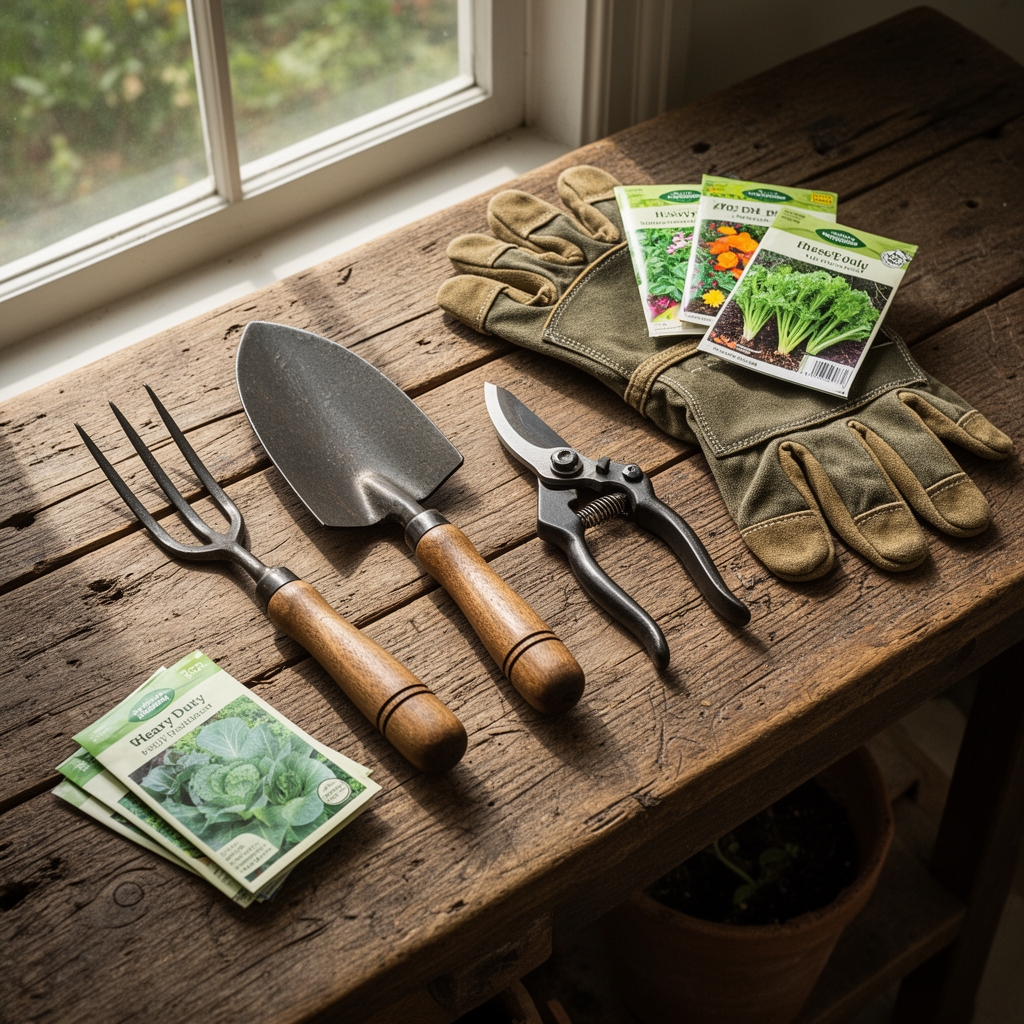
Procure row cover in 0.55-ounce weight for frost protection down to 28°F, and heavier 1.25-ounce fabric for extension to 24°F. Invest in a soil thermometer calibrated to 32–120°F for accurate seed zone readings. Mycorrhizal inoculant containing Glomus intraradices at 150 propagules per gram accelerates phosphorus uptake when root growth slows in October. Compost screened to quarter-inch particle size provides immediate cation exchange capacity without nitrogen volatilization.
Timing
Zone 5 gardeners begin fall brassica transplants by August 1, while Zone 7 extends planting windows to September 1. Count backward from your first frost date: kale and collards need 75 days, carrots require 70, and spinach establishes in 45. Soil temperature governs germination more than air temperature. Lettuce seeds enter dormancy above 75°F soil temperature but germinate reliably at 60–65°F.
Direct-sow carrots when soil reaches 50°F at 2-inch depth, typically mid-August in northern climates. Transplant broccoli starts when daytime highs stabilize below 80°F to prevent premature bolting triggered by heat stress. Garlic cloves go into ground when soil temperature at 4-inch depth drops to 50°F, usually mid-October in Zone 6. This timing allows root development without top growth that frost would damage.
Phases
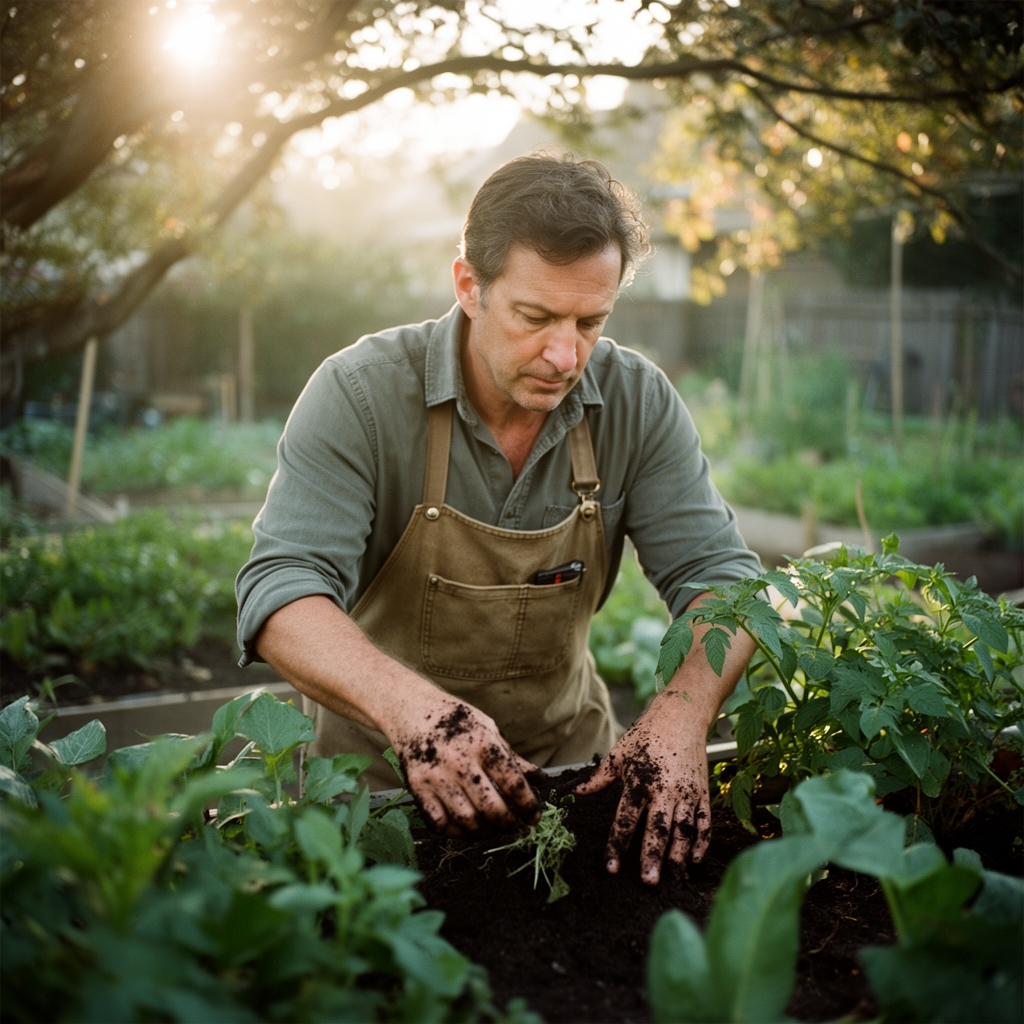
Sowing: Till beds to 8-inch depth and incorporate compost at 1 cubic foot per 25 square feet. Rake to remove clods larger than 1 inch. Carrot seeds require darkness for germination, so cover with exactly quarter-inch of sifted compost. Spinach and lettuce need light exposure, demanding only an eighth-inch covering. Water with a fan spray to deliver 1 inch across the bed without displacing seeds.
Pro-Tip: Pre-germinate fall brassica seeds on damp paper towels at 70°F for 48 hours before sowing. This technique bypasses the germination lag in cooling soil and synchronizes emergence within 72 hours.
Transplanting: Harden off starts over 7 days, increasing outdoor exposure by 2 hours daily. Dig holes 6 inches deep for brassicas, adding 1 tablespoon bone meal per hole to supply phosphorus for root establishment. Plant seedlings at the same depth they occupied in cells, firming soil to eliminate air pockets that desiccate roots. Space broccoli 18 inches apart, kale 12 inches, and cauliflower 24 inches to accommodate mature canopies.
Pro-Tip: Bury brassica stems up to the first true leaves. Adventitious roots emerge from buried stem tissue, creating anchor strength against wind and improving water uptake efficiency by 30 percent.
Establishing: Apply 2 inches of shredded leaf mulch around transplants after soil warms above 50°F. Earlier mulching delays soil warming and slows root expansion. Foliar feed with kelp extract diluted 1 tablespoon per gallon weekly for 3 weeks post-transplant to supply auxin precursors that promote lateral root branching. Monitor soil moisture at 4-inch depth, maintaining consistent dampness without saturation.
Pro-Tip: Inoculate transplant holes with mycorrhizal fungi at 1 teaspoon per plant. Fungal hyphae extend effective root surface area 100-fold, critical when cold soil reduces root hair proliferation.
Troubleshooting
Symptom: Purple-tinged leaves on brassicas.
Solution: Phosphorus deficiency caused by cold soil below 50°F. Apply liquid 5-10-5 fertilizer at half strength weekly until soil warms or roots expand.
Symptom: Carrot shoulders turning green and bitter.
Solution: Crown exposure to light triggers chlorophyll and terpenoid production. Hill soil 2 inches over root crowns or add mulch to block sunlight penetration.
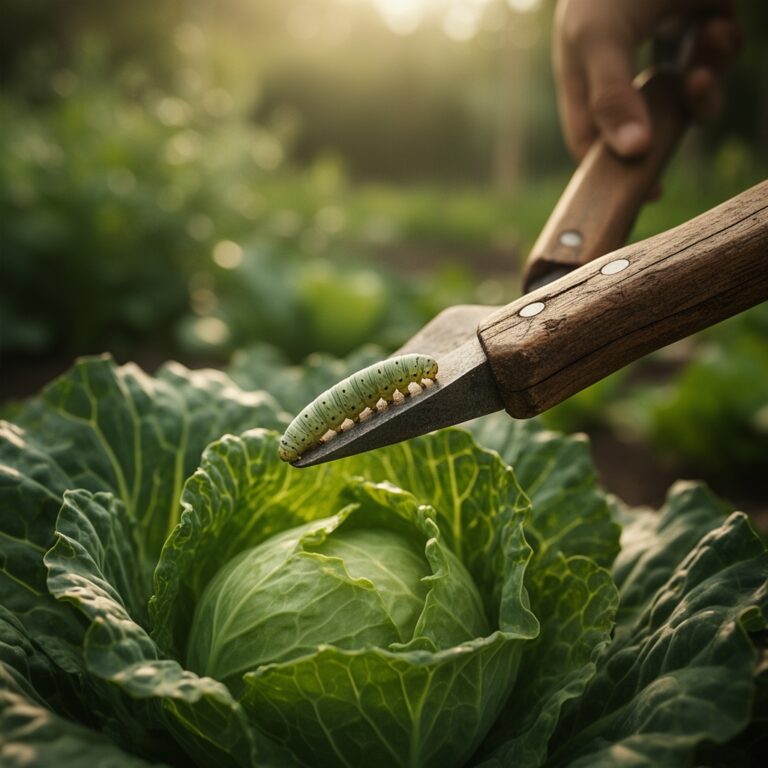
Symptom: Cabbage loopers (green caterpillars) skeletonizing leaves.
Solution: Spray Bacillus thuringiensis var. kurstaki at 1 tablespoon per gallon every 5 days. Larvae ingest crystalline proteins that disrupt gut pH, causing death within 48 hours.
Symptom: Lettuce bolting prematurely.
Solution: Heat stress above 80°F triggers flowering hormones. Provide 40 percent shade cloth during Indian summer heat spikes.
Symptom: Damping-off in spinach seedlings.
Solution: Pythium and Rhizoctonia fungi proliferate in wet, cool soil. Reduce watering frequency by half and apply chamomile tea as a soil drench for mild antifungal action.
Maintenance
Deliver 1 inch of water weekly through soaker hoses, measuring with rain gauges placed at bed centers. Fall rains often provide adequate moisture, so supplement only when top 2 inches of soil dry completely. Side-dress brassicas with blood meal at 1 pound per 100 square feet when plants reach 12 inches tall, scratching granules into soil 4 inches from stems.
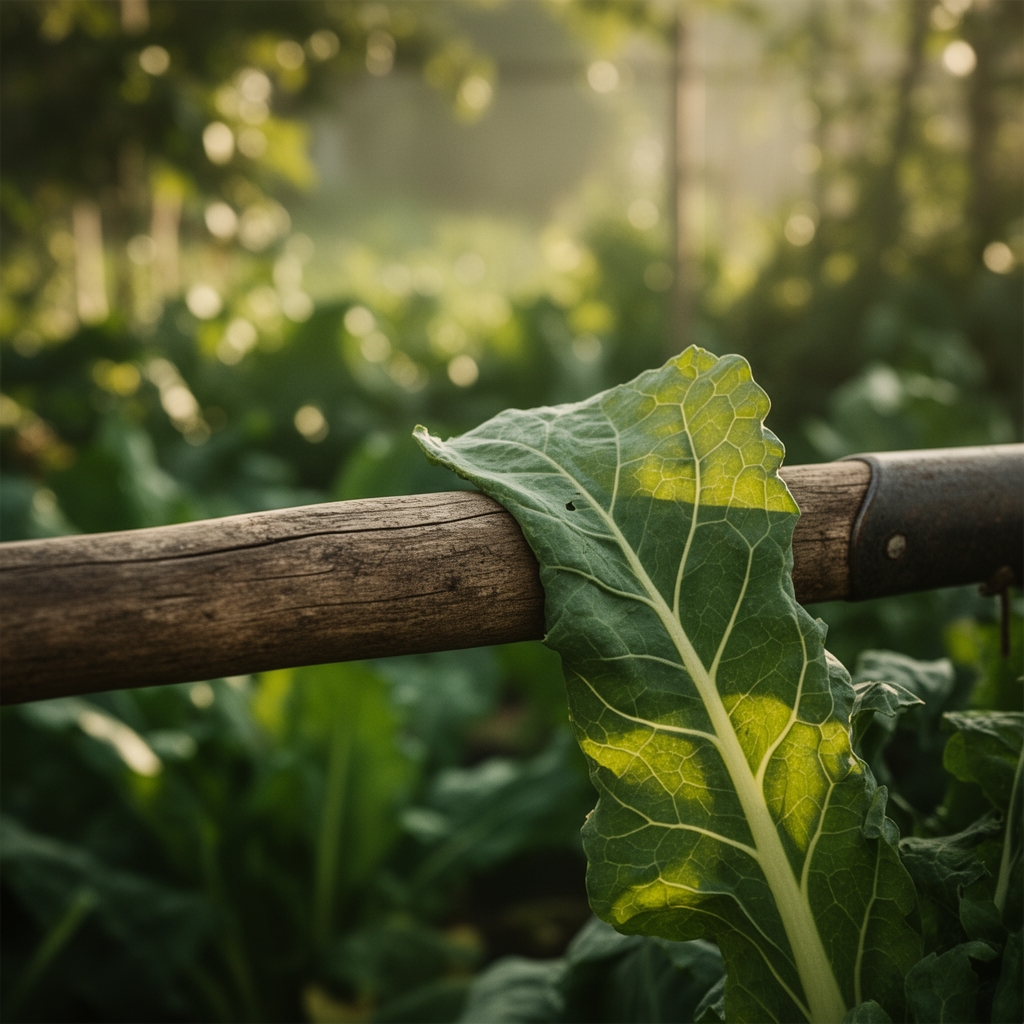
Remove yellowing lower leaves from kale and collards weekly to redirect auxin distribution toward apical growth and reduce fungal spore reservoirs. Install row covers when nighttime temperatures drop to 35°F, securing edges with soil or sandbags to prevent wind entry. Harvest carrots after two light frosts below 30°F, which convert starches to sugars and intensify sweetness by measurable brix points.
FAQ
When should I start fall crops?
Count backward from your first frost date using days-to-maturity plus 14 days for slower fall growth. Zone 5 starts by early August; Zone 8 can plant through September.
Can I grow fall crops without transplants?
Root vegetables like carrots, beets, and radishes perform better from direct seeding. Brassicas tolerate either method but transplants save 3 weeks of growing time.
What temperature kills fall crops?
Kale, collards, and spinach survive to 20°F with row covers. Lettuce and chard tolerate 25°F. Broccoli and cauliflower withstand 28°F but florets suffer damage below that threshold.
How does frost improve flavor?
Temperatures below 32°F trigger plants to convert starches into sugars as a cellular antifreeze mechanism. Kale and carrots show the most pronounced sweetening response.
Do fall crops need fertilizer?
Yes, but at reduced rates. Apply half the nitrogen you would use in spring since cooler temperatures slow microbial mineralization and plant metabolism by approximately 50 percent.