8 Simple Ways How to Fix Blossom End Rot
The black, leathery lesion at the bottom of your tomato is a calcium transport failure, not a disease. Blossom end rot appears when calcium cannot move from soil to fruit at the rate cell walls demand. Learning how to fix blossom end rot requires understanding that irregular watering, high nitrogen, and competing vegetative growth interrupt the xylem flow that delivers calcium to developing fruit. You can correct this physiological disorder through eight targeted interventions that stabilize moisture, adjust soil chemistry, and redirect nutrient allocation.
Materials
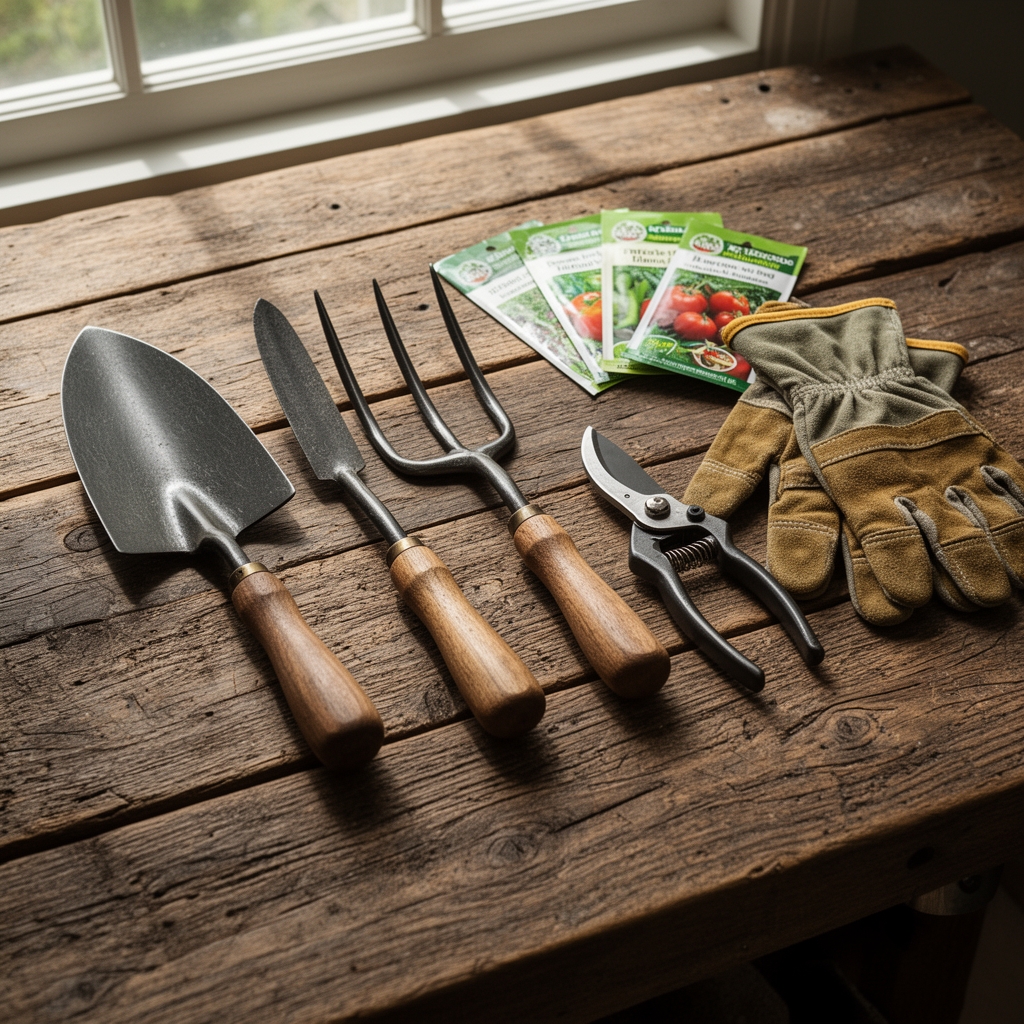
Gather amendments based on current soil pH and nutrient profile. For acidic soils (pH 5.5-6.2), apply dolomitic limestone at 5 pounds per 100 square feet to raise pH and supply both calcium and magnesium. Gypsum (calcium sulfate) works in neutral to alkaline soils without altering pH, applied at 2-3 pounds per 100 square feet. Use a 4-4-4 organic fertilizer blend or composted manure to maintain balanced NPK ratios without excess nitrogen that promotes leaf growth over fruiting. Kelp meal (1-0.1-2) supplies minor elements that support calcium uptake. Calcium chloride foliar spray (1 tablespoon per gallon) provides emergency calcium directly to leaves and young fruit. Mulch materials should be shredded hardwood bark or straw, 3-4 inches deep, to buffer soil temperature and moisture. A soil test kit measuring cation exchange capacity identifies whether your soil can hold and release calcium effectively.
Timing
Apply calcium amendments 4-6 weeks before transplanting to allow incorporation into the root zone. In Zones 7-9, this means mid-February to early March. Zones 5-6 require indoor starts 6-8 weeks before the last frost date (typically mid-May), with soil preparation in early April. Transplant only when soil temperature reaches 60°F at 4-inch depth; cold soil restricts root function and calcium uptake regardless of soil calcium levels. Begin foliar calcium sprays when the first blossoms open and repeat every 7-10 days through fruit set. In Zones 9-10, fall plantings (August-September) avoid peak heat stress that exacerbates transpiration imbalances.
Phases
Begin seeds in sterile potting mix with pH 6.0-6.5. Water from below to encourage deep root development. Supplemental calcium at this stage is unnecessary; seedlings draw from cotyledon reserves.
Pro-Tip: Inoculate transplant holes with mycorrhizal fungi (Glomus species) at 1 teaspoon per plant to extend the effective root surface area by 10-100 times, improving calcium scavenging capacity.

Transplanting
Harden off seedlings over 7-10 days to prevent transplant shock that disrupts auxin distribution. Dig holes 12 inches deep and 18 inches wide. Mix native soil with 2 inches of compost and 1/4 cup of gypsum per hole. Set transplants at the same depth as the nursery pot for determinate varieties; bury indeterminate types to the first true leaves to generate adventitious roots. Space plants 24-30 inches apart to reduce root competition for calcium.
Pro-Tip: Prune lower leaves at a 45-degree angle 3 weeks after transplant to improve air circulation and reduce foliar transpiration that competes with fruit for calcium delivery.
Establishing
Install drip irrigation or soaker hoses immediately after transplanting. Maintain consistent soil moisture at field capacity (the point where soil holds maximum water without saturation). Mulch after soil warms to 65°F to prevent moisture swings. Side-dress with compost tea diluted 1:4 every 14 days, avoiding high-nitrogen fertilizers that stimulate excessive vegetative growth. Calcium moves in xylem via transpiration pull; leafy growth diverts calcium from fruit.
Pro-Tip: Remove the first flush of blossoms on indeterminate varieties to direct early calcium reserves into root and stem development, reducing later blossom end rot incidence by 40-60%.
Troubleshooting
Symptom: Brown, sunken lesion on blossom end expands as fruit matures.
Solution: Increase watering frequency to daily during fruit swell. Apply calcium chloride foliar spray at 1-2 tablespoons per gallon every 5 days. Affected fruit will not recover, but new fruit will develop normally.
Symptom: Entire plant wilts despite adequate moisture.
Solution: Check for root-knot nematodes (Meloidogyne species) that damage roots and block calcium transport. Solarize soil for 4-6 weeks in summer or rotate to non-solanaceous crops for 3 years.
Symptom: Yellow leaves with green veins appear mid-season.
Solution: Iron or manganese deficiency, often linked to high pH above 7.5, interferes with calcium uptake. Lower pH with sulfur at 1 pound per 100 square feet or apply chelated iron foliar spray.
Symptom: Cracked fruit shoulders with minor blossom end spotting.
Solution: Excess water after drought causes rapid cell expansion. Reduce irrigation volume by 25% but maintain daily frequency.
Maintenance
Deliver 1-1.5 inches of water per week via drip irrigation, split into daily applications of 0.14-0.21 inches. Soil should remain consistently moist at 4-6 inch depth. Test moisture with a tensiometer or by feeling soil; it should hold shape when squeezed but crumble when poked. Reapply mulch mid-season if depth falls below 2 inches. Avoid cultivating deeper than 1 inch to prevent root damage. Foliar feed with calcium nitrate at 1 tablespoon per gallon every 10-14 days until fruit reach full size. Prune suckers on indeterminate varieties weekly to maintain 2-3 main stems, reducing calcium competition.
FAQ
Does Epsom salt fix blossom end rot?
No. Epsom salt supplies magnesium and sulfur, not calcium. Excess magnesium can actually inhibit calcium uptake through competitive cation exchange.
Can overwatering cause blossom end rot?
Indirectly. Overwatering reduces root oxygen, impairing active calcium transport. Inconsistent watering is the more common trigger.
Will affected fruit recover?
No. Once cells collapse, the damage is permanent. Remove affected fruit to redirect calcium to developing ones.
How fast does foliar calcium work?
Leaf absorption occurs within 48 hours, but calcium moves poorly from leaves to fruit. Foliar sprays supplement soil calcium but do not replace it.
Is blossom end rot contagious?
No. It is a physiological disorder, not a pathogen. Nearby plants develop it only if they share the same environmental stressors.