5 Easy Ways How to Use a Wick System Hydroponic
Crushing a sun-warmed leaf between your fingers releases the sharp scent of essential oils and confirms the high turgor pressure within the plant cells. This rigid structure indicates a successful hydraulic balance within the xylem. Understanding how to use a wick system hydroponic requires a shift from traditional soil management to the precise control of capillary action. This passive irrigation method relies on the physical property of surface tension to move nutrient-enriched water from a reservoir into the root zone without mechanical pumps.
Success in hydroponics depends on the chemical composition of the nutrient solution and the physical properties of the wick. You are managing a closed-loop environment where the Electrical Conductivity (EC) must be monitored to prevent salt accumulation. In a wick system, the plant dictates its own uptake based on transpiration rates. When the stomata open to allow carbon dioxide entry, water evaporates from the leaf surface, creating a negative pressure that pulls more solution up through the fibers. This process ensures the rhizosphere remains consistently moist but never anaerobic.
Materials:

The substrate must be chemically inert and highly porous to facilitate gas exchange. Unlike a friable loam which relies on organic matter for structure, hydroponic media focus on **Cation Exchange Capacity (CEC)** and drainage.
- Growing Medium: Use a 50/50 blend of perlite and vermiculite or coconut coir. These materials maintain a neutral pH between 5.5 and 6.5, which is the optimal range for nutrient solubility.
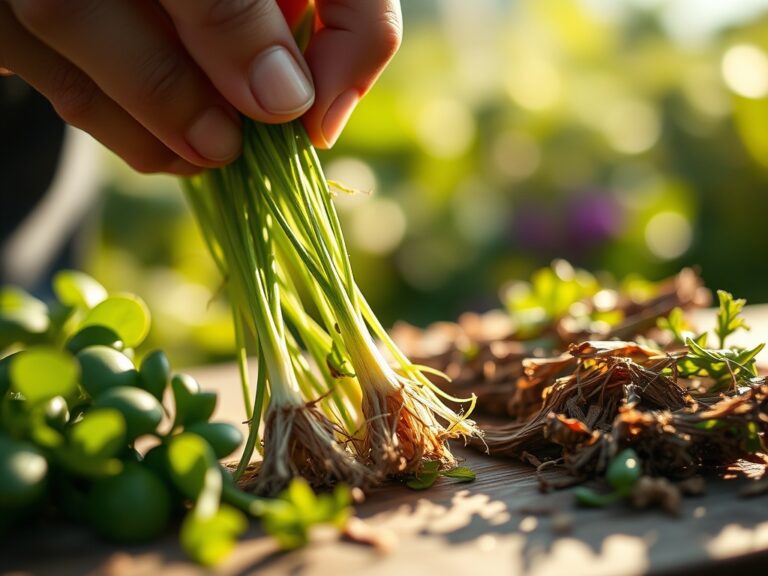
- The Wick: Select braided nylon or fibrous microfiber. Avoid organic cotton; it will succumb to fungal degradation and rot within 21 days of saturation.
- Nutrient Solution: For the vegetative stage, utilize a water-soluble fertilizer with an NPK ratio of 3-1-2. This provides the nitrogen required for chlorophyll synthesis and leaf expansion. During the reproductive phase, transition to a 1-3-2 ratio to support flower and fruit development.
- Reservoir: An opaque container is mandatory to block light. Light penetration into the nutrient solution triggers algal blooms that compete for oxygen and shift the pH toward alkalinity.
Timing:
While hydroponics often occurs indoors, the biological clock of the plant remains tied to its genetic heritage. In Hardiness Zones 5 through 7, indoor systems should be established 6 to 8 weeks before the last frost date if the goal is eventual transplantation. For permanent indoor setups, the "Biological Clock" is managed via the photoperiod.
Vegetative growth requires 16 to 18 hours of light to suppress the production of florigen, the hormone responsible for flowering. Once the plant reaches 50 percent of its desired final size, reducing the light cycle to 12 hours triggers senescence in annuals or the reproductive transition in perennials. Monitor the degree days; most leafy greens require a consistent temperature of 65 to 75 degrees Fahrenheit to maintain metabolic efficiency. If temperatures exceed 85 degrees, the oxygen-carrying capacity of the water drops, leading to root stress.
Phases:

Sowing and Germination
Place seeds in a pre-moistened starter cube composed of rockwool or peat. Ensure the cube is in direct contact with the wick from the start. Maintain a humidity level of 70 to 80 percent using a clear dome to prevent desiccation of the emerging radicle.
Pro-Tip: Seeds contain enough endosperm to support initial growth, but once the first true leaves appear, you must introduce a quarter-strength nutrient solution. This prevents auxin suppression, where a lack of nutrients signals the plant to stop vertical growth and enter a survival-based stunted state.
Transplanting to the Wick System
Once roots protrude from the starter cube, move the plant into the larger grow container. Position the wick so it runs through the center of the root mass and extends at least 4 inches into the reservoir below.
Pro-Tip: Ensure the medium is packed firmly enough to eliminate large air pockets around the wick but loosely enough to allow for mycorrhizal symbiosis if you are using beneficial fungal inoculants. These fungi extend the reach of the root system, increasing the surface area for phosphorus absorption.
Establishing and Hardening
During the first 10 days, monitor the moisture level of the top inch of the substrate. If it feels dry, top-water once with a spray bottle to encourage the roots to grow downward toward the primary moisture source.
Pro-Tip: Utilize a small oscillating fan to create a gentle breeze. This mechanical stress strengthens the stalk through thigmomorphogenesis, causing the plant to produce thicker cell walls and a more robust vascular system to support the weight of future yields.
The Clinic:
Physiological disorders in a wick system are often the result of "wick failure" or nutrient imbalances.
- Symptom: Interveinal Chlorosis. Yellowing between the veins of young leaves while veins remain green.
- Solution: This indicates an Iron (Fe) deficiency, often caused by a pH rising above 7.0. Use a pH down solution to return the reservoir to 6.0.
- Symptom: Tip Burn. The edges of new leaves appear scorched or curled.
- Solution: This is a Calcium (Ca) deficiency or high salinity. Flush the medium with pure pH-balanced water to remove salt buildup and ensure the wick is drawing properly.
- Symptom: Root Rot (Pythium). Roots appear brown, slimy, and emit a foul odor.
- Solution: This occurs when the medium is too dense or the reservoir lacks oxygen. Increase the perlite ratio in your mix and add a 3 percent hydrogen peroxide solution (2 tsp per gallon) to the reservoir to kill pathogens.
Fix-It: For general Nitrogen (N) chlorosis (entire lower leaves turning pale yellow), increase the concentration of your 3-1-2 fertilizer by 20 percent. Nitrogen is a mobile nutrient; the plant will pull it from old growth to support new leaves if the supply is insufficient.
Maintenance:
Precision is the hallmark of a master horticulturist. Use a soil moisture meter to verify that the wick is maintaining a 60 to 70 percent saturation level in the medium. Every 14 days, empty the reservoir completely and scrub it with a weak bleach solution to prevent biofilm formation. Refill with fresh nutrients.
When pruning, use sterilized bypass pruners to make clean cuts at a 45-degree angle just above a node. This minimizes the surface area of the wound and prevents pathogens from entering the vascular bundle. If you need to check root health, a hori-hori knife can be used to gently probe the edge of the container, though in a wick system, the roots are often visible if using a transparent inner pot inside an opaque outer sleeve. Ensure the nutrient level never drops below the bottom of the wick; a dry wick loses its capillary prime and may fail to restart.
The Yield:
Harvesting from a hydroponic system requires timing based on trichome development or leaf size. For leafy greens, harvest in the early morning when turgor pressure is at its peak. This ensures the cell walls are fully hydrated, providing a crisp texture.
Use a sharp blade to remove only the outer leaves if you desire a "cut and come again" harvest, or remove the entire plant by the base. Immediately submerge the base of the stems in 40-degree Fahrenheit water. This rapid cooling slows down the metabolic rate and prevents senescence, preserving the sugars and volatile compounds for maximum flavor.
FAQ:
Can I use any string for a wick system?
No. Organic fibers like cotton or wool will rot. Use synthetic materials such as braided nylon, polyester, or fiberglass. These materials resist microbial breakdown and maintain capillary action over long durations without clogging the fibers.
How often do I change the water?
Completely replace the nutrient solution every 14 to 21 days. This prevents the accumulation of toxic salt levels and ensures the NPK ratios remain balanced as the plant selectively absorbs specific ions from the water.
Does a wick system need an air pump?
While not strictly required, adding an air stone increases dissolved oxygen. Higher oxygen levels in the rhizosphere prevent anaerobic bacteria growth and improve the efficiency of nutrient uptake through the root hairs.
Why are my plants growing so slowly?
Slow growth usually stems from poor capillary flow or low light. Ensure the wick is large enough for the plant size and that your light source provides at least 20 to 30 moles of light per square meter per day.