7 Helpful Ways How to Design a Bee Friendly Garden
The smell of damp, decaying organic matter signals a high Cation Exchange Capacity (CEC), the invisible engine driving a productive landscape. When the turgor pressure of a leaf is high, the plant stands rigid, pumping nectar through its vascular system to attract pollinators. Understanding how to design a bee friendly garden requires more than aesthetic placement; it demands a rigorous focus on the rhizosphere and the physiological needs of Hymenoptera. Success is measured by the frequency of foraging visits and the stability of the local ecosystem.
To build an effective sanctuary, the gardener must prioritize the synchronization of bloom cycles with the emergence of native bee species. This involves managing soil chemistry and structural diversity to provide both forage and nesting sites. A well designed space functions as a biological corridor, offering high-protein pollen and high-energy nectar across a continuous seasonal timeline. By focusing on botanical science and precise soil management, you can transform a sterile lawn into a high-functioning ecological asset that supports diverse pollinator populations throughout their entire life cycles.
Materials:
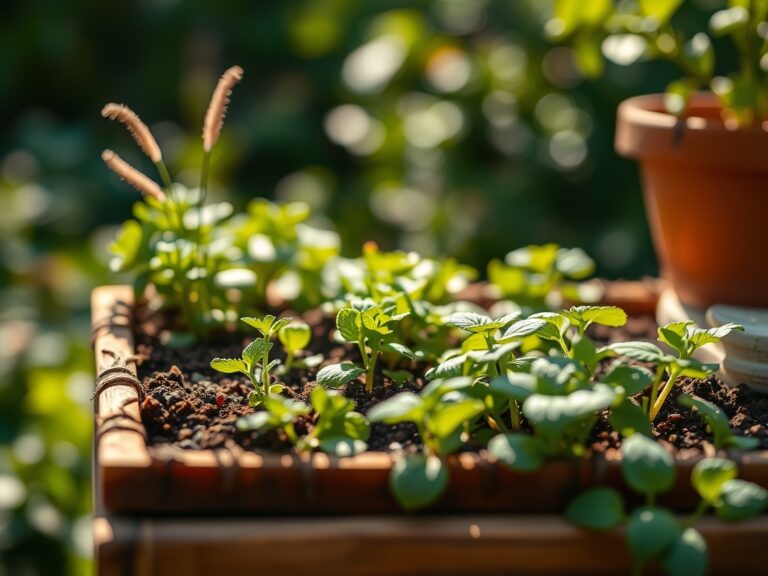
Substrate quality dictates the nutritional density of nectar. Aim for a **friable loam** with a **pH between 6.0 and 7.0**. This range ensures maximum bioavailability of micronutrients.
- Native Perennials: Require a balanced NPK ratio of 10-10-10 during the establishment phase. Excessive nitrogen (the first number) can lead to lush vegetative growth at the expense of floral production.
- Early Spring Bulbs: Benefit from a 5-10-10 ratio to prioritize root development and carbohydrate storage in the bulb.
- Organic Matter: Incorporate well-aged compost to maintain a soil organic matter (SOM) level of 5% to 8%.
- Nesting Substrate: Reserve a patch of well-drained, sandy soil with a pH of 6.5 to 7.5. Approximately 70% of native bees are ground-nesters and require bare, undisturbed earth that is not compacted.
Timing:
Success is contingent upon the Hardiness Zone and the local frost-free window. In Zones 5 through 8, the primary planting window opens when soil temperatures consistently reach 55 degrees Fahrenheit. The "Biological Clock" of the garden must account for the transition from the vegetative stage (foliage production) to the reproductive stage (flowering).
Bees emerge based on Growing Degree Days (GDD). To ensure forage is available, select a variety of plants that bloom in succession from early spring through late autumn. For example, Salix species (willows) provide critical early-season pollen when temperatures first exceed 50 degrees Fahrenheit, while Symphyotrichum (asters) offer late-season fuel for overwintering queens.
Phases:
Sowing
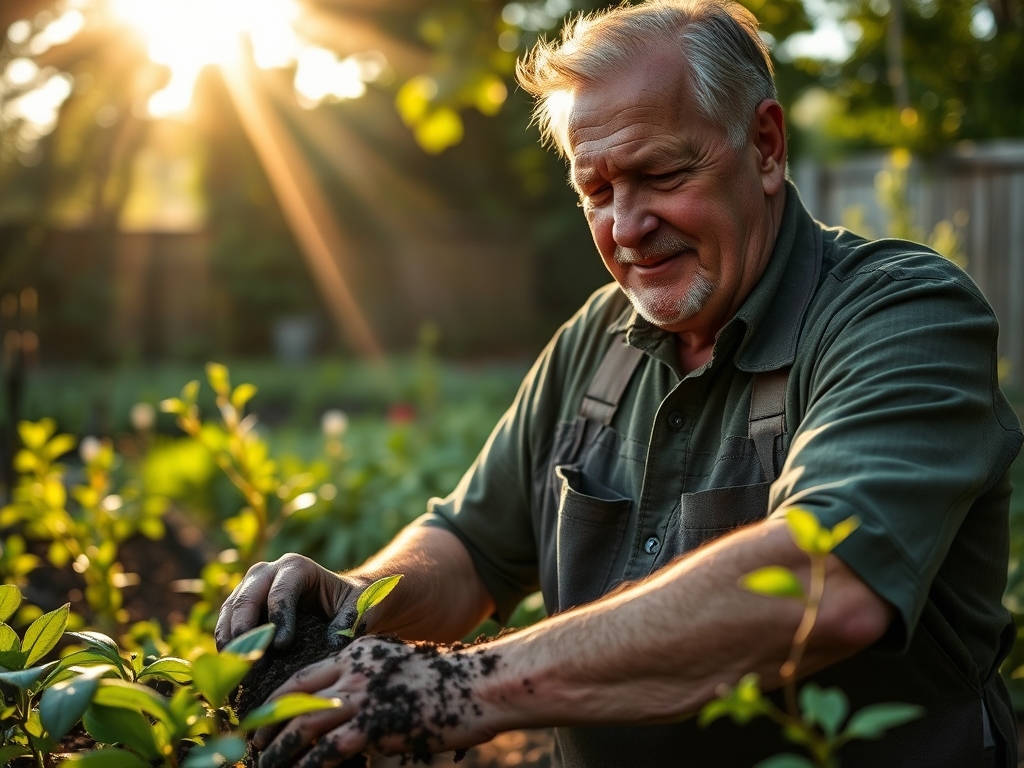
Direct sow seeds for nectar-rich annuals like Phacelia tanacetifolia once the threat of frost has passed. Ensure seed-to-soil contact by tamping down the earth; do not bury seeds deeper than twice their diameter.
Pro-Tip: Utilize cold stratification for native seeds. Many species require a period of cold, moist conditions to break embryo dormancy. This physiological mechanism ensures the plant does not germinate during a mid-winter thaw, only to be killed by returning frost.
Transplanting
When moving nursery stock into the ground, dig a hole twice as wide as the root ball but no deeper. Ensure the crown of the plant sits flush with the soil surface to prevent crown rot.
Pro-Tip: Inoculate the planting hole with mycorrhizal fungi. This symbiotic relationship extends the root system's reach, increasing the plant's ability to absorb phosphorus and water. This enhanced uptake directly improves the turgor pressure and nectar volume of the floral displays.
Establishing
During the first growing season, maintain consistent moisture to allow the root system to penetrate the subsoil. Apply a 2-inch layer of organic mulch, but leave a 12-inch radius of bare soil around the base of specific plants to accommodate ground-nesting bees.
Pro-Tip: Avoid heavy pruning during the establishment phase to prevent auxin suppression. Auxins are hormones produced in the apical meristem that regulate root growth. Removing too much top growth can signal the plant to stop expanding its root architecture, leading to a stunted rhizosphere.
The Clinic:
Physiological disorders can decrease the attractiveness of your garden to pollinators. Monitor plants for these specific indicators:
- Symptom: Interveinal Chlorosis. Yellowing between leaf veins while veins remain green.
- Cause: Iron or Manganese deficiency, often caused by a pH above 7.5.
- Fix-It: Apply chelated iron or elemental sulfur to lower the pH and increase nutrient solubility.
- Symptom: Blossom End Rot. Dark, sunken spots on the base of fruit or flowers.
- Cause: Calcium deficiency linked to inconsistent moisture levels.
- Fix-It: Maintain a steady irrigation schedule; ensure the soil has adequate cation exchange capacity to hold calcium ions.
- Symptom: Leaf Scorch. Brown, crispy edges on foliage.
- Cause: High transpiration rates exceeding water uptake, often during heat waves above 90 degrees Fahrenheit.
- Fix-It: Increase irrigation to 2 inches per week and provide temporary afternoon shade.
Maintenance:
Precision maintenance ensures the garden remains a viable habitat. Use a soil moisture meter to verify that the root zone remains at 60% to 80% field capacity. Generally, provide 1.5 inches of water per week applied directly at the drip line to avoid wetting the foliage, which can encourage fungal pathogens.
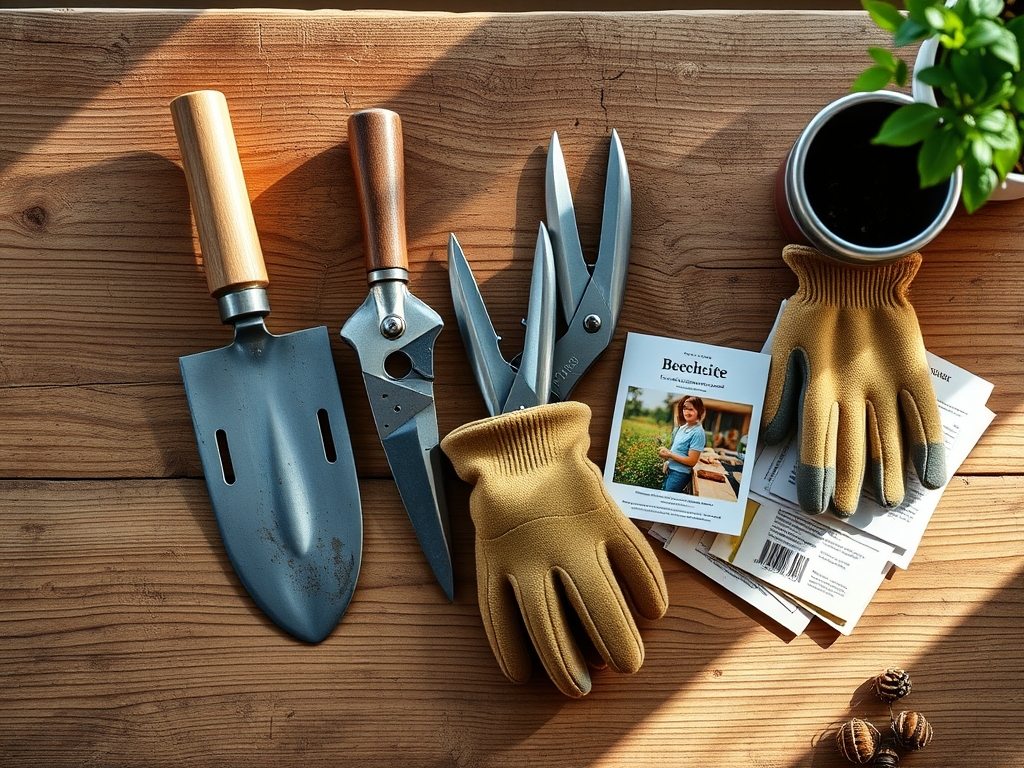
Equip yourself with a hori-hori knife for deep weeding without disrupting the surrounding soil structure. Use bypass pruners for clean cuts that heal quickly; ragged tears are entry points for disease. When the season ends, resist the urge to "clean up." Leave hollow stems and leaf litter intact. These materials serve as essential nesting cavities and insulation for dormant bees.
The Yield:
For a bee friendly garden, the "yield" is measured in floral density and seed production. If harvesting flowers for indoor use, cut during the cool of the morning when sugar concentrations are highest and the plant is at maximum turgidity. Use a sharp blade to make a 45-degree angle cut.
To maintain "day-one" freshness and prolong the life of the remaining plant, immediately plunge stems into 100-degree Fahrenheit water. This removes air bubbles from the xylem, ensuring continued water transport. For the bees, leave at least 70% of the blooms on the plant to ensure adequate forage remains available for the colony.
FAQ:
Which flower colors attract the most bees?
Bees see in the ultraviolet spectrum. They are most attracted to blue, purple, violet, white, and yellow blooms. Avoid red flowers, as bees cannot easily distinguish them from green foliage, making them less efficient for foraging.
How do I provide water for bees?
Place a shallow basin filled with pebbles or marbles in the garden. Fill with water until the tops of the stones are dry. This provides a safe landing platform, preventing bees from drowning while they hydrate and cool their hives.
Should I use pesticides in a bee garden?
No. Even organic treatments can be lethal. If management is required, use mechanical methods or targeted botanical oils in the late evening when bees are inactive. Always prioritize the health of the rhizosphere to build plant immunity naturally.
Why are native plants better for bees?
Native plants and native bees have co-evolved. The floral morphology of native species often matches the tongue length and body size of local bees, ensuring the bee can access nectar while the plant achieves successful pollination.