9 Best Rust Inhibitors for Steel
The scent of damp earth and the iron tang of wet metal signal a constant battle against oxidation in the garden. Steel implements rely on structural integrity to maintain high turgor pressure in the plants they prune; a dull, rusted blade crushes vascular bundles rather than slicing them. Maintaining the best rust inhibitors for steel ensures that carbon steel hori-hori knives and bypass pruners remain sterile and sharp. When iron reacts with oxygen and moisture, it forms hydrated iron oxide, a process that accelerates in high-humidity greenhouses. Preventing this electrochemical reaction is as vital to the tool shed as nitrogen is to the leaf.
Iron oxidation does not just ruin the aesthetic of a tool; it creates a porous surface that harbors pathogenic fungi and bacteria. These pathogens can be transferred directly into the rhizosphere during planting or into the phloem during pruning. A disciplined maintenance schedule using professional-grade inhibitors creates a hydrophobic barrier, sealing the metal from the ambient moisture that drives the degradation of steel alloys. By understanding the chemical properties of these coatings, a horticulturist protects both their financial investment and the physiological health of their botanical collection.
Materials:
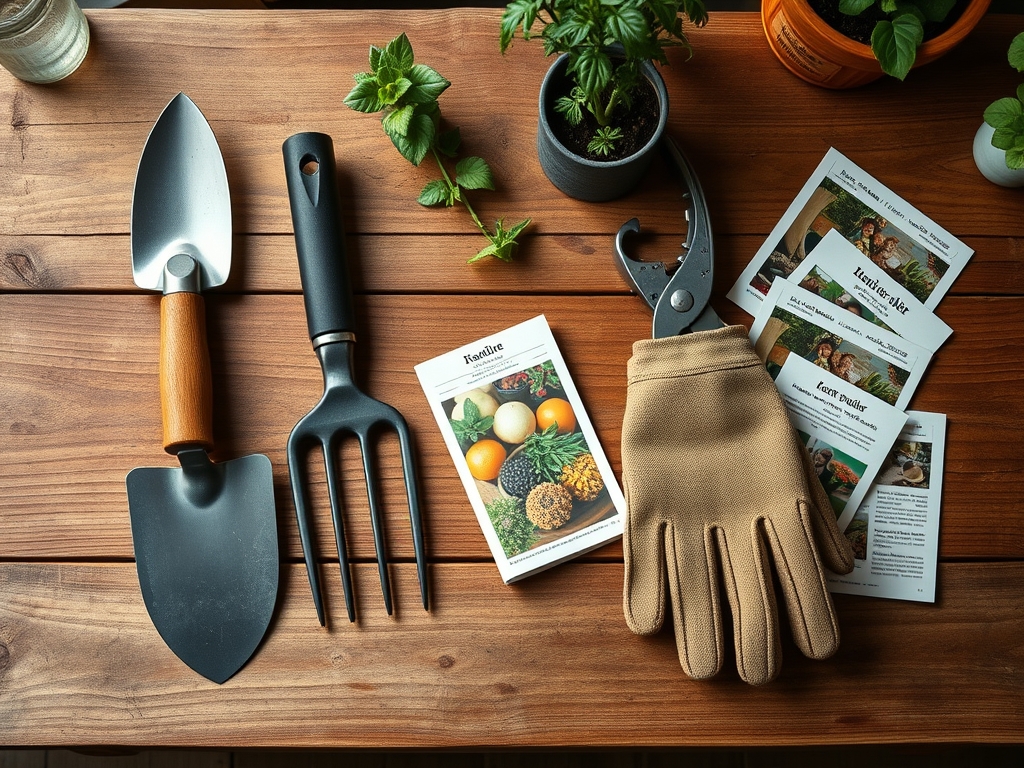
Selecting the **best rust inhibitors for steel** requires an understanding of the environment where the steel resides. For tools interacting with soil, the substrate chemistry is critical. A **friable loam** with a **pH of 6.5 to 7.0** is ideal for plant growth but can be corrosive to untreated steel due to active ion exchange.
- Cold-Galvanizing Sprays: These contain 95 percent pure zinc dust. The zinc acts as a sacrificial anode, corroding before the steel does.
- Lanolin-Based Coatings: Derived from sheep wool, these are non-toxic and provide a thick, waxy barrier.
- Boiled Linseed Oil: A traditional choice for wooden handles and steel heads; it polymerizes into a hard, protective film.
- Mineral Oil: High-purity USP grade is best for tools used on edible crops to avoid soil contamination.
- Silicone-Based Lubricants: These provide a dry film that does not attract grit or dust.
- Corrosion Inhibiting Compounds (CICs): These are heavy-duty waxes used for long-term storage of machinery.
- Phosphoric Acid Converters: These transform existing rust into a stable black polymer (ferric phosphate).
- Vapor Corrosion Inhibitors (VCI): These emit molecules that settle on metal surfaces in enclosed toolboxes.
- Paste Wax: Often used for cast iron saw tables, it provides a smooth, low-friction surface.
The Cation Exchange Capacity (CEC) of your soil affects how quickly a tool will rust if left in the ground. High-clay soils with a CEC above 25 hold more moisture and ions, accelerating the oxidation of unprotected steel.
Timing:
The biological clock of the garden dictates the maintenance schedule for steel. In Hardiness Zones 5 through 7, the primary window for heavy rust prevention is the transition from the reproductive stage of the garden to winter dormancy. As the photoperiod shortens and the first frost date approaches (often between October 15 and November 15), tools must be cleaned and coated.
During the spring vegetative push, the high humidity of the greenhouse (often kept at 70 to 80 percent relative humidity) requires weekly inspections of steel surfaces. The "Biological Clock" of the plant means that as sap flow increases in the spring, the moisture content on pruning shears increases, necessitating more frequent applications of the best rust inhibitors for steel.
Phases:

Sowing
Before the first seed hits the soil, the steel components of seed drills and hand trowels must be prepped. Clean the metal with a wire brush to remove any residual soil from the previous season. Apply a light coat of mineral oil to ensure the tool slides through the friable loam with minimal resistance.
Pro-Tip: Reducing friction on sowing tools prevents the compaction of the rhizosphere. This ensures that emerging radicles do not encounter "hardpan" soil, allowing for better mycorrhizal symbiosis at the root zone.
Transplanting
When moving starts from the nursery to the field, the steel spade is your primary instrument. Ensure the edge is honed to a 20-degree bevel. Apply a lanolin-based inhibitor to the blade. This prevents soil from sticking to the steel, ensuring a clean cut through the root ball.
Pro-Tip: A clean, sharp cut on a root during transplanting minimizes the release of stress ethylene. This reduces the duration of transplant shock and allows the plant to maintain higher turgor pressure during the critical first 48 hours.
Establishing
As plants enter their rapid growth phase, support structures like steel rebar or wire cages must be treated. Use a cold-galvanizing spray on any cut ends of steel supports. This prevents rust from leaching into the soil, which can alter the local pH and interfere with the uptake of micronutrients like manganese.
Pro-Tip: Preventing rust on supports ensures that the plant's cuticle is not abraded by rough, oxidized surfaces. An intact cuticle is the first line of defense against pathogens and excessive transpiration.
The Clinic:
Physiological disorders in plants are often mirrored by the degradation of the tools used to tend them.
- Symptom: Sticking blades or "chewed" stems during pruning.
- Solution: Remove rust with a medium-grit sanding block and apply a silicone-based inhibitor.
- Symptom: Orange staining on wooden tool handles.
- Solution: This is "rust bleed." Sand the wood and seal the steel-to-wood interface with boiled linseed oil.
- Symptom: Localized chlorosis (yellowing) in plants near steel stakes.
- Solution: Excessive iron oxide can tie up phosphorus. Replace rusted stakes with galvanized or coated steel.
Fix-It for Nutrient Deficiencies:
If you notice Nitrogen chlorosis (uniform yellowing of older leaves), do not mistake it for iron toxicity from rusted tools. Check the soil NPK ratio. If nitrogen is low, apply a 10-10-10 fertilizer and ensure your steel tools are clean to prevent the introduction of soil-borne viruses that can mimic deficiency symptoms.
Maintenance:
Professional tool maintenance is a daily requirement. After every use, wipe steel tools clean of all organic matter. Use a soil moisture meter to monitor the humidity in your tool storage area; keep it below 50 percent.
For irrigation systems, ensure steel pipes receive 1.5 inches of water per week at the drip line of the crop, but keep the external steel dry. Use a hori-hori knife to weed around the base of steel fence posts to prevent a microclimate of high humidity at the base. Every six months, sharpen your bypass pruners and re-apply a high-grade rust inhibitor to the tension spring and pivot point.
The Yield:
When harvesting, the quality of your steel determines the longevity of the produce. A rusted blade introduces bacteria that accelerate senescence (the aging process) in harvested greens. For "day-one" freshness, use a stainless steel or treated carbon steel knife to make a single, swift cut. This minimizes the surface area of the wound, reducing the rate of moisture loss and keeping the turgor of the vegetable high during transport.
FAQ:
What is the best rust inhibitor for garden hand tools?
Boiled linseed oil or food-grade mineral oil is best. These provide a durable hydrophobic barrier that is safe for the soil and prevents the oxidation of high-carbon steel blades.
Can I use WD-40 on my pruning shears?
While it displaces moisture, it is a solvent rather than a long-term lubricant. Use a dedicated lanolin or silicone-based inhibitor for lasting protection against the high humidity of a garden environment.
How does rust affect plant health?
Rust on tools creates jagged edges that tear plant tissue. These ragged wounds take longer to callose, increasing the risk of infection by fungal pathogens and reducing the plant's overall vascular efficiency.
How often should I apply rust inhibitors?
Apply after every cleaning or when the tool has been exposed to moisture. At a minimum, treat all steel surfaces at the end of the growing season before winter storage to prevent pitting.