8 Cool Ways How to Design a Shaded Patio
The smell of damp humus and the cool, heavy air of a north facing microclimate signal a shift in horticultural strategy. Success in low light environments depends on managing turgor pressure and maximizing limited photosynthetic rates. When learning how to design a shaded patio, the primary objective is to manipulate the light compensation point of your plant selection. You are not merely placing furniture; you are engineering a functional ecosystem where light intensity, measured in foot-candles, dictates the metabolic success of every specimen.
A shaded patio requires a sophisticated understanding of the rhizosphere. In these zones, evaporation rates are lower, making drainage and soil aeration critical. You must balance the structural integrity of the hardscape with the biological needs of the flora. The following guide provides the technical framework for constructing a high performance shaded retreat that prioritizes plant health and structural longevity.
Materials:
The foundation of a shaded patio garden is the substrate. For containerized plants or raised beds, you require a friable loam with a high Cation Exchange Capacity (CEC). This allows the soil to retain essential nutrients like potassium and magnesium despite frequent watering. Aim for a soil pH between 5.8 and 6.5 to ensure maximum nutrient bioavailability.
Specific nutrient requirements for shade-tolerant species focus on foliage development rather than heavy fruiting. Utilize a slow release fertilizer with an NPK ratio of 10-10-10 for general maintenance. For acid-loving species like Pieris japonica, transition to a 4-3-4 ratio supplemented with elemental sulfur. The physical texture must be porous; incorporate 20 percent perlite or coarse sand to prevent anaerobic conditions in the root zone. High organic matter, such as leaf mold or composted pine bark, should comprise 30 percent of the total volume to mimic the natural forest floor.
Timing:
Timing is dictated by the Hardiness Zone and the specific frost-date windows of your region. In Zones 5 through 9, the optimal window for establishing a shaded patio begins in early spring, precisely two to three weeks before the last predicted frost. This allows root systems to establish before the heat of summer increases transpiration demands.
The biological clock of shade plants is governed by the photoperiod. Most shade-dwelling species enter their vegetative stage as soil temperatures reach 50 degrees Fahrenheit. Transitioning from vegetative to reproductive stages (flowering) in the shade is slower than in full sun. You must monitor the thermal sum, or growing degree days, to predict when species like Astilbe or Helleborus will reach peak maturity. Planting during the autumnal equinox is also effective for woody perennials, as it allows for root expansion without the metabolic stress of supporting new leaf biomass.
Phases:
Sowing and Selection
Direct sowing in shaded areas is difficult due to lower soil temperatures. Start seeds indoors using bottom heat set to 72 degrees Fahrenheit. When selecting nursery stock, choose plants with deep green pigmentation. This indicates a high concentration of chlorophyll, necessary for capturing low-intensity light.
Pro-Tip: Position plants with larger leaf surface areas in the deepest shade. This is an adaptation to maximize photon capture. The biological why involves auxin suppression; in lower light, auxins accumulate on the shaded side of stems, causing cell elongation and helping the plant "stretch" toward any available light source.
Transplanting
When moving plants into the patio design, ensure the root ball is saturated. Dig a hole twice the width of the root ball but no deeper than the original container. This prevents the crown from sinking, which often leads to fungal pathogens.
Pro-Tip: Incorporate an endomycorrhizal inoculant into the planting hole. The biological why is mycorrhizal symbiosis; these fungi extend the reach of the root system, increasing the absorption of phosphorus and water, which is vital in the competitive root environments often found near patio trees.
Establishing
The first 90 days are critical for establishment. Maintain consistent soil moisture without saturation. Use a soil moisture meter to ensure the root zone stays at a "moist" reading (level 4-6) rather than "wet" (level 8-10).
Pro-Tip: Avoid heavy pruning during the first season. The biological why involves photosynthetic capacity; every leaf is a solar panel. Removing foliage reduces the plant's ability to produce the carbohydrates needed for root development during the establishment phase.
The Clinic:
Physiological disorders in the shade are often related to moisture management and poor air circulation.
-
Symptom: Interveinal chlorosis (yellowing between leaf veins).
-
Solution: This is often a sign of Manganese or Iron deficiency in high pH soils. Apply a chelated iron drench to lower the pH and restore nutrient uptake.
-
Symptom: Powdery mildew (white fungal growth on leaf surfaces).
-
Solution: Improve airflow by spacing plants 18 to 24 inches apart. Use a potassium bicarbonate spray to alter the leaf surface pH, making it inhospitable for spores.
-
Symptom: Leaf edema (corky bumps on the underside of leaves).
-
Solution: This occurs when the plant takes up water faster than it can transpire. Reduce watering frequency and ensure the substrate has adequate drainage.
Fix-It for Nitrogen Chlorosis: If older leaves turn uniformly pale green or yellow, apply a quick-release liquid fertilizer with a high Nitrogen (N) value to immediately boost chlorophyll production.
Maintenance:
Precision is the hallmark of professional maintenance. Provide 1.5 inches of water per week at the drip line. In a shaded patio environment, water early in the morning (before 8:00 AM) to allow leaf surfaces to dry, which prevents the germination of fungal spores.
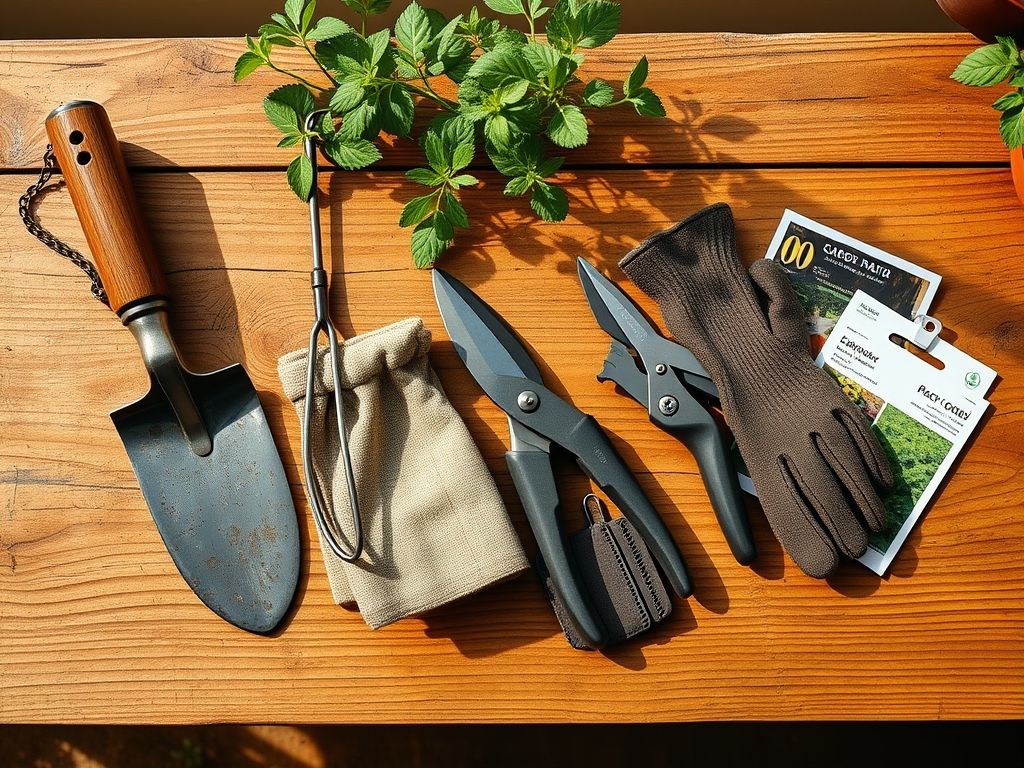
Utilize a hori-hori knife for weeding to ensure you remove the entire taproot without disturbing the shallow feeder roots of your shade plants. For woody shrubs, use sharp bypass pruners to make clean cuts at a 45-degree angle just above a lateral bud. This encourages outward growth and maintains the structural integrity of the plant. Monitor the mulch layer annually; maintain a 2-inch depth of organic mulch to suppress weeds and regulate soil temperature, but keep it 3 inches away from the base of any stems to prevent crown rot.
The Yield:
If your shaded patio includes edible greens like kale or herbs like mint, harvest timing is essential for flavor and nutrient density. Harvest in the early morning when turgor pressure is at its peak. This ensures the cell walls are fully hydrated, providing a crisp texture.
Use a sharp blade to harvest only the outer leaves, leaving the central meristem intact for continued growth. For flowers like Hydrangeas, cut the stems at an angle and immediately submerge them in 100-degree Fahrenheit water. This "hardening off" process removes air bubbles from the xylem, allowing for maximum water uptake and ensuring "day-one" freshness for several days.
FAQ:
How do I increase light on a shaded patio?
Use reflective surfaces or light-colored pavers to increase the albedo effect. Pruning the lower canopy of overhanging trees, a process known as crown lifting, allows more dappled light to reach the patio floor.
Which plants thrive in deep shade?
Focus on Taxus (Yew), Hosta, and various fern species like Athyrium. These plants have evolved to operate at low light compensation points, meaning they can maintain positive net photosynthesis even in minimal light.
How often should I fertilize shade plants?
Apply a balanced, slow-release fertilizer once in early spring. Shade plants have slower metabolic rates than sun-loving species; over-fertilizing can lead to salt buildup in the soil and weakened, leggy growth.
Can I grow vegetables on a shaded patio?
Leafy greens like spinach, lettuce, and arugula are viable. These crops require only three to four hours of sunlight. Avoid fruiting crops like tomatoes or peppers, which require high light intensity for carbohydrate production.