8 Best Fertilizers for Soil Prep
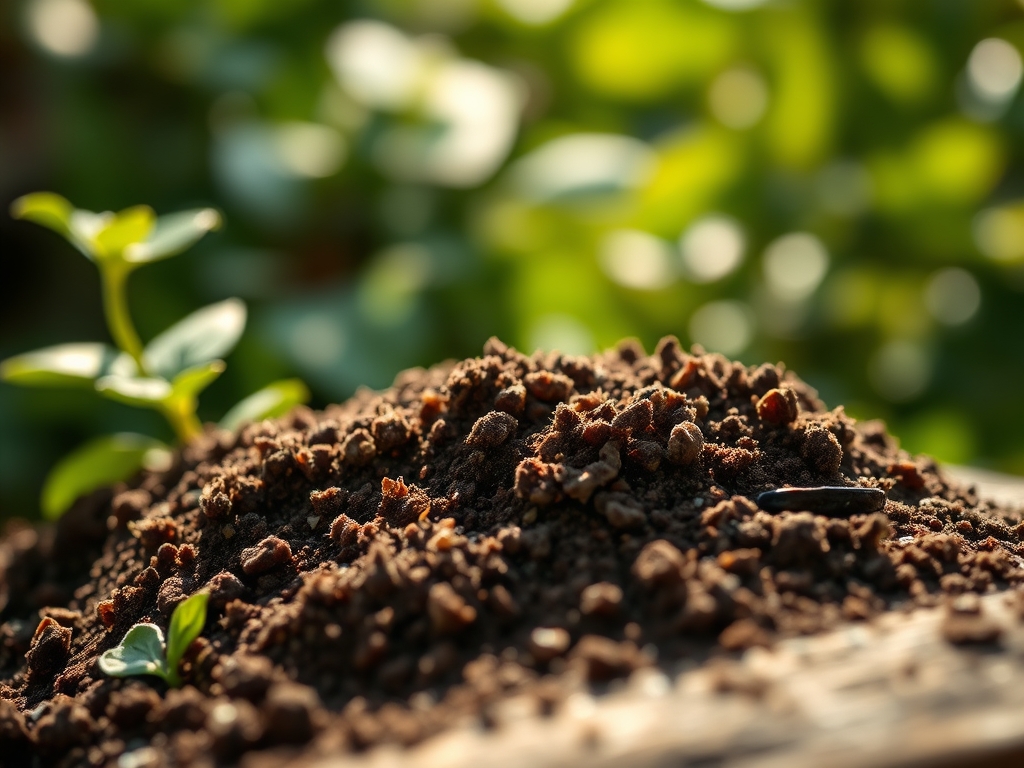
Damp earth carries the scent of geosmin; a compound released by Actinomycetes bacteria as they colonize the rhizosphere. This olfactory marker indicates a living substrate ready for the season. Achieving the necessary turgor pressure in a developing seedling requires more than water; it demands a precise chemical foundation. Selecting the best fertilizers for soil prep is the primary step in managing the Cation Exchange Capacity (CEC) of your garden beds. A high CEC allows the soil to hold onto essential cations like potassium and magnesium, preventing them from leaching during heavy spring rains. Without these foundational nutrients, the plant vascular system fails to transport water to the leaf margins, leading to physiological collapse. Successful cultivation begins in the winter months, analyzing the mineral profile of your loam to determine which amendments will bridge the gap between dormant dirt and a high-functioning biological medium. You are not just feeding plants; you are engineering a subterranean infrastructure capable of supporting rapid cellular division and robust lignification.
Materials:

The ideal substrate is a friable loam with a **pH between 6.2 and 6.8**. This range ensures maximum bioavailability of macronutrients. If your pH drops below 5.5, aluminum toxicity becomes a risk; if it rises above 7.5, iron and manganese become chemically locked and unavailable to the roots.
- Well-Rotted Bovine Manure (0.5-0.5-0.5): This is the gold standard for increasing organic matter. It improves soil structure and provides a slow release of nitrogen.
- Blood Meal (12-0-0): A potent source of organic nitrogen. Use this for heavy feeders in sandy soils where nitrogen leaches quickly.
- Bone Meal (3-15-0): High in phosphorus. Essential for root development and ATP production during early growth stages.
- Sulfate of Potash (0-0-50): Provides concentrated potassium without the high salt index of Muriate of Potash. It regulates osmotic pressure within the plant cells.
- Alfalfa Meal (2-1-2): Contains triacontanol, a natural growth stimulant that increases chlorophyll content and root mass.
- Greensand (0-0-3): A slow-release marine sediment that provides potassium and over 30 trace minerals. It is excellent for breaking up heavy clay.
- Fish Emulsion (5-1-1): A liquid-based amendment for immediate nitrogen uptake. Ideal for correcting early-season chlorosis.
- Pelletized Limestone: Used to raise pH in acidic soils. It provides essential calcium, which strengthens cell walls and prevents apical rot.
Timing:
Timing is dictated by the thermal mass of your soil and your specific Hardiness Zone. In Zones 5 through 7, soil preparation should begin 4 to 6 weeks before the last frost date. Do not work the soil if it is saturated; compressing wet soil destroys the macropores required for oxygen exchange.
The Biological Clock of the plant governs the transition from the vegetative stage to the reproductive stage. Early soil prep focuses on the vegetative phase, where high nitrogen levels drive the production of foliage. As the photoperiod shifts and the plant moves toward flowering, the demand for phosphorus and potassium increases. In Zones 8 and 9, where the growing season is extended, a secondary application of slow-release fertilizers in mid-summer is necessary to maintain nutrient density before the onset of senescence in late autumn.
Phases:

Sowing
When direct-sowing seeds, the soil must be fine-textured to ensure seed-to-soil contact. Incorporate 1 inch of finished compost into the top 3 inches of soil. Avoid high-salt fertilizers during this phase, as they can desiccate emerging radicles.
Pro-Tip: Mycorrhizal fungi inoculation during sowing creates a symbiotic relationship where the fungi extend the root reach by up to 100 times. This symbiosis improves phosphorus uptake and drought resistance through enhanced hydraulic conductivity.
Transplanting
Moving a greenhouse-grown plant into the field causes transplant shock. Dig a hole twice the width of the root ball and mix in 2 tablespoons of bone meal. This localized phosphorus boost encourages rapid root elongation into the surrounding native soil.
Pro-Tip: Auxin suppression occurs when a plant is root-bound. By gently scoring the root ball during transplanting, you break the physical barrier and stimulate the production of new root tips, which resets the plant's hormonal growth signals.
Establishing
Once the plant has produced its third set of true leaves, it is considered established. Apply a balanced 10-10-10 granular fertilizer at a rate of 1 pound per 100 square feet. Water immediately to move the nutrients into the root zone.
Pro-Tip: Phototropism drives the plant to grow toward light. By ensuring even nutrient distribution in the soil, you prevent the plant from leaning or becoming "leggy" as it hunts for patches of fertile ground, allowing it to focus energy on vertical structural integrity.
The Clinic:
Physiological disorders often mimic disease but are usually rooted in nutrient imbalances or environmental stress.
- Symptom: Interveinal Chlorosis. The veins remain green while the rest of the leaf turns yellow.
- Solution: This indicates a Magnesium deficiency.
- Fix-It: Apply 1 tablespoon of Epsom salts dissolved in a gallon of water as a foliar spray.
- Symptom: Blossom End Rot. Dark, leathery sunken spots on the bottom of fruit.
- Solution: This is caused by a Calcium deficiency, often triggered by inconsistent watering.
- Fix-It: Add liquid calcium to the irrigation line and ensure steady moisture levels to facilitate calcium transport.
- Symptom: Purpling of Lower Leaves. Older leaves turn dark purple or reddish.
- Solution: Phosphorus deficiency, common in cold, wet soils where roots cannot absorb nutrients.
- Fix-It: Side-dress with high-phosphorus bat guano and use black plastic mulch to increase soil temperature.
Maintenance:
Precision maintenance prevents the leaching of your hard-earned soil amendments. Use a soil moisture meter to ensure the rhizosphere stays consistently moist but not anaerobic. Most crops require 1.5 inches of water per week, delivered at the drip line to avoid wetting the foliage and inviting fungal pathogens. Use a hori-hori knife to remove deep-rooted perennial weeds that compete for the specific NPK ratios you have established. When pruning for airflow, use sharp bypass pruners to make clean cuts at the branch collar, which allows the plant to compartmentalize the wound quickly.
The Yield:
Harvesting is a race against cellular respiration. For most vegetables and flowers, harvest in the early morning when turgor pressure is at its peak and field heat is at its lowest. Use a sharp blade to minimize tissue damage. Post-harvest, immediately submerge the cut ends in 40-degree Fahrenheit water to "lock in" freshness. This rapid cooling slows down the enzymatic breakdown of sugars and maintains the structural crispness of the cell walls for day-one quality.
FAQ:
How do I know which fertilizer to choose?
Perform a professional soil test to determine your current NPK levels and pH. Choose an amendment that addresses the specific deficiencies identified in the report rather than using a generic "all-purpose" blend.
Can I over-fertilize my soil during prep?
Yes. Excessive nitrogen leads to rapid, weak growth susceptible to environmental stress. High salt indexes in certain fertilizers can also cause "root burn," where the osmotic gradient reverses and pulls water out of the plant.
What is the best way to apply granular fertilizer?
Broadcast the granules evenly over the soil surface and use a rake to incorporate them into the top 2 to 4 inches. Always water the area thoroughly after application to activate the chemical release.
Does organic fertilizer work as fast as synthetic?
No. Organic fertilizers require soil microorganisms to break down complex molecules into plant-available forms. This process is temperature-dependent and generally takes 2 to 6 weeks to show visible results in plant growth.